Honestly, the answer is yes. But here's why.
Menopause changes how your body responds to stimulation. It doesn't end pleasure. But if you've been using the same toys the same way for twenty years, you might suddenly find that what worked brilliantly at thirty-five feels too intense, too numb, or just off at fifty-five. That's not a failure. That's your body telling you something useful.
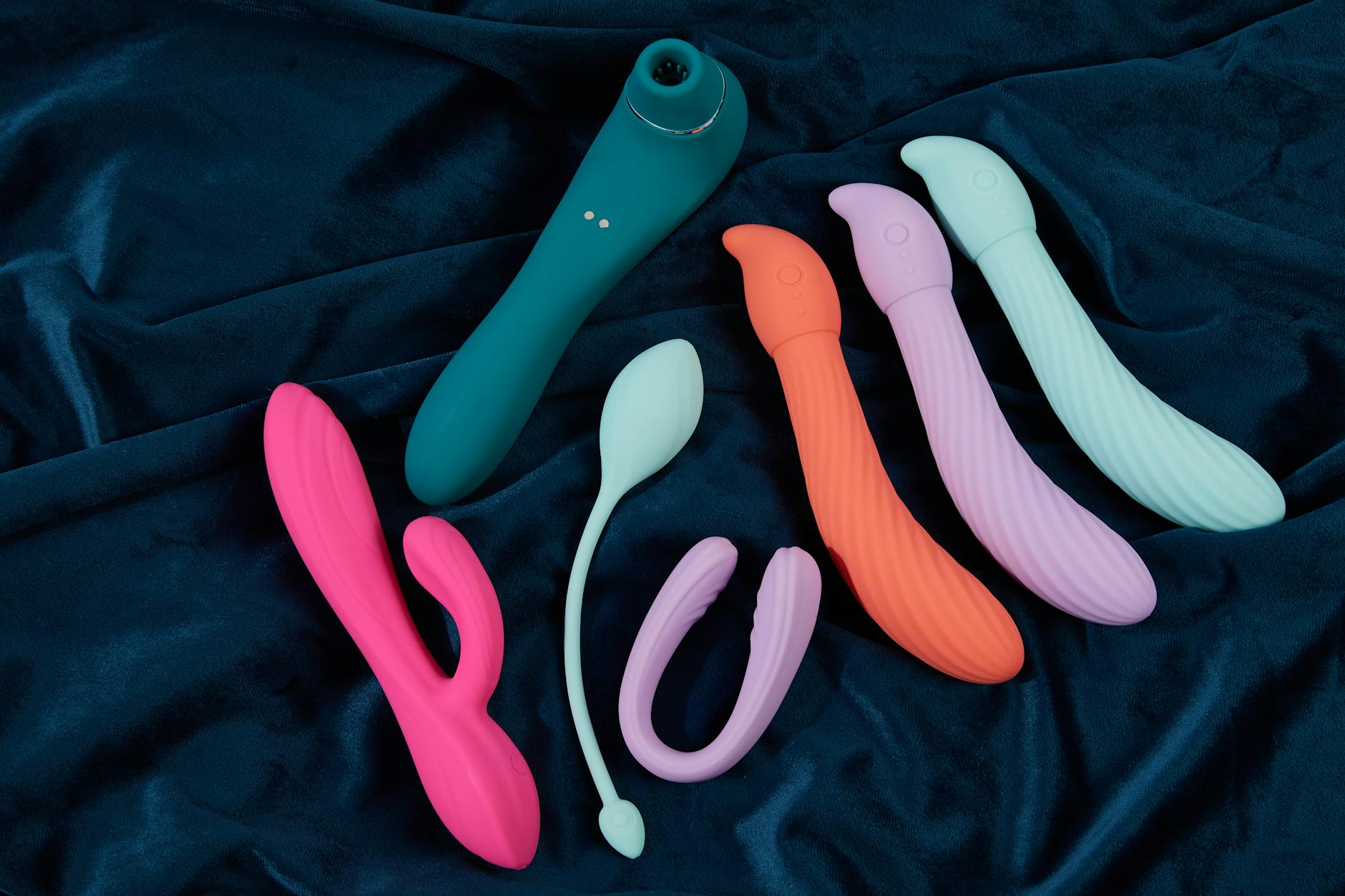
Lemon vibrators—and specifically air-suction clitoral vibrators like the Lem—work differently than traditional buzzing toys. And that difference matters more after menopause than it does before.
What actually shifts in your body
When estrogen drops, the tissue of the vulva and clitoris gets thinner. That's not dramatic language. It's what happens. The tissue has fewer layers, less blood flow at baseline, and it takes longer to plump up with arousal. Your clitoral glans has fewer nerve endings firing signals, but the nerves that remain are still there.
Meanwhile, the pelvic floor loses elasticity. Vaginal lubrication decreases. And sensation doesn't just fade evenly. It reorganizes. Some areas feel duller. Others feel rawer or more sensitive to direct pressure.
Here's what doesn't change: your capacity for pleasure. Your brain. Your desire (though hormonal shifts can affect it). The ability to orgasm, sometimes more intensely than before.
Why lemon vibrators hit differently
There are two main ways toys stimulate the clitoris. The first is mechanical vibration. A toy buzzes at the tissue directly. It works brilliantly for many people, but post-menopause, that direct vibration can feel harsh on tissue that's thinner and more sensitive. Traditional clitoral vibrators often need to be very quiet and very gentle to feel good, which sometimes means they're also less effective.
The second way is suction. Air-pulse technology (like what you get with lemon clitoral vibrators) creates a gentle seal over the clitoris and then releases micro-pulses of air. It feels like someone's mouth. It stimulates differently. It doesn't rely on tissue being thick or responsive to direct friction. Instead, it pulls blood into the area and stimulates the nerve network in and around the clitoris without the same surface friction.
That means post-menopause, a lemon sucker can feel better than a traditional vibrator, even at a higher intensity setting, because the mechanism of stimulation is gentler on the tissue while still being highly effective.
The timeline of how this plays out
Early post-menopause (first 2-3 years), the shift is usually noticeable but not devastating. You might notice that you need a bit more warm-up time. Direct vibration might feel slightly sharper. Lubrication takes longer to build.
Mid-menopause (3-8 years in), the changes are often more pronounced. This is when many people find that toys they loved suddenly feel wrong. This is also when a switch to air-suction or a return to exploration often feels genuinely freeing. You're not broken. You're just matching your tool to your current body.
Longer post-menopause (8+ years), some people find that sensation stabilizes at a new baseline. Others find they continue to evolve. Either way, the initial shock period passes, and you learn what works now.

Photo by Olga Lioncat on Pexels
The pleasure actually often improves
I know that sounds counterintuitive. But here's what I've heard from countless clients: post-menopause, orgasms are often different. Sometimes deeper. Sometimes more localized. Sometimes longer. Almost never "worse," once they adjust their approach.
Part of this is neurological. The brain has decades of data about what feels good. Part of it is physiological. Without the cyclical hormonal swing, some people experience more consistent baseline arousal. Part of it is psychological. The end of fertility brings a release from reproductive pressure that allows real pleasure to move to the center.
A lemon vibrator helps because it doesn't require you to fight your body's new biology. It works with it.
What to actually do if you're shifting to a lemon vibrator
First, start low. If you've been using intense vibration, the sensation from air-pulse feels totally different. What feels gentle at first might build surprisingly fast. Pattern 1 or 2 on most lemon clitoral vibrators is a good entry point.
Second, invest in good lubricant. Post-menopause, external lubrication isn't optional. Water-based is your friend because it's compatible with all materials and washes away cleanly. You're not replacing what your body isn't making. You're giving your tissue a better environment to respond.
Third, give yourself time. Five to ten minutes of warm-up isn't laziness. It's basic anatomy. Your tissue needs that time to plump up and your nervous system needs that time to register arousal. This isn't a speed race.
Fourth, explore positions and angles. Post-menopause, direct head-on stimulation sometimes feels intense. Angle, indirect approach, or varying the angle of the toy can be transformative.
The relationship question that nobody talks about
If you're with a partner, they're also navigating this shift. Sometimes a partner feels hurt or confused when familiar patterns stop working. That's worth naming directly. "My body is responding differently" is not criticism of them. It's information that allows both of you to adjust. This is actually when couples often discover a second sexual awakening, but only if they're willing to have the conversation.
If you're solo, menopause can be the moment you finally prioritize your own pleasure without any competing agenda. Many people tell me that's when their best orgasms happen.
When to get help from a doctor
If there's pain, see someone. Not "discomfort." Pain. Genitourinary syndrome of menopause (GSM) is treatable. Topical estrogen, ospemifene, or other solutions work. A menopause-aware clinician can help in weeks.
If desire has flatlined, it might be hormonal (low testosterone is addressable), it might be relationship stuff, it might be depression or medication. Any of those is worth exploring with a professional. Pleasure returning is possible. You don't have to accept that as a permanent loss.
The reality check
Lemon vibrators don't magically fix menopause. But they do solve a real mismatch that happens when your body changes and your tools don't. Air-suction technology was literally designed to feel good on delicate tissue. Post-menopausal bodies have delicate tissue. The logic is sound.
What actually makes the difference is being willing to adapt. Trying something new. Letting go of what worked before and being curious about what works now. That's the real shift.