How to Use a Lemon Vibrator When You're Returning to Pleasure After Years Apart
If you haven't touched your own body intentionally in years, the idea of starting again can feel overwhelming. Maybe life got in the way. Maybe shame or past experiences shut things down. Maybe you've been so focused on survival mode that pleasure wasn't even on the map. Whatever brought you here, the fact that you're thinking about reconnecting with your body matters. And a lemon vibrator, designed specifically for sensitive, patient exploration, might be the exact tool that makes it feel possible.
Let's talk about what actually happens when you step back into pleasure after a long gap, and how to do it without the guilt, the pressure, or the expectation that everything should work the way it used to.
The body doesn't forget. It just needs reminding.
Here's something nobody tells you: your nervous system has muscle memory for pleasure. Even if it's been years, the neural pathways that wire you for sensation are still there. They're just dormant. Think of it less like starting from zero and more like waking something up that's been asleep. Your vulva still has all the same nerve endings. Your brain still knows how to register pleasure. You haven't broken anything.
What has probably happened is that your mind and body have learned to disconnect from sensation as a survival mechanism. That was smart and necessary at the time. Now, if you want to reconnect, you're not fixing something broken. You're gently coaching your nervous system back into trust.
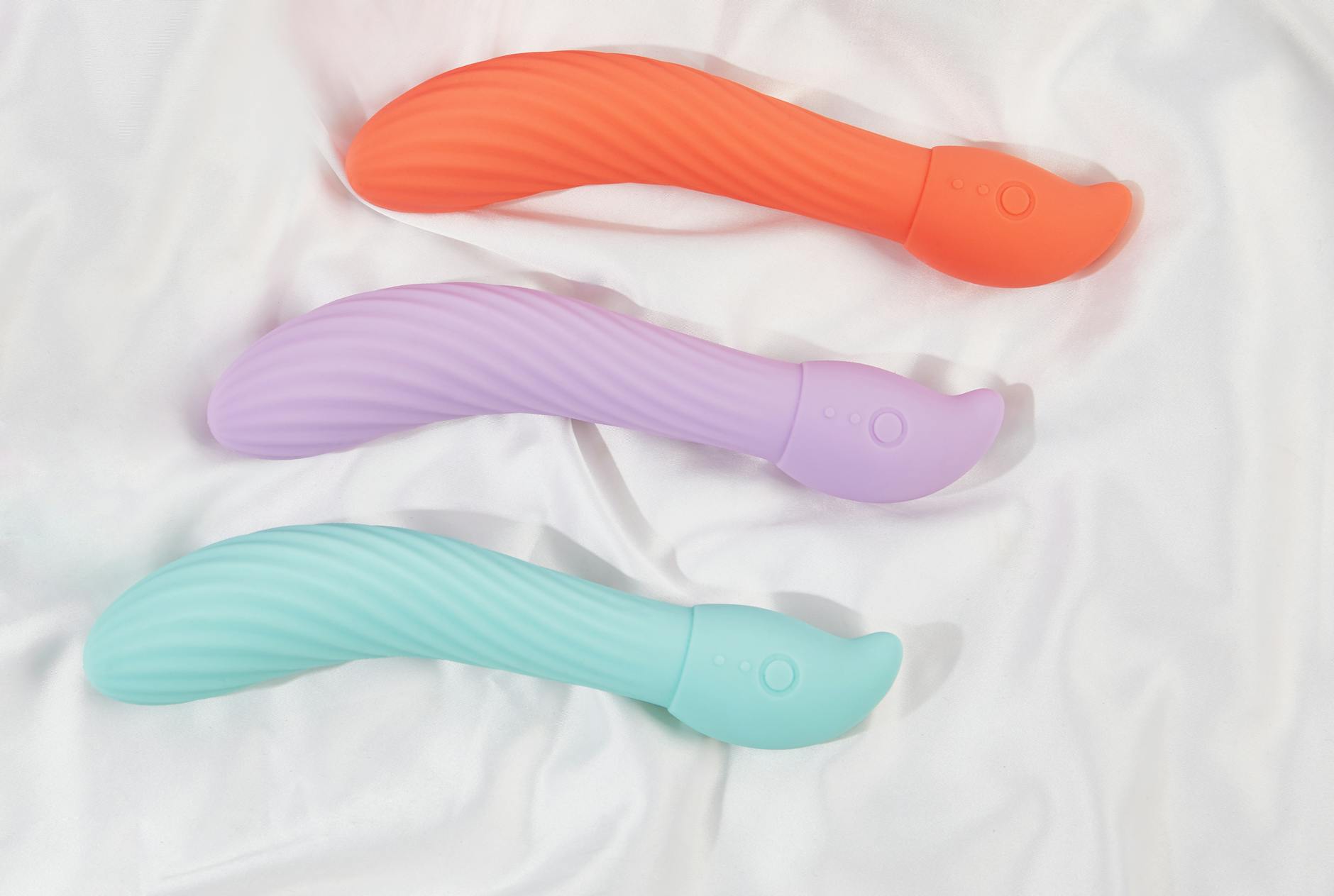
This is where the design of a lemon vibrator actually matters. Unlike traditional vibrators, which demand immediate, intense stimulation, lemon clitoral vibrators use gentle suction and pulse patterns that feel less invasive and more inviting. They work with your body's natural arousal pace instead of forcing it. For someone coming back after a long time away, that difference is everything.
Start with zero expectations about what should happen
The biggest mistake I see people make is deciding in advance what pleasure should feel like, how long it should take, or what the endpoint should be. They bring a checklist. "I should have an orgasm. It should take 10 minutes. I should feel turned on immediately." Then nothing matches the list, and they feel like they've failed.
Instead, go in with curiosity instead of goals. You're not trying to prove anything to yourself or anyone else. You're investigating. What does this feel like against my skin right now? Is it pleasant or too much? Do I want to keep going or pause? These micro-questions replace the pressure of performance.
With a Hello Nancy lemon vibrator, you have the luxury of time. The gentler settings mean you can stay in the exploration phase as long as you need. You're not fighting against overstimulation. That removes the urgency and lets your body relax into discovery.
Practical setup: creating conditions where your body feels safe
Your nervous system needs three things to engage with pleasure after a gap: privacy, time, and zero judgment. Make those non-negotiable.
Privacy is physiological. Even if you rationally know no one's watching, your amygdala doesn't believe it until your environment proves it. Lock the door. Put your phone in another room. Tell your household you need uninterrupted time. This signals to your nervous system that it's actually safe to open up.
Time is permission. Don't give yourself 10 minutes between other tasks. Schedule at least 30-45 minutes, with no agenda. The first 20 minutes might just be you getting comfortable with the idea of touching yourself. That's not wasted time. That's exactly what needs to happen.
Judgment is the real blocker. If you're narrating yourself as you go ("This is weird, nobody does this, why am I doing this"), your parasympathetic nervous system shuts down. Your body can't relax into pleasure while your brain is in a commentary loop. Redirect those thoughts gently: "I'm taking care of myself. This is allowed. My pleasure matters." You don't have to believe it fully yet. Just don't fight it.
How to hold and use a lemon vibrator for reawakening
Unlike traditional vibrators that go inside or require direct pressure, a lemon clitoral vibrator sits against your vulva and uses suction or gentle pulsation. This matters when you're coming back to sensation because it's less invasive and more forgiving.
Start clothed. Seriously. Hold the lemon vibrator against your vulva over your underwear or pants. See how it feels through fabric first. This is the safety step that people skip and then wonder why they feel triggered. Give your nervous system a chance to recognize "oh, this is okay" before removing barriers.
After a few minutes (or more, whatever feels right), move to skin. Now you can slide it inside your underwear or remove them entirely. The goal here is not arousal yet. It's simply noticing sensation. Some people describe it as a gentle buzzing. Others say it feels like a soft hum. There's no "right" way it should feel.
Vary the position. The clitoral glans (the visible part) is most sensitive. Some people prefer the vibe lower, around the clitoral hood. Some prefer it to the side. You're mapping your own body's geography. This is information gathering, not performance.
Use the lowest setting first. Every lemon vibrator has multiple intensities. Start at pattern one or two. Your tissues haven't felt sustained stimulation in years, and too much too fast is overwhelming. Low intensity feels more like massage. Higher intensity is more like a focused thrum. Neither is better. But low lets you stay in your body longer without needing to stop.
What to do if it doesn't feel good (yet)
This is the conversation nobody has clearly: sometimes reconnecting to pleasure feels weird, not nice. You might feel numb, or like you're observing yourself from outside your body, or like you're pushing rather than enjoying. This is not failure. This is your nervous system saying, "I'm not ready for this intensity."
If you feel numb, turn the vibrator off and just hold it against your body. Breathe. Notice your skin. Sometimes sensation has to be restored in smaller increments before vibration feels right. Come back tomorrow.
If you're dissociating (watching yourself from outside your body), stop. That's your nervous system protecting you. Grounding techniques help. Feel your feet on the floor. Name five things you can see in the room. Your body isn't broken. It's just asking for gentler reentry.
If you feel like you're performing instead of feeling, pause and ask: what would actually feel good right now? Maybe it's not a vibrator. Maybe it's just touching your own skin with your hand. Maybe it's lying in bed and thinking about something that made you feel alive. Pleasure has a thousand shapes. A lemon vibrator is one tool, not the only one.
Reconnection takes patience. That's the whole point.
Some people feel pleasure returning in one session. Others take weeks to feel anything at all, then suddenly something shifts. Both timelines are normal. Neither is better. What matters is that you're giving your nervous system the safety to explore at its own pace.
One thing I've noticed after years of working with people rebuilding intimacy: once your body remembers that pleasure is safe and yours to have, that memory stays. You're not starting from zero every time. You're building a neural pathway that gets stronger with repetition. A lemon vibrator, with its gentle design and multiple settings, is designed to support exactly this kind of slow, sustainable reawakening.
FAQ: Common questions about returning to pleasure with a lemon vibrator
Is it normal to feel nothing the first time I use a lemon vibrator?
Completely. If you've been disconnected from your body for years, sensation can take time to register. Your nervous system is cautious. It's protecting you. Keep using it (if it feels okay) at low settings for short sessions. Sensation often returns gradually over days or weeks, not immediately.
Can I use a lemon vibrator if I have trauma around touch?
You can, but you need to move slowly and stop anytime something feels wrong. Having full control over the situation (you turn it on, you turn it off, you decide where and how) is empowering. But if touch itself triggers you, working with a trauma-informed therapist alongside physical reawakening helps. There's no shame in needing professional support.
What if I use it and feel ashamed afterward?
Shame is a learned response, not a fact about pleasure. Notice it without judgment. That feeling came from somewhere in your past, probably not from the experience itself. Write down what triggered the shame. Talk to a friend or therapist about where that voice came from. Your body deserves permission. That permission might take practice to believe, but it's real.
How often should I use a lemon vibrator while reconnecting?
Start with once or twice a week for 15-30 minutes. This gives your nervous system time to process between sessions. As you feel more comfortable, frequency might increase naturally. But there's no minimum or maximum. Quality and safety matter far more than frequency.
Should I try to orgasm or just explore?
Explore first. Orgasm as a goal adds pressure right when you need freedom most. As you reconnect with sensation over weeks, orgasm often returns on its own. If it doesn't, that's worth discussing with a healthcare provider. But the goal of early reconnection is not climax. It's safety and sensation.
Can a partner help with my reconnection?
Only if they understand that this is your journey and your timeline. A partner's role is support, not participation. That means they respect your privacy, don't ask for details, and don't have expectations about what happens. If you want to share information later, you can. But early reconnection with yourself needs to be yours alone.
If you're ready to rebuild your relationship with pleasure, that readiness itself matters more than any tool or technique. A lemon vibrator is designed to make that journey gentler, with less pressure and more patience. But the real work is the permission you give yourself. Your body knows how to feel good. You're just reminding it. Take your time.