Let's talk about the gap between healing and feeling whole again
Your body is technically recovered. The timeline says you're cleared. But sensation feels muted, orgasms feel distant, and the intensity you remember isn't coming back the way you expected. This isn't failure. This is the middle ground nobody warns you about, where your body is healed but your pleasure circuitry is still rebooting.
Here's what I see most often: people push too hard too fast, expecting orgasms to snap back to pre-recovery intensity. When that doesn't happen, they assume something is broken. It isn't. Your nervous system needs deliberate rebuilding, not willpower.
Why recovery mutes sensation in the first place
Physical recovery, whether from surgery, childbirth, illness, or injury, interrupts the neural pathways that signal pleasure. Your brain hasn't forgotten how to experience orgasms. But the connection between stimulation and response gets temporarily quieter. This is protective. Your body was focused on healing, not sensation.
The second part nobody mentions: anxiety about whether you'll get back to normal actually delays the process. Your nervous system reads that worry as a threat signal, which keeps the brakes on. You're trying to accelerate while still partially in protection mode.
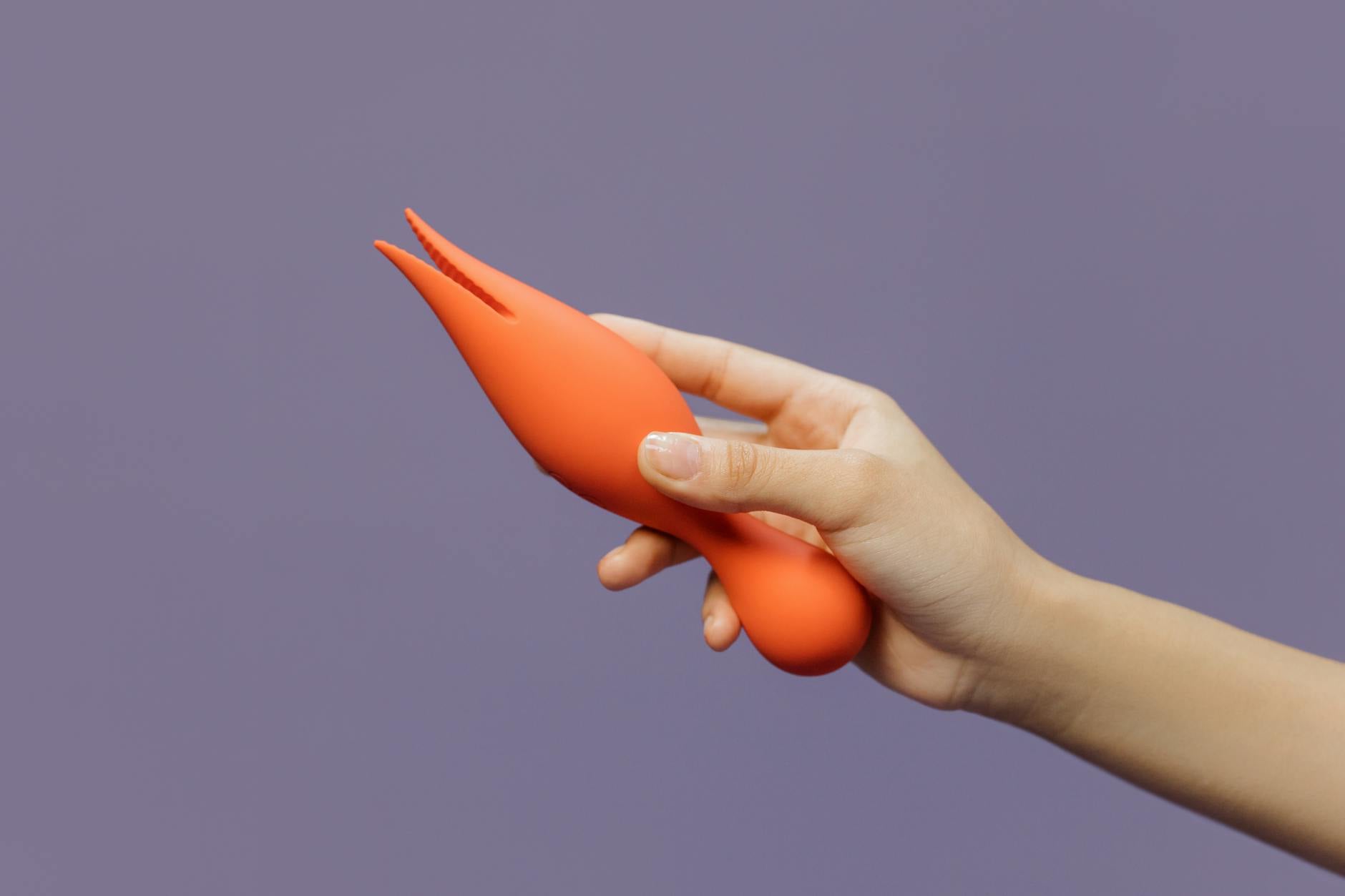
A lemon clitoral vibrator helps because it bypasses some of this equation. Instead of relying on your body to generate sensation, the device provides consistent, accessible input. For a nervous system in recovery, that external consistency is often exactly what helps it remember how to respond.
The reset protocol for rebuilding orgasms
Don't start where you left off. Start somewhere easier.
Week one: sensation without pressure. Use your lemon vibrator on its lowest setting, 10-15 minutes, solo. You're not trying to orgasm. You're reintroducing your body to pleasure without the weight of expectation. This sounds basic. It works because you're teaching your nervous system that touch equals safety again, not performance.
Week two: location mapping. Move the vibrator slowly across the entire vulva, not just the clitoral tip. Notice where sensation feels strongest. Most people discover that the intensity is actually concentrated in different spots than they remembered. Your body has changed slightly. Meeting it where it actually is, not where it used to be, accelerates everything.
Week three: pattern exploration. Once you've identified your current pleasure zones, try different patterns on your lemon clitoral vibrator. The suction-based approach of devices like the Lem works especially well for recovery because the stimulation is diffused rather than pinpoint. Less intensity, more spread. Your nervous system finds this less overwhelming.
Week four and beyond: tempo building. Now you can gradually increase intensity or duration. By this point, your body usually gives you clear feedback about what feels good. Honour that, not the intensity you remember.
Why lemon clitoral vibrators accelerate recovery specifically
The design matters. Air-suction based lemon sexual toys create a unique pressure pattern that stimulates the entire clitoral complex, not just the tip. This matters for recovery because it's harder to numb out to. Your body can't dissociate from the sensation the way it sometimes does with traditional vibration.
For someone rebuilding sensitivity, that's an advantage. You get consistent, reliable feedback. The vibrator tells your nervous system that sensation is present, safe, and accessible. Over time, this rebuilds confidence faster than waiting for sensation to return on its own.
Lemon adult toys also let you control intensity in smaller increments than most alternatives. If you're working with a partner during recovery, this means they can help you dial in exactly what you need without the intensity overshooting.
The emotional side of slow orgasm recovery
Physical recovery often arrives alongside grief, frustration, or fear that you're not normal anymore. Those feelings aren't separate from your pleasure response. They're connected to it.
If you're in a relationship, the temptation is to pretend everything is fine. "I can orgasm, so I can pretend I'm fine." But faking it while you're in recovery mode actually deepens the nervous system's protective response. Your body knows you're lying. It stays on guard.
What helps: talking directly about the gap. "My body feels different right now. I'm learning it again. I might need more time or a different approach." That honesty gives your nervous system permission to experiment without surveillance.
Using a lemon vibrator solo first helps because you get to rebuild your own confidence before reintroducing a partner into the equation. You learn what works for your recovered body specifically. Then you bring that knowledge into partnered touch.
Three practical adjustments that make the biggest difference
First, budget time like it's a practice, not a spontaneous event. Recovery doesn't return to spontaneity quickly. Knowing you have 30 minutes scheduled for pleasure allows your nervous system to actually settle into it. Surprise or rushed orgasms often fail during recovery because your body doesn't have time to downshift into pleasure mode.
Second, use lubrication even if you're fully aroused. Recovery often comes with tissue changes. Water-based lube isn't a sign of failure. It's a tool that removes one unnecessary friction point so your nervous system can focus on sensation instead of managing physical discomfort.
Third, let orgasms be weird. Your first post-recovery orgasms might feel different. Shorter. Stranger. Less full-body. That's not permanent. That's your nervous system relearning. Give it three to six weeks before deciding anything is wrong.
When to pause and reassess
If stimulation causes pain, not just awkwardness, check with your healthcare provider. Real pain is different from mild discomfort. Pain means something needs attention.
If you're four weeks into this protocol and sensation still feels completely muted, that's also worth flagging. Sometimes recovery includes other factors like hormone levels, medication interactions, or nerve healing that need clinical input.
Most of the time, though, slow recovery just needs patience and the right tools. A lemon clitoral vibrator, used consistently and without performance pressure, often reboots sensitivity faster than waiting alone.
The common question nobody asks: what if I never get back to the same intensity?
Honestly, you might not. And that might actually be fine.
I've worked with plenty of people whose orgasms post-recovery are different but equally satisfying. Sometimes they're more localized. Sometimes they take longer to build. Sometimes they feel subtly different in your whole body. Different doesn't mean worse.
The goal isn't to return to exactly how it was. The goal is to rebuild a functional, pleasurable relationship with your own body as it is now. Your lemon vibrator helps with that because it meets you where you actually are, not where you think you should be.
People also ask
How long does it typically take for sensation to return after physical recovery?
Three to eight weeks is common, though it varies wildly based on what you're recovering from. Surgery, childbirth, illness, and injury all have different recovery timelines. The key is not to measure yourself against someone else's timeline. Your nervous system has its own schedule.
Can I use a lemon vibrator immediately after my doctor clears me for sexual activity?
Your doctor clears you when tissues are healed enough not to tear. That's different from sensation being fully online. Most people benefit from a two to three week adjustment period using gentle, external stimulation before introducing vibration. Start with your hands first, then introduce the vibrator on low settings.
Why do orgasms feel numb even though I'm physically aroused?
Arousal lives in your brain and genitals. Orgasm lives deeper, in your nervous system. Physical recovery can separate these two. You can be mentally turned on and physically aroused without your nervous system being ready for climax. That's temporary. Consistent, pressure-free stimulation helps reconnect them.
Is it normal to need a different type of vibrator after recovery?
Completely normal. Your body has changed. What worked before might not work now. Some people find they need less intensity post-recovery. Others need more focused stimulation. A lemon sexual toy's adjustable intensity and suction pattern makes it easy to dial in what your specific body needs right now.
Should I tell my partner about the slow return to intensity?
Yes. Hiding it creates pressure, which delays everything. Direct conversation like "My body is still rebooting. I need more time and gentleness" actually speeds recovery because your nervous system isn't managing shame on top of everything else. Partners usually appreciate knowing how to help.
What if orgasms feel different and I don't like the difference?
Give it eight weeks before deciding. Most of the time, your nervous system is just recalibrating. The difference feels strange first. Familiar later. If it genuinely hasn't improved by week eight, that's worth exploring with a healthcare provider. Sometimes medication adjustments, hormone levels, or other factors need attention.
The real timeline for slow recovery
Your body is already healed. What's rebuilding is your nervous system's confidence in pleasure again. That takes consistency, patience, and permission to be slow. A lemon clitoral vibrator, used with the right expectations, usually accelerates this process by three to four weeks compared to waiting passively.
You will get back to orgasms. They might not look identical to before, and honestly, that's okay. Sometimes recovery teaches you something about your own body you didn't know before. Your lemon vibrator is just a tool to help you listen to what your body actually wants now.