Here's the thing about hormonal birth control and pleasure
Hormonal birth control changes your brain chemistry, your blood flow, and your desire. It does not ruin sex. But it absolutely shifts it, and most people never get a straight answer about what's actually happening beneath the surface.
You start the pill or the shot or the patch expecting zero side effects. Then arousal gets slower, orgasms feel different, or your partner notices you're less interested. And you're left wondering: Is this me? Is it the hormones? Is my relationship broken?
None of those things. It's the birth control doing exactly what it's supposed to do. The good news is that understanding the mechanism changes everything. You're not broken. Your body's just speaking a different language now.
What hormonal birth control actually does to desire and sensation
Hormonal contraceptives suppress ovulation by lowering estrogen and adding synthetic progestin. This shift ripples through your entire sexual response system in ways that feel quiet but are deeply real.
Testosterone drops. Yes, people with ovaries produce testosterone. It's a major driver of desire and arousal speed. Hormonal birth control tanks it, sometimes by up to 30 percent. That's not a side effect anyone talks about at the clinic, but it's why your libido might feel flatter, why you're not thinking about sex as much, or why getting turned on takes longer.
Blood flow to the genitals changes too. Less blood flow means less engorgement during arousal, which can make pleasure feel muted or take longer to build. The clitoris literally has less blood rushing to it, which is why some people describe orgasms as shallower or less intense on hormonal birth control.
But here's what stays the same: your capacity for pleasure. Your nerve endings. Your brain's ability to orgasm. The desire is still there. It's just wearing different clothes.
Why arousal takes longer when you're on hormonal birth control
Your partner used to touch you and desire would spike in minutes. Now it feels like it takes forever. You're not losing attraction. Your body's just operating on a different timeline.
This happens because hormonal birth control lowers baseline dopamine and reduces the spike that normally happens with sexual touch. That spike is what creates urgency. Without it, arousal builds more slowly, more gently, more requiring intention.
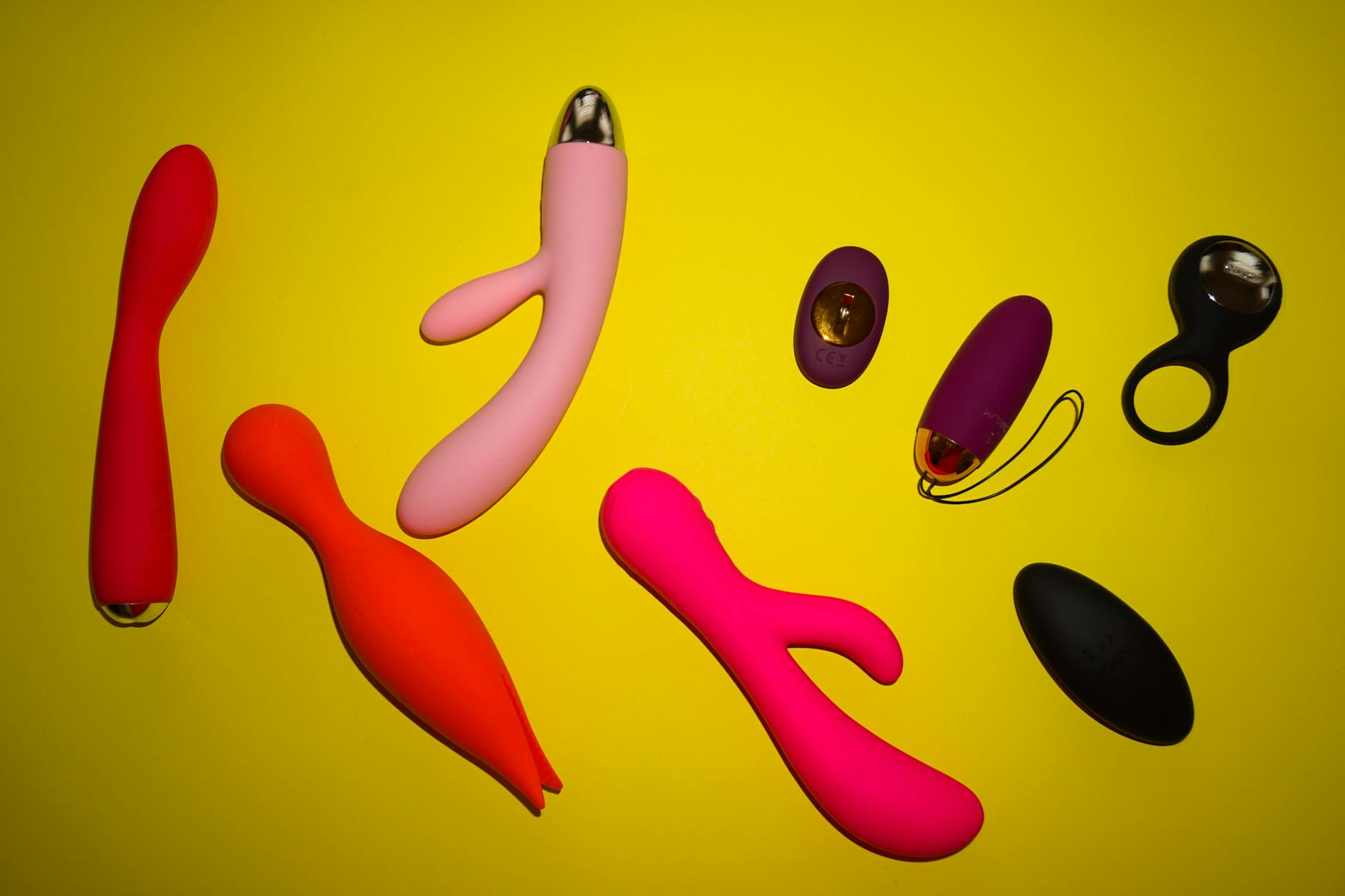
The solution is not to force the old timeline. It's to budget for a longer warm-up. Lemon vibrators work beautifully here because they kickstart sensation without requiring the same level of manual stimulation. Air-suction technology gives you focused, consistent input that can bootstrap arousal even when your hormones aren't cooperating. Many people find that starting with external clitoral stimulation from a lemon vibrator actually speeds up the entire arousal process, because you're giving your body a clear sensory signal that pleasure time is happening now.
Sensation changes and why clitoral vibrators matter more
Some people on hormonal birth control report that their clitoris feels less sensitive. Others say orgasms feel less intense. A few describe a kind of numbness or distance, like they're watching pleasure happen rather than feeling it directly.
This is real and physiological, not psychological. Lower estrogen means thinner genital tissue. Less blood flow means less engorgement, which is part of how sensation works. Your nervous system is intact. Your ability to feel is intact. The signal is just a little quieter.
Here's why lemon vibrators are so valuable in this context. The suction pattern creates a different kind of stimulation than fingers or traditional vibrators. It's not just vibration. It's rhythmic pressure that engages more nerve endings and creates intensity without requiring you to have super-sensitive tissue. People frequently report that when they switch from trying to get off manually to using a clitoral vibrator, sensation snaps back into focus almost immediately.
I recommend starting at the lowest intensity setting and building from there. Your tissue isn't damaged. Your nerves are just quieter than they were before the birth control started. Gentle, consistent stimulation often wakes them up faster than aggressive pressure.
The emotional piece nobody talks about
Hormonal birth control changes desire, and that shift can feel personal. Your partner interprets it as rejection. You interpret it as a sign something's wrong with you. You both end up in separate corners feeling abandoned.
But here's what's actually happening: you're less impulsively interested in sex, but you're equally capable of having amazing sex once you're engaged. That's a real difference. One requires external initiation. One requires you to start the engine yourself.
If you're with a partner, this is a conversation worth having directly. "I'm on birth control and my arousal works differently now" is data. "I don't want sex as much and that probably means you're not as attractive to me" is a story. They're not the same thing.
Many couples find that introducing clitoral vibrators into partnered sex actually solves this. You get more engaged faster, your pleasure builds more visibly, and your partner gets to feel connected to your arousal. It stops being something that happens to you privately and becomes something you're both part of.
Practical adjustments for using a lemon vibrator on hormonal birth control
Four shifts that make real difference.
Start lower and work up. Tissue changes mean your tolerance for intensity is different. Pattern 1 or 2 on a lemon vibrator is where I'd start, not pattern 4. Your body will tell you what it wants. Listen to that, not to what you wanted before.
Add longer foreplay. Budget 20 to 30 minutes of warmup instead of 10. That sounds like a drag until you realize it gives your arousal time to build naturally and makes orgasm feel more complete. Use a clitoral vibrator for part of that and manual touch for part. Rhythm changes keep sensation fresh.
Use lubricant even if you don't think you need it. Thinner tissue benefits from extra glide, even if lubrication isn't your main problem. Water-based lube with a lemon vibrator keeps sensation smooth and prevents any micro-friction that might feel uncomfortable.
Track your cycle if you're on a birth control with a placebo week. Some people find that those hormone-low days shift sensation again. If that's you, it's worth noting when you feel most responsive to a clitoral vibrator and scheduling solo or partnered sex accordingly.
When sensation doesn't come back
If you've been on hormonal birth control for months and sensation still feels muted or distant even with the lemon vibrator and all these adjustments, that's worth discussing with your doctor or gynecologist.
Some people's bodies truly don't like a particular birth control method. That's not a character flaw. That's just data about what works for your specific neurology and hormones. You have options. Switching methods, trying a lower-dose pill, or switching to a non-hormonal method can completely change how your body responds.
I've had clients who felt numb for years, switched birth control methods, and felt like they got their sexuality back within weeks. That's not an overstatement. It's the baseline hormonal environment shifting that dramatically.
Better than before is actually possible
Here's what I notice clinically: people often assume that sex on hormonal birth control should feel the same as before. So when it doesn't, they assume it's broken. But actually, you can build something different that's equally satisfying.
Your arousal is slower. That means when you finally orgasm, you might orgasm harder because you've spent more time building. Your desire is quieter. That means when you do have sex, it's more intentional and more present. Your sensation is different. That means when you use a lemon clitoral vibrator, you're discovering what pleasure actually feels like with your current body.
That's not downgrade. That's different. And different can be better if you stop comparing it to what came before.
Frequently asked questions
How long does it take for pleasure and arousal to adjust after starting hormonal birth control?
Most people notice shifts within the first two to three months. The adjustment can take up to six months for your nervous system to fully recalibrate. If you're still experiencing numbness or complete loss of desire after six months, it's worth checking in with your provider about whether this particular method is right for your body.
Does switching to a different type of birth control fix sensation problems?
Often yes, but not always. Different hormonal methods have different dosages and progestins. Switching from a combined pill to a mini-pill or to a copper IUD (which is non-hormonal) can completely change how your body responds. It's worth experimenting if one method isn't working.
Can a lemon clitoral vibrator help me orgasm faster on birth control?
Absolutely. Clitoral vibrators like the lemon sucker can help your body get to orgasm faster by providing consistent, intense stimulation that works even when your baseline arousal is lower. Many people find they can orgasm on a vibrator in minutes, even when manual stimulation would take much longer.
Is it normal for orgasms to feel less intense on hormonal birth control?
Yes. Lower blood flow, less tissue engorgement, and lower testosterone all contribute to orgasms that feel shallower or less intense. This doesn't mean you're losing the ability to orgasm. It means the orgasm itself might have a different quality. Some people describe it as more focused. Others find it underwhelming until they discover what works best for their current body.
Should I stop taking birth control if it's affecting my pleasure?
That's a decision between you and your doctor. Hormonal birth control is often the best option for contraception, managing painful periods, or controlling other health conditions. The pleasure shift is real, but it's not always a reason to stop. Instead, it's usually a reason to experiment with tools like lemon vibrators and have honest conversations with your partner about adjusting your sexual rhythm.
How do I know if sensation changes are from birth control or something else?
Timing is your biggest clue. If sensation shifted within a few months of starting hormonal birth control, birth control is probably the culprit. If sensation was fine for a year and then shifted, something else might be happening. Either way, tracking when you notice the change and mentioning it to your doctor gives you real data to work with.
The bottom line
Hormonal birth control changes desire, sensation, and arousal speed. It doesn't end pleasure. You're not broken and neither is your relationship. You're just operating with different neurochemistry, which means you get to redesign what works. Budget for longer foreplay. Use lemon vibrators to bootstrap sensation. Have honest conversations with your partner about the new timeline. And remember that different doesn't mean worse. It means you get to discover what pleasure actually feels like now.