
When pain and pleasure collide
Let's be real. Pain during sex kills the mood faster than anything else. Whether it's sharp, dull, localized, or that confusing ache that only shows up sometimes, pain makes intimacy feel risky instead of rewarding. Most people respond by stepping back from sex entirely, which then creates a second problem: the longer you avoid it, the more anxiety builds around trying again.
Here's the thing though. Pain during sex doesn't mean you're broken, and it doesn't mean you need to choose between physical pleasure and physical comfort. What it means is you need tools that respect your body's current limits while you figure out what's causing the pain and how to address it.
Why pain changes the intimacy equation
Pain during intercourse (dyspareunia) has about fifteen different potential causes. Pelvic floor tension, endometriosis, vaginal atrophy, scar tissue from childbirth or surgery, infections, hormonal shifts, anxiety about previous pain. The list is long. What matters right now is that none of these conditions mean you can't experience pleasure. They just mean the usual paths to pleasure might feel unsafe.
This is where clitoral vibrators like lemon vibrators become quietly powerful. They bypass the painful parts entirely and focus stimulation where most people can feel it without discomfort. The Lem and other lemon clitoral vibrators use gentle suction rather than direct vibration, which means less tissue trauma, no penetration required, and pleasure that comes from a completely different mechanism than intercourse.
The nervous system reset
When pain has happened during sex, your nervous system learns to brace for it. You tense your pelvic floor. You hold your breath. You stay mentally checked out as a kind of self-protection. This tensioning actually makes penetration more painful, so the cycle gets worse.
Clitoral-only pleasure breaks that cycle because it has nothing to do with penetration. Your brain doesn't associate it with the previous pain. Your pelvic floor doesn't automatically clench. You're literally rewiring the neural pathway between arousal and safety.
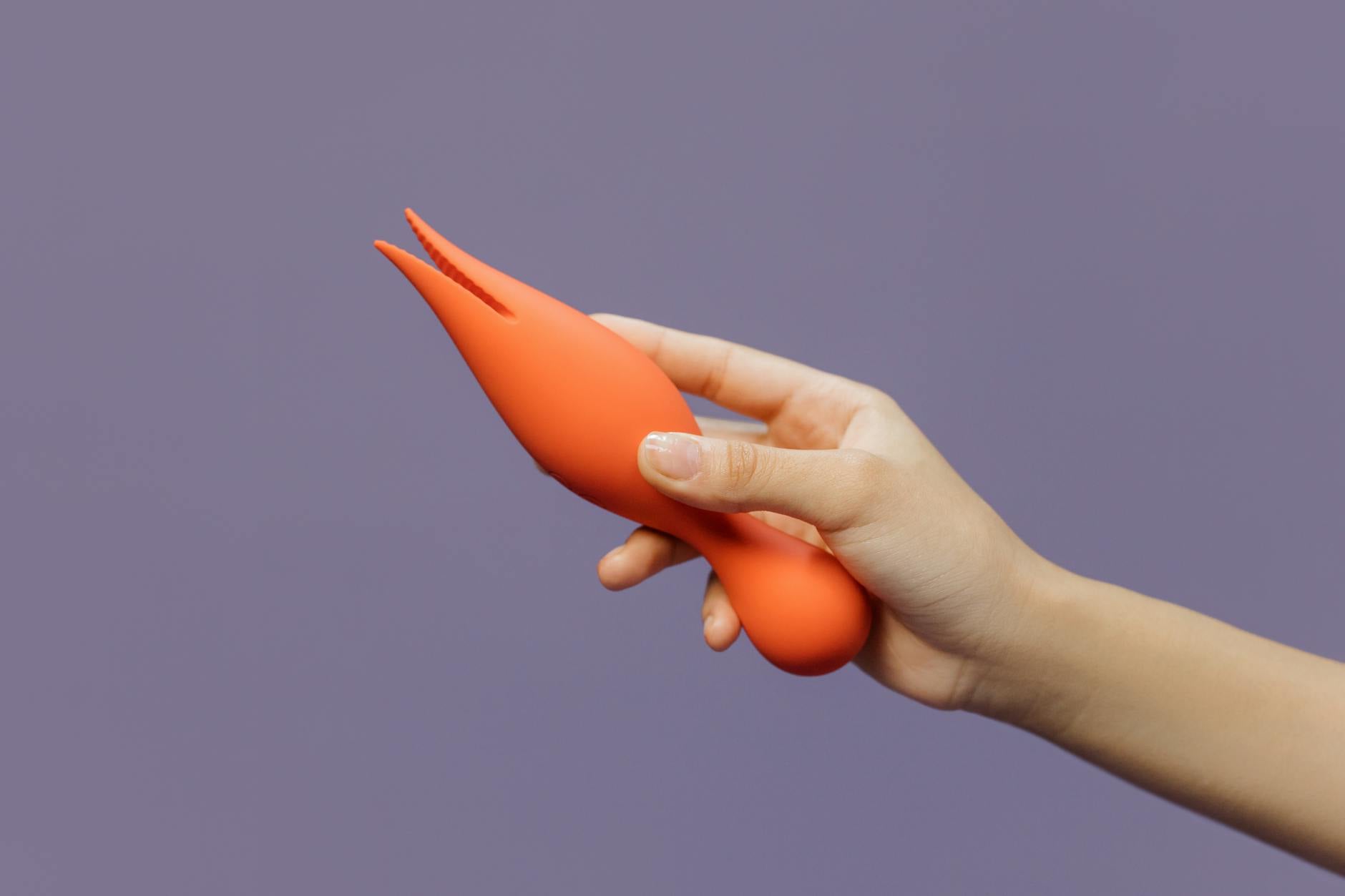
Photo by cottonbro studio on Pexels
I've worked with plenty of clients who haven't had pain-free sex in years, and who came back weeks later saying that exploring clitoral pleasure solo first gave them permission to get back to their bodies without fear. That permission matters more than you might think.
How to use a lemon vibrator when pain is present
Three starting principles:
Start with external pleasure only. Don't even think about penetration yet. Your job right now is to remember what arousal feels like when it's not tangled up with pain. Use your lemon vibrator on the external clitoris and vulva with no agenda beyond sensation. No pressure to orgasm. No timeline.
Use the lowest settings first. Lemon clitoral vibrators often have multiple intensity levels. Start at 1 or 2. Let your body adjust to the sensation without overwhelming it. Intensity can increase later. Right now, gentle is strategic.
Pair it with lube, always. Even if you don't think you need it, use it. Water-based lube reduces friction, increases glide, and makes the entire experience feel less mechanical and more sensual. It also signals to your body that you're prioritizing comfort, which helps your nervous system relax.
Building back to partnered pleasure
Once you've had a few solo sessions without pain, you can invite your partner into the experience. This is not the same as going back to intercourse. This is collaborative pleasure that still centers on what feels safe.
Talk first. Tell your partner what you've learned. "I can feel pleasure here when we use the vibrator," or "I want to try this approach for now." Remove the surprise element. Partner participation works best when both people know what to expect.
Start clothed or partially clothed. Intimacy doesn't require undressing. Your partner can hold the vibrator, or you can direct it yourself while they're present and engaged. The point is shared attention without pressure to perform or transition to something that might trigger pain.
Let sensation build slowly. If you start to feel pleasure, that's the goal. If you start to feel tension or pain, stop. No judgment, no apology. Your nervous system is learning that you listen to it.
When to loop in professional support
If pain is sharp, severe, or not improving after a few weeks of comfortable solo exploration, see a pelvic floor physical therapist or a gynecologist who specializes in sexual health. Pain that doesn't respond to time and relaxation might need hands-on help. That's not a failure. That's information.
Similarly, if pain is clearly tied to anxiety or previous trauma, a therapist who specializes in sex and relationship trauma can be game-changing. Pain and psychology are often tangled together. You might need to address both.
A lemon vibrator is a tool for pleasure, not a replacement for medical care. But it's also not something you need to wait on medical clearance to use. Gentle clitoral stimulation is almost universally safe and can actually help you and your partner understand what feels good right now.
The patience part
Rebounding from pain takes time. You're not just healing physically. You're rebuilding trust with your own body and, if you have a partner, rebuilding intimacy after a period of avoidance or discomfort.
Some people move through this quickly. Some need weeks or months. The timeline isn't fixed. What matters is consistency, patience, and zero pressure to move faster than feels good.
Use your lemon vibrator because it works for your body right now. Not because it's a stepping stone to "normal" sex. Because pleasure that feels safe is the only kind worth having.
People also ask
Can I use a lemon vibrator if I have vaginismus?
Yes, especially if vaginismus is keeping you from any partnered contact at all. Start with external clitoral stimulation only. The Lem and other lemon clitoral vibrators never require penetration, which means they bypass the pelvic floor tension that defines vaginismus. Work with a pelvic floor physical therapist alongside using a vibrator. Both matter.
Will using a clitoral vibrator make penetration pain worse?
No. In fact, the opposite is more common. Experiencing safe pleasure without penetration helps your nervous system relax. That relaxation can actually make penetration feel better when you're ready to try it again. There's no harm in separating the two types of stimulation.
How long before I can go back to regular sex?
It depends entirely on what's causing the pain. If it's purely psychological or tension-based, you might feel ready in a few weeks. If it's endometriosis, scar tissue, or another structural issue, it might take longer or require treatment. Don't rush this. Your body will signal when it's ready.
Is a lemon vibrator enough, or do I need other treatments too?
A lemon vibrator is a powerful tool for pleasure and nervous system recalibration, but it's not a cure for the underlying cause of pain. You likely need medical evaluation to figure out what's driving the pain. A vibrator helps you keep experiencing pleasure while you get that sorted out.
Can my partner use a lemon vibrator on me, or should I use it myself?
Both work. Solo exploration lets you learn what feels good without performance pressure. Partner use can rebuild intimacy and trust. Start however feels safer. You can switch it up as your comfort grows.
What if the vibrator itself causes discomfort?
Try a different pattern or intensity level. If even the gentlest lemon clitoral vibrator causes pain, you might have significant pelvic floor tension or another issue that needs professional assessment. Don't push through discomfort. Talk to a pelvic floor PT or sex medicine specialist.
The path forward
Pain during sex is a barrier, not a sentence. Clitoral vibrators like lemon vibrators are designed to help you experience pleasure on your terms, at your pace, in ways that respect your body. Whether you're rebuilding after injury, managing a chronic condition, or healing from psychological trauma, your pleasure matters. You deserve tools that let you explore it safely.
Start small. Be patient. And remember that asking for what you need, whether that's time, professional help, or a different approach to intimacy, is not weakness. It's wisdom.
Ready to explore? Contact us if you have questions about which lemon vibrator might work best for your situation.