Let's talk about what happens after
When a serious relationship ends, your body doesn't just grieve the person. It grieves the rhythm. The touch. The intimacy framework that structured your pleasure for months or years. For a lot of people, the first instinct is to avoid their own sexuality entirely, like it's somehow branded with that person's fingerprints.
Here's what I see in practice. People who've just exited long-term relationships often report that masturbation feels lonely, or angry, or weirdly performative. It's like your body is waiting for permission to feel good again. That's exactly where a lemon vibrator changes things. It's not a replacement for a partner. It's a reset button that says: your pleasure is yours, separate from what you've lost, and it's worth exploring alone.
Why solo pleasure matters after a breakup
Breakup recovery isn't linear, and sexual healing is often the last thing people consciously prioritize. You're managing logistics, identity shifts, friend group awkwardness. But pleasure has a sneaky job it does during breakup recovery. It reminds your nervous system that you can feel good without someone else creating the conditions for it.
This matters neurologically. When you've been in a coupled sexual rhythm for a long time, your brain has literally wired pleasure responses that depend on another person's involvement. Solo exploration rewires that. It also builds what I call "pleasure confidence." You learn your own body's signals again. You discover what actually turns you on when nobody's watching, nobody's timing matters, and the only pressure is the kind you create.
Lemon clitoral vibrators are particularly useful for this because they're intentional. They're not a vague, broad stimulation. They're specific. Direct. You can start slow, adjust intensity without negotiating, and stop whenever you need to. There's a directness to that that feels grounding when everything else about post-breakup life feels untethered.
The first step: permission and patience
Most people think the first step is buying a toy. It's not. It's deciding that your pleasure matters independent of anyone else's timeline, approval, or presence.
If you're coming out of a serious relationship, that decision is harder than it sounds. You might feel guilty. You might feel like you're rushing. You might feel like touching yourself is somehow disloyal to a person who isn't even in your life anymore. All of that is normal, and all of it is worth naming before you pick up a lemon vibrator.
Give yourself three to seven days of just sitting with the decision. Not thinking about whether you "should." Just deciding whether you want to. That's the difference between willful healing and performing recovery.
Setting up your first solo session
Here's the practical part. You've decided. Now.
Pick a time when you're genuinely alone and won't panic about interruption. Not "probably alone." Actually alone. Your nervous system is already processing grief. Add interrupted arousal on top of that and you're fighting your own biology.
Set the space. Temperature matters more than aesthetics. You want to be warm. Genuinely, physically warm, because post-breakup bodies are sometimes literally cold from stress. Blankets, comfortable clothes you can take off without ceremony. No mirrors if they make you self-conscious. Mirrors are for later. Right now it's about sensation, not perception.
Have water nearby. Genuinely. Pleasure does weird things to hydration, especially if you haven't masturbated in a while. You'll thank yourself.
Using a lemon vibrator for the first time solo
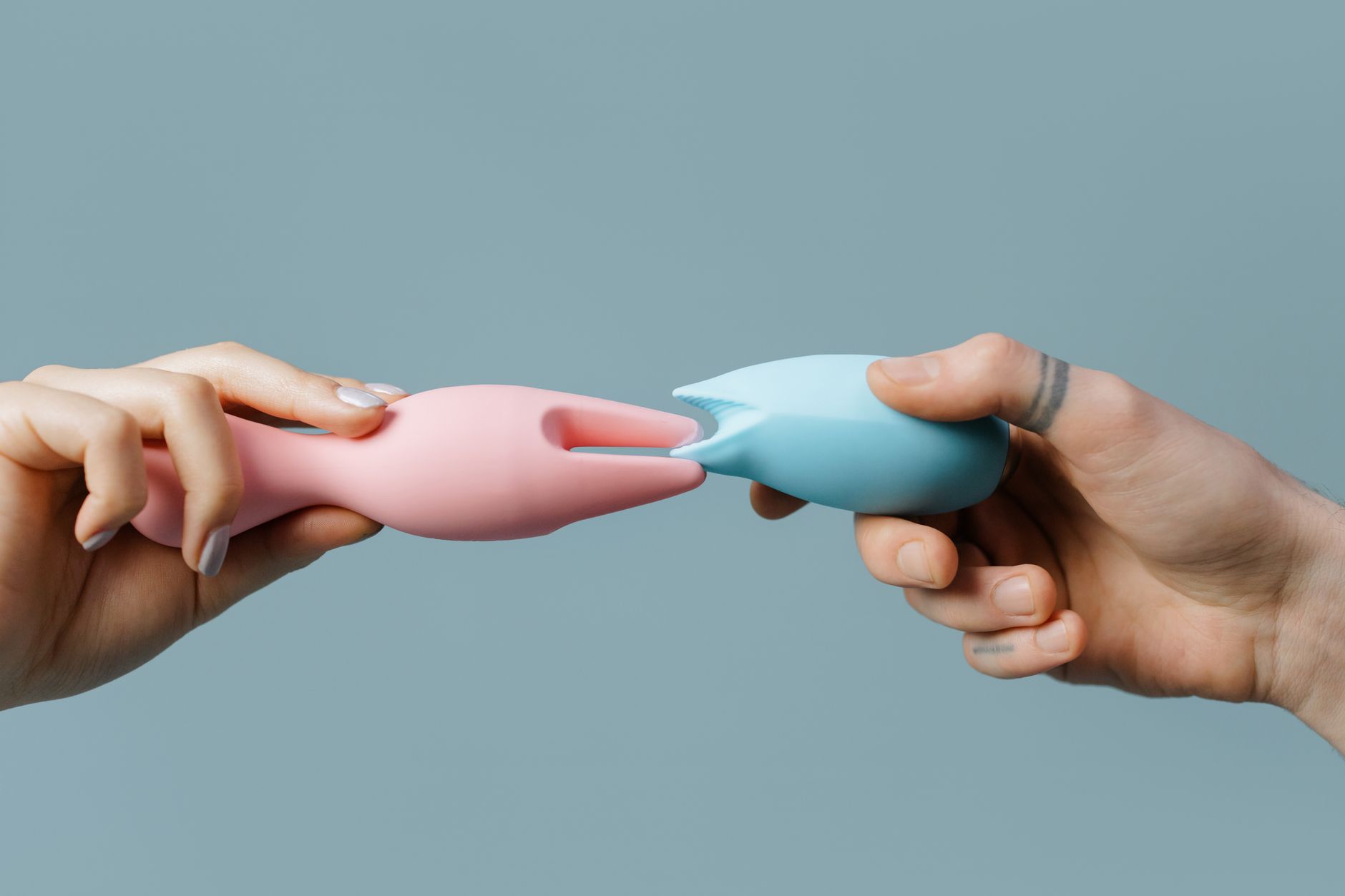
The Lem and similar lemon clitoral vibrators work through suction and pulsation. This is different from traditional vibration, which matters because your nervous system probably has associations with whatever you used before, or didn't use at all.
Start at the lowest pattern. I'm serious about this. The impulse is to jump to higher intensity because you think that's what gets results. It doesn't. Especially post-breakup, when your body hasn't been exploring pleasure independently in months, lower intensity teaches your body that solo arousal is a process, not a performance. It builds anticipation.
Apply lubricant. Water-based is best because it plays nice with silicone and feels more natural. Slowly place the toy. You're not hunting for the most intense feeling. You're hunting for the feeling that makes your breathing change.
Stay with whatever pattern and intensity creates that feeling for five to ten minutes. That's not lazy. That's learning. Your body is remembering that pleasure without a partner exists.
The emotional texture of solo pleasure post-breakup
Honestly, your first few sessions might feel strange. You might feel sad. You might feel numb. You might feel relief followed by weird shame. All of that is grief expressing itself through your body.
The work here is not to perform pleasure or chase orgasm. It's to feel whatever you feel and keep the toy moving. Some people find that solo pleasure after a breakup opens up a kind of quiet loneliness that they then process through the body. That's not a sign something's wrong. That's your nervous system processing what it lost in an embodied way.
If you find yourself wanting to stop, you can. But notice whether you're stopping because something hurts or because of resistance. They're different. Resistance is often just the edge of healing. Discomfort is your body saying no.
Building a sustainable solo practice
Once you've done this once or twice, the goal shifts. You're not chasing specific outcomes. You're building a rhythm where solo pleasure is part of your baseline self-care.
Some people do this once a week. Some people do it three times a week. There's no correct frequency. What matters is consistency. Your nervous system needs to learn that this is a resource you have, not something you do when you're feeling desperate or lonely.
Over time, you'll notice that using a lemon vibrator solo starts to feel different than it did in the early days. Less loaded. More fun. More exploratory. You start noticing what patterns you actually prefer, which ones feel intense versus gentle, which ones you return to. This is you building an intimate relationship with your own body.
When to consider deepening practice
After a few weeks or months of consistency, you might notice your desire shifting. Maybe you want to explore longer sessions. Maybe you want to pair it with other tools. Maybe you want to get curious about fantasy or different positions.
That's the green light. You've established that your pleasure doesn't require someone else. Now you're free to explore what it requires from you. This is where solo practice becomes genuinely transformative for post-breakup healing. You're not replacing anyone. You're building an internal erotic life that doesn't depend on external validation.
Some people find that reading erotica or using fantasy changes how they experience solo pleasure. Others discover they prefer pure sensation. Both are right. The point is you get to find out for yourself, without anyone's timeline, preferences, or insecurities shaping the answer.
Why this matters for moving forward
Breakup recovery is long and weird and it doesn't go in a line. But solo pleasure, done with intention and patience, creates something specific. It creates a thread back to yourself that feels separate from the grief.
Every time you use a lemon clitoral vibrator to explore what feels good to you, you're telling your nervous system and your brain: I am capable of feeling good. I contain pleasure. It belongs to me, not to someone else, not to some couple identity we built together. This is groundwork for every kind of healing that comes next.
FAQ: Solo pleasure and breakup recovery
How long should I wait after a breakup before using a lemon vibrator?
There's no universal timeline. Physiologically, you can whenever you want. Psychologically, the question is whether it feels like self-care or like you're running from something. If it's the former, go ahead. If you're not sure, wait a week and see if the desire is still there. Usually it is.
Will solo pleasure make me feel lonelier during a breakup?
Sometimes, honestly. The first few sessions can surface grief because your body remembers being touched by someone else. That's normal and usually temporary. You're not supposed to feel happy during early breakup recovery. You're supposed to feel like you're reconnecting with yourself. Sadness and pleasure can happen at the same time.
Can I use a lemon vibrator if I didn't masturbate before my relationship?
Absolutely. This is actually ideal timing. You're learning your body fresh, without comparison to someone else's touch. Start slow, follow the guidance above, and give yourself grace. It might take a few sessions to find a rhythm that feels natural instead of clinical.
Is it normal to orgasm less easily when I'm stressed about the breakup?
Completely normal. Your body is under stress. Your cortisol is elevated. The neural pathways for arousal are doing double duty processing grief and pleasure at the same time. You might not orgasm for a while. That's not failure. That's your body being honest about where it is. Keep using the vibrator anyway, without orgasm as the goal.
What if I feel guilty about pleasure after a breakup?
That's grief talking. Your brain is trying to stay loyal to a relationship that's over. Guilt is actually a sign that you need solo practice more, not less. Every time you choose your own pleasure despite the guilt, you're telling your body that you matter independent of that relationship. Do it anyway.
How do I know if I'm using a lemon vibrator too much or too little?
Too much is when it starts replacing other forms of emotional processing. Too little is when you're avoiding your body because of the breakup. The middle ground is when solo pleasure feels like one part of your recovery alongside therapy, friends, rest, and time. If you're using a lemon vibrator three times a week and also showing up for yourself in other ways, you're good.
What comes next
Using a lemon clitoral vibrator solo after a serious breakup is not about "moving on" in the way people usually mean it. It's about integrating the person you were in that relationship into the person you are now, alone. It's about learning that your body's capacity for pleasure was never actually theirs. It was always yours.
Start gentle. Stay consistent. Notice what shifts. And remember that this is part of the work of becoming someone who doesn't need a relationship to feel complete, even if you want one eventually. That difference changes everything.
If you need more support navigating intimacy and relationships during transition, consider reaching out to a therapist or counselor who specializes in breakup recovery. You deserve guidance tailored to your specific situation.
Resources and further reading
If you're interested in deeper exploration of solo pleasure and post-breakup healing, these posts from Lemon Vibrator Shop might help: How to Use a Lemon Vibrator for Solo Pleasure When You're Returning to Masturbation explores rebuilding solo intimacy in other contexts. For partners considering how to support someone through a breakup, How to Talk to Your Partner About Using Lemon Vibrators Without Awkwardness might offer useful communication frameworks. And if you're rebuilding within a new relationship later, How to Use a Lemon Vibrator When First Exploring With a New Partner covers that transition with care and specificity.