Here's what nobody tells you about stress and sex
One partner comes home exhausted from back-to-back meetings and wants to sleep. The other has been waiting all day, wound up and ready. Within weeks, the person with the lower desire feels guilt. The person waiting feels rejected. Both start keeping score. This is the career stress divide, and it destroys more relationships than infidelity.
The thing is, stress doesn't kill desire equally. Some people shut down completely under pressure. Others use sex as a release valve. Neither response is wrong. But when they're happening in the same relationship, the mismatch becomes a conversation nobody knows how to have.
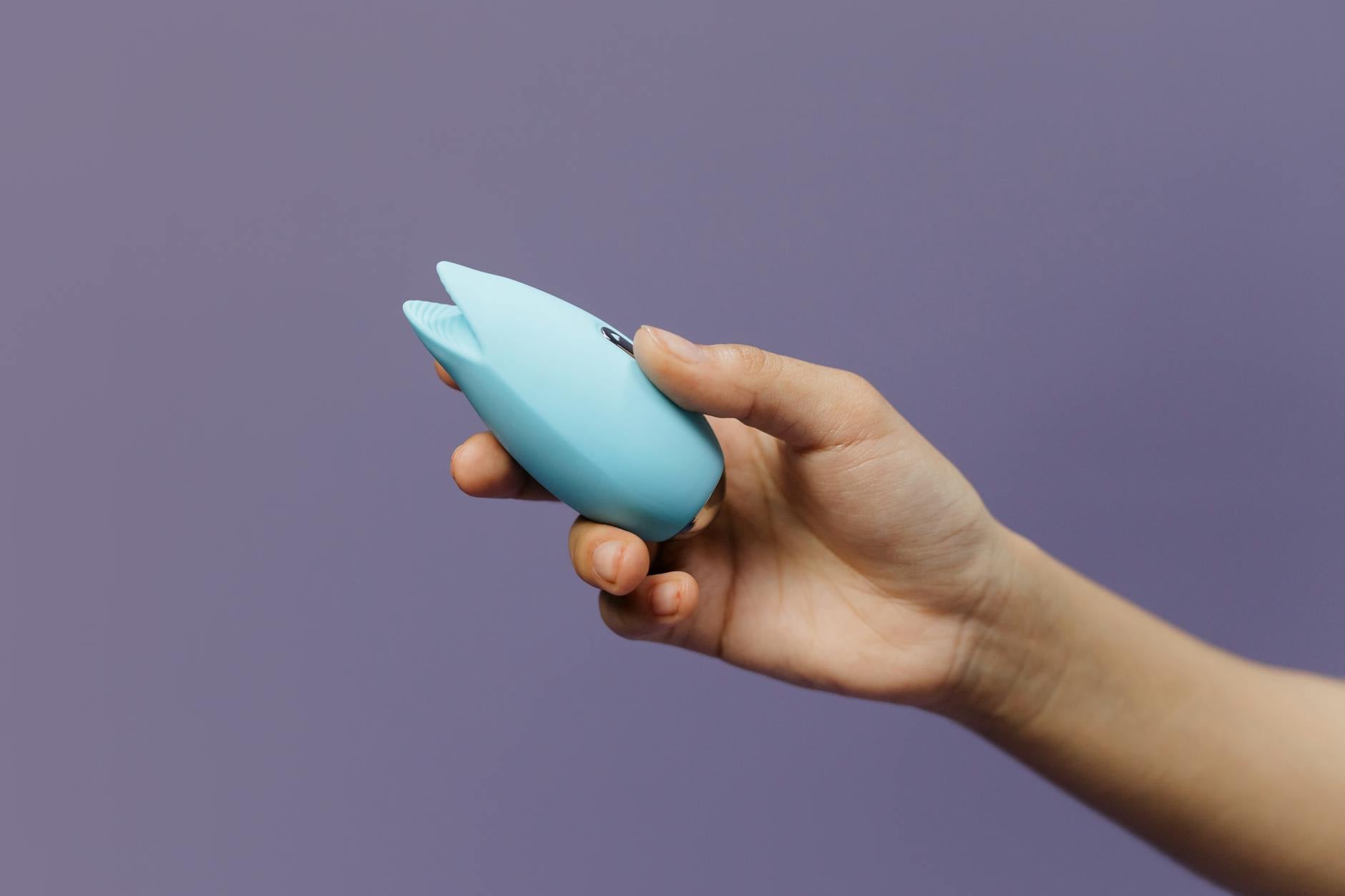
Lemon clitoral vibrators like the Lemon Vibrator Shop's lineup exist partly for this exact situation. They're not a band-aid. But they do something valuable: they separate "your body's capacity for pleasure" from "your partner's current availability," which transforms the entire dynamic.
Why career stress hits libido so differently
Cortisol is the culprit here. When you're under sustained work pressure, cortisol floods your system and suppresses estrogen and testosterone. The amygdala (your threat-detection center) stays activated. Your nervous system stays in fight-or-flight. That body isn't looking for pleasure. It's looking for safety.
But here's the catch: your partner might be wired differently. Some people process stress through physical release. Sex feels grounding to them. They touch their partner and think "finally, something good." The partner who's stressed thinks "I can't even breathe and now there's pressure to perform."
Neither person is being difficult. Their neurochemistry just handed them different jobs.
The resentment trap (and how to avoid it)
When desire mismatches happen, couples usually make one of two mistakes.
Mistake one: the lower-desire partner starts apologizing and promising to "get back to normal." This puts sex on a timeline. They pressure themselves. Their partner waits and watches. Waiting while someone else tries to manufacture desire is its own special torture.
Mistake two: the higher-desire partner pulls back, pretends they're fine, and builds quiet resentment. "I'll just stop wanting anything," becomes the unspoken agreement. Then the lower-desire partner feels guilty, misreads the withdrawal as rejection, and intimacy evaporates entirely.
Neither path reconnects you. Both require you to solve the unsolvable: force someone to want sex they're too stressed to want.
Lemon clitoral vibrators bypass this entirely. They're honest about what's happening. They say: your bodies work independently right now. That's okay. That's solvable.
How lemon vibrators actually help here
Let's be specific. A lemon vibrator allows the lower-desire partner to reclaim their own pleasure without performing for someone else. This is massive. They can explore sensation when they have the headspace, on their own timeline, without guilt about meeting a partner's needs.
Meanwhile, the higher-desire partner isn't left waiting. They're not watching someone else try to perform. Paradoxically, this often makes it easier for the lower-desire partner to eventually want physical connection again.
Lemon sexual toys work particularly well for stress recovery because air-suction stimulation (which the Lemon Vibrator uses) hits differently than traditional vibration. It's more focused, less reliant on sustained arousal buildup. If your nervous system is still partly in threat mode, you might not have the bandwidth for 20 minutes of foreplay. But 8 minutes with a focused tool? That's achievable.
The conversation you actually need to have
Before either of you touches a vibrator, separate the two problems.
Problem one: "We're out of sync sexually right now." That's a fact, not a judgment.
Problem two: "I feel rejected / guilty / lonely." That's an emotional truth that needs its own space.
Mix those two things and everything becomes about blame. Keep them separate and you can actually solve the first one while building compassion around the second.
Try this script: "I know you're fried. I'm not trying to add pressure. I miss the physical connection between us, and I'm guessing you're too exhausted to think about it right now. So here's what I'm thinking. You take some time to reconnect with your own body when you have space. I'll do the same. And we'll check in without expectation. When you feel ready, we'll rebuild from there."
This works because it tells the truth without blame. Your partner's stress isn't their fault. Your need for touch isn't selfish either.
Practical integration: how to start
If the lower-desire partner is willing, lemon clitoral vibrators become a form of self-care they do alone first. Not performance. Not obligation. Just exploration. Twenty minutes, no phone, no expectations about what should happen.
Most people find that regular solo pleasure actually increases their interest in partnered sex. It's not magic. It's neuroscience: your brain starts associating your body with good feelings again instead of with guilt or shutdown.
The higher-desire partner needs permission to do the same thing. Yes, your partner is stressed. That doesn't mean your sexuality disappears. Solo exploration with a lemon vibrator keeps your nervous system regulated and prevents that quiet resentment from building.
Then, and only then, decide together if shared pleasure is something you want to rebuild. Some couples find that using a lemon clitoral vibrator together during this phase helps. It's lower-stakes than partnered sex. Nobody has to perform. You're just present and curious together.
When work stress becomes a pattern
Here's the hard part: if the career stress is chronic, this mismatch will keep returning. A vibrator doesn't fix a job that demands 60 hours a week and leaves no emotional bandwidth for intimacy.
At some point, you both need to talk about whether the work itself is sustainable for your relationship. That might sound extreme. But I've seen couples rebuild significant intimacy once they made actual changes to work boundaries. Not quit. Just boundaries.
If your partner is too drained to want sex but also too drained to sleep, too drained to laugh, too drained to be present: that's not a desire mismatch. That's a crisis. And a lemon vibrator, while useful, isn't the solution.
But if you're both functioning and just temporarily out of sync? The tools help. Lemon sexual toys give you both permission to reclaim your bodies and your pleasure independently. That's not relationship repair. It's relationship maintenance during a hard season.
The timeline thing (realistic expectations)
Don't expect this to fix overnight. Chronic stress doesn't lift in a week. Desire usually takes 3 to 6 weeks to re-emerge once the nervous system starts to calm. If your partner is using a lemon clitoral vibrator regularly and you're both being patient, you'll probably notice subtle shifts first: they smile more, touch you more casually, seem less snapped-at-the-edges.
Then interest in sex slowly returns. Not because they forced it. Because they got their nervous system back online.
That's not a small thing. That's the difference between a relationship that survives high-stress periods and one that doesn't.
When to bring it up (and how)
Timing matters. Don't hand your partner a lemon vibrator on a Monday after a brutal work week. Don't frame it as "we need to fix this."
Instead: "I've been thinking about us. I know you're stressed. I found this thing that might help both of us reconnect with pleasure independently, without pressure. Would you want to try it?"
Lower-desire partners often say yes when it's framed as relief (freedom from pressure) not as solution (fix yourself). Higher-desire partners need permission to also take care of themselves instead of waiting.
A lemon vibrator gives both of you that. That's the real value here.
People also ask
Can a vibrator actually help with desire mismatch caused by stress?
Yes, but not the way you might think. A vibrator doesn't make someone want sex they're not capable of wanting while stressed. What it does is separate your pleasure from your partner's availability. This removes the guilt and pressure that usually makes desire mismatches worse. When the lower-desire partner can explore pleasure solo, their nervous system starts to regulate. That often gradually increases interest in partnered sex later.
How long does it take for someone's libido to return after career stress?
Most people see shifts in 4 to 8 weeks once stress levels actually drop. But here's the key: just using a vibrator doesn't lower stress. Your partner needs actual relief from work pressure. Shorter hours, boundaries, time off, or sometimes a different job. The vibrator supports that process. It doesn't replace it.
Is it normal for stress to kill one partner's desire but not the other's?
Completely normal. People's nervous systems process stress differently based on their attachment style, baseline cortisol levels, and how their brain categorizes threat. Some people need physical touch to feel safe. Others need space to feel safe. Neither is wrong, and both can be true at once.
Should I feel rejected if my partner doesn't want sex while they're stressed?
Your feelings are valid. Rejection hurts. But it's important to separate "my partner is not interested in sex right now" from "my partner is not interested in me." One is stress. One is about the relationship. Most of the time during high-stress periods, it's the first one. Holding that distinction prevents resentment from building.
Can couples use a lemon clitoral vibrator together if desire is mismatched?
Yes, but usually not immediately. Start with solo exploration first. Once both partners feel less pressure and more connected to their own pleasure, shared exploration often becomes possible. It's lower-stakes than partnered sex and can feel playful instead of obligatory.
What if my partner refuses to discuss the desire mismatch at all?
That's avoidance, and it usually signals deeper relationship issues beyond stress. If your partner won't talk about intimacy, a vibrator won't fix that. You might need to work with a couples therapist to create safety around the conversation itself. Sometimes the resistance isn't about the sex. It's about feeling judged, controlled, or unheard in other parts of the relationship.
The real work isn't about the vibrator
Lemon clitoral vibrators are useful, practical tools. They give you both permission to reclaim pleasure independently. But the actual work is the conversation. It's deciding together that stress is temporary and doesn't get to kill your intimate life. It's choosing compassion over keeping score. It's being patient with each other's nervous systems.
The tool helps. But the relationship is what saves you.
If you're ready to have the conversation with your partner, start here: "I miss us. I know you're stressed. I'm stressed too. Can we figure this out together?" That's where everything shifts. From there, the rest is just permission and tools.
You deserve intimacy even in hard seasons. Your partner deserves to feel desire again when their body is ready. A lemon vibrator shop like Lemon Vibrator Shop exists because reconnection during stress is possible. You just have to be willing to talk about it first.