Let's talk about the single-orgasm ceiling
You get there. One solid climax. Then your body just stops. The sensation flattens. You try to keep going, but it feels like you're chasing something that vanished. Most people assume this is just how they're wired. It's not. I've worked with dozens of people who thought they were one-and-done, and the vast majority of them weren't. They just didn't know what their body actually needed to go again.
Here's the thing nobody explains: multiple orgasms aren't about having more willpower or a better vibrator. They're about understanding what your nervous system does after the first one, and then working with it instead of against it.
Why your body stops after the first orgasm
After orgasm, there's a refractory period. This isn't a bug. It's a built-in reset. During this window, most of the clitoris becomes too sensitive to touch directly. The tissue is engorged, the nerves are firing at max capacity, and stimulation that felt incredible five seconds ago now feels sharp or uncomfortable.
Here's where most people go wrong: they assume this means they're done. They stop. But that refractory period doesn't mean arousal has to end. It just means the type of stimulation has to change.
The second thing that happens is psychological. After the first orgasm, there's often a relief response. The anticipation is over. The pressure is gone. Your brain literally downshifts into a calmer state. If you don't actively counter that shift, your body follows your brain right out the door.
The post-orgasm window is not a rest period
It's a technique reset.
Instead of keeping the same pattern, rhythm, or intensity on the Lemon Vibrator that got you to the first climax, you need to shift. Here's what I tell people to try:
Immediate pause (10-20 seconds). Right after the first orgasm, stop stimulation entirely. Let your body settle. Your clitoris will thank you. This isn't giving up. It's a micro-recovery that prevents numbness.
Switch to indirect stimulation. Once the intense sensitivity fades slightly, move the vibrator to the inner labia, the vestibule, or even just barely off the clitoris. The Lemon's suction pattern still reaches the clitoral tissue, but through the soft tissue around it, not the head itself. This feels completely different and it's often more sustainable.
Lower the intensity. Whatever pattern you used on the first go, drop to settings one or two below. Your body is more sensitive now, not less. Pattern 3 on the Lem might be where you climaxed the first time. Pattern 1 or 2 will often feel like the right amount of stimulation to build toward the second.
Breathe deliberately. This one matters more than people expect. After the first orgasm, breathing often goes shallow again. Taking deliberate, slower breaths keeps arousal climbing instead of dropping off. Box breathing (inhale four, hold four, exhale four) is mechanical but weirdly effective.
The arousal has to keep climbing, not restart from zero
Most people treat the second orgasm like a separate event. You finish one, you stop, you rest, then you try to build all the way back up from baseline. By that point, arousal has dropped so far that reaching another peak takes twice as long and twice as much effort.
Instead, keep arousal in motion. Don't let it crash. Think of it like a wave that crests, dips into the trough, but keeps moving forward. You're not trying to get back to the peak instantly. You're keeping the water moving so the next peak can build naturally.
With a lemon clitoral vibrator, this means continuous but changing stimulation. Shift positions, shift intensities, shift the exact spot you're stimulating. Keep something happening so your nervous system stays engaged.

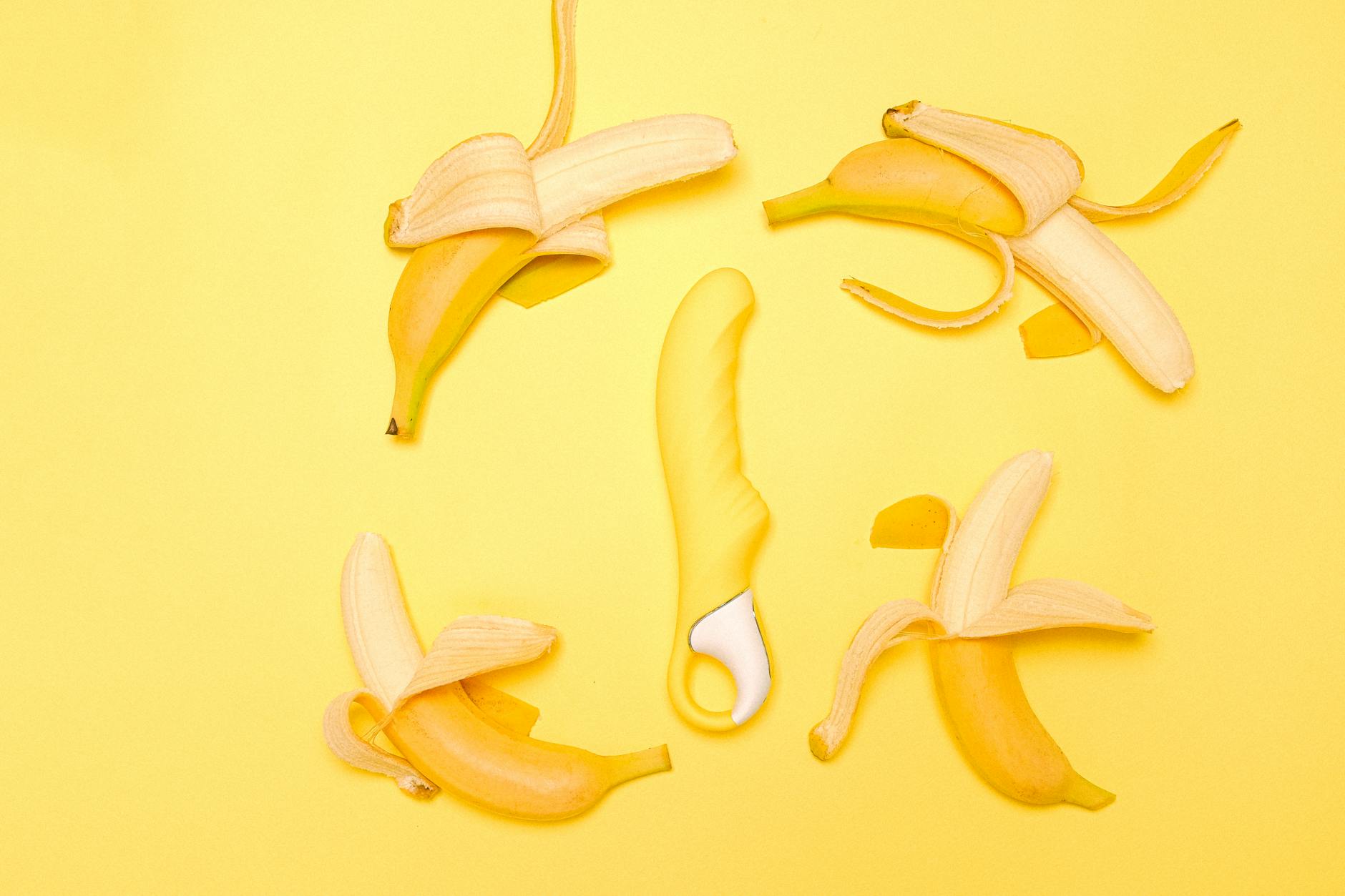
Photo by cottonbro studio on Pexels
The mental shift is half the battle
Plenty of people's bodies could absolutely reach multiple orgasms. Their minds won't let them. After the first one, there's often this voice that says "okay, that was it, mission accomplished." Or there's anxiety: "Will I be able to do it again? What if I can't?" That doubt is a direct line to arousal dropping.
If you've experienced pleasure takes time to return, you know how much narrative matters. Same thing here. The difference is you're not waiting weeks to rebuild. You're shifting technique mid-session while arousal is still relatively high.
What helps is reframing what you're doing. You're not trying to have a "second orgasm." You're exploring a longer arc of pleasure. You're seeing what your body can do when you keep stimulating it past the first peak. Remove the goal of reaching another specific climax and just stay curious about sensation. Weirdly, that removes a ton of the mental pressure that kills the momentum.
Positioning changes matter more than you'd think
The angle you approach from, the pressure, the exact spot on the clitoris you're targeting. All of that changes how the body responds. After the first orgasm, your go-to position might not work anymore because the tissue has shifted slightly.
Experiment with angles. If you were coming from directly above, try from the side. If you were using the flat part of the Lem, try the tip. If you were stationary, try small movements. The goal is to find a new configuration that feels good without being overstimulating. This is honestly where a device like the Lemon vibrator is brilliant because the suction pattern gives you options. You can find a "sweet spot" that's different from where you started, but it's still hitting the same nerve group in a gentler way.
The timing of arousal building is different
Before the first orgasm, you might spend 15 minutes building to a peak. After it, building to the second one often takes less time, but it feels slower because the intensity is lower. People get impatient. They think if it's taking longer, it's not working. But post-orgasm arousal is a different curve entirely.
Expect 5-10 minutes for the second peak, not 15-20. Let it be a gentler climb. Your body isn't taking longer to respond. It's just expressing pleasure differently.
When numbness blocks the path
If after trying these shifts you're still hitting a wall where sensation completely flatlines, you might be dealing with overstimulation that's easier to prevent than fix. If this is happening, consider how to use a lemon vibrator for better sensation when numbness affects pleasure before the first orgasm even happens. Sometimes reaching two orgasms is about what you do in the first 10 minutes, not what you do after.
You can also build in longer micro-breaks between patterns. Instead of continuous stimulation for 20 minutes, try 5 minutes on, 30 seconds off, 5 minutes on. This keeps sensation fresh and prevents the numbness that kills multiple orgasms.
What works with a partner
If you're doing this with someone, communication gets even more important. They need to know that after your first orgasm, you're not finished. You're shifting. Some partners interpret the orgasm as a signal to wrap up. That's the opposite of what you need.
Talk through your technique change beforehand so they're not confused when you ask them to shift how they're touching you or to lower intensity. If you're using a lemon vibrator together, they can hold it and follow your breathing or your directions.
For couples navigating this, how to use a lemon vibrator for better orgasms with a partner covers the bigger picture of partnered pleasure, but the multiple-orgasm piece is really about staying present and not assuming the first one is the finish line.
FAQ
Can everyone have multiple orgasms with the right technique?
Most people can. The physiology supports it. But some people's nervous systems genuinely prefer single, intense orgasms. There's nothing wrong with that. The goal isn't to force multiple orgasms. It's to give yourself the option if you want it. If after trying these techniques you still prefer one big one and you're satisfied, that's a complete and valid pleasure response.
How long should I wait between the first and second orgasm?
The refractory period varies widely. Some people can keep stimulating after 10 seconds. Others need 30-60 seconds of no direct contact before it feels good again. Start with a full pause of 20 seconds, then test how the sensation feels. If you're numb, keep pausing. If you're ready, shift technique and keep going. There's no "right" timing.
Does the Lemon vibrator work better than other toys for multiple orgasms?
The suction pattern helps because it reaches the clitoris indirectly. This is gentler on the tissue and makes it easier to find a comfortable stimulation level after the first orgasm. But honestly, the bigger factor is understanding that technique changes need to happen. You could reach multiple orgasms with any toy if you shift how you're using it. The Lemon just makes those shifts feel more intuitive.
What if the second orgasm feels less intense than the first?
That's completely normal. The second (or third) orgasm often has a different texture. It might feel more distributed, less sharp, more full-body. Some people describe it as subtler but longer. It's not worse. It's just different. If you're chasing the exact same intensity as the first one, you'll be disappointed. If you're curious about different types of sensation, you'll probably find the second one satisfying in its own way.
What does the research say about multiple orgasms?
Studies show that about 40-50% of people with vulvas experience multiple orgasms regularly. Most others can access them with the right conditions and technique. The clitoris physically can produce multiple orgasms because unlike the penis, there's no ejaculation involved. The main barriers are mental (expectation, anxiety, overthinking) and physical (overstimulation or not understanding technique shifts). Neither is permanent.
Should I use a different vibration pattern for the second orgasm?
Often yes. Your body is in a different state after the first orgasm, so the pattern that worked then might not work now. Try dropping to a lower pattern number or shifting to a different rhythm entirely. You might also use a gentler pattern for the second and ramp it back up. The key is experimentation. What works for you might be specific and individual.
The bottom line
Multiple orgasms aren't something you either have or don't have. They're something you can build toward by understanding what your body needs in that post-climax window. The technique shift is real, it's learnable, and it works. Your first orgasm doesn't have to be the end of the session. It can be the beginning of something longer and more complex. Give yourself permission to find out what that feels like.
Have questions about technique or using lemon adult toys for pleasure exploration? Reach out to us and let's talk through what might work for your body.