
Let's start with the obvious part that nobody actually says out loud
Kids obliterate desire. Not equally. One parent often gets hammered harder by sleep deprivation, emotional labor, and the weight of managing the household, while the other still occasionally thinks about sex. This asymmetry doesn't mean your relationship is broken. It means you have kids.
But it does create a particular kind of friction. The person with more desire feels rejected. The exhausted partner feels pressured. Both feel guilty. A lemon clitoral vibrator can't solve exhaustion, but it can create a middle path that doesn't require one person to pretend and the other to white-knuckle through.
Why desire tanks unevenly after parenthood
Here's the thing. Desire isn't just about hormones or attraction. It's bandwidth. And parenthood eats bandwidth in wildly different ways depending on how your household works.
The partner carrying the mental load of pediatrician appointments, school calendars, and deciding what's for dinner has their nervous system in a permanent low-grade stress state. Their brain is literally split into seventeen places. Sex requires mental availability. Stress removes it.
Meanwhile, your other partner might actually crave physical connection as a stress relief, a way to feel like themselves again. They're not wrong. Sex does that. But timing the offer with a moment when the other person isn't already touched out or thinking about the laundry is nearly impossible.
How a lemon sucker changes the conversation entirely
A lemon clitoral vibrator like the Lem shifts the dynamic from "do we both have to want this right now" to "I can give you focused pleasure without needing your full participation."
Here's what that actually looks like. You set aside fifteen minutes. Not an hour. Fifteen. The more-exhausted partner gets to lie down and receive stimulation without needing to reciprocate, perform, or manage anyone else's pleasure. They're off the hook for effort.
The partner with more desire gets physical connection and intimacy. They get to watch, touch, connect. They're not left standing in the hallway trying to figure out why sex feels impossible.
This sounds simple, but it's radical. Most couples operate on the assumption that good sex requires both people to want it equally and simultaneously. Lemon vibrators blow that assumption up. They let desire be asymmetrical and still functional.
The actual mechanics that work when you're both exhausted
Four specific shifts matter here.
First, abandon foreplay guilt. When one person is running on fumes, skip the twenty-minute lead-up. A lemon clitoral vibrator delivers sensation fast. Start with the lower intensity settings and work up. Most people on the exhausted end will climax within five to ten minutes. That's not selfish. That's smart triage.
Second, make it a solo-plus experience. The more-desire partner can use hands, can be present, can provide touch and attention. But the vibrator handles the actual stimulation. This removes the pressure on one person to deliver an orgasm through their own effort alone. The Lem's suction technology works beautifully here because it doesn't require the kind of friction that builds fatigue.
Third, do it in the afternoon or early evening if possible. Evening sex when everyone's completely cooked is a losing game. A Sunday afternoon or even a Wednesday lunchtime works better. Seriously. Desire and energy follow the same curve.
Fourth, talk about it when no one is trying to initiate. Not during foreplay. Not in bed at night. Talk about this framework when you're having coffee or driving somewhere. "I want you to experience pleasure even when you're exhausted. Would it help to try something like this?" That removes the pressure-filled negotiation from the moment itself.
What changes when you actually use this approach
Most couples I've worked with report three concrete shifts.
The exhausted partner stops dreading sex. That's huge. When you know sex doesn't require you to perform or reciprocate, it stops feeling like a demand. It starts feeling optional again. And paradoxically, when it's optional, people want it more often.
The partner with more desire feels less rejected. They're getting physical intimacy and connection without resentment attached to it. That changes everything about how the rest of the week feels.
Neither person is lying. You're not pretending you want something you don't. You're not white-knuckling through something that feels like an obligation. You're meeting halfway.
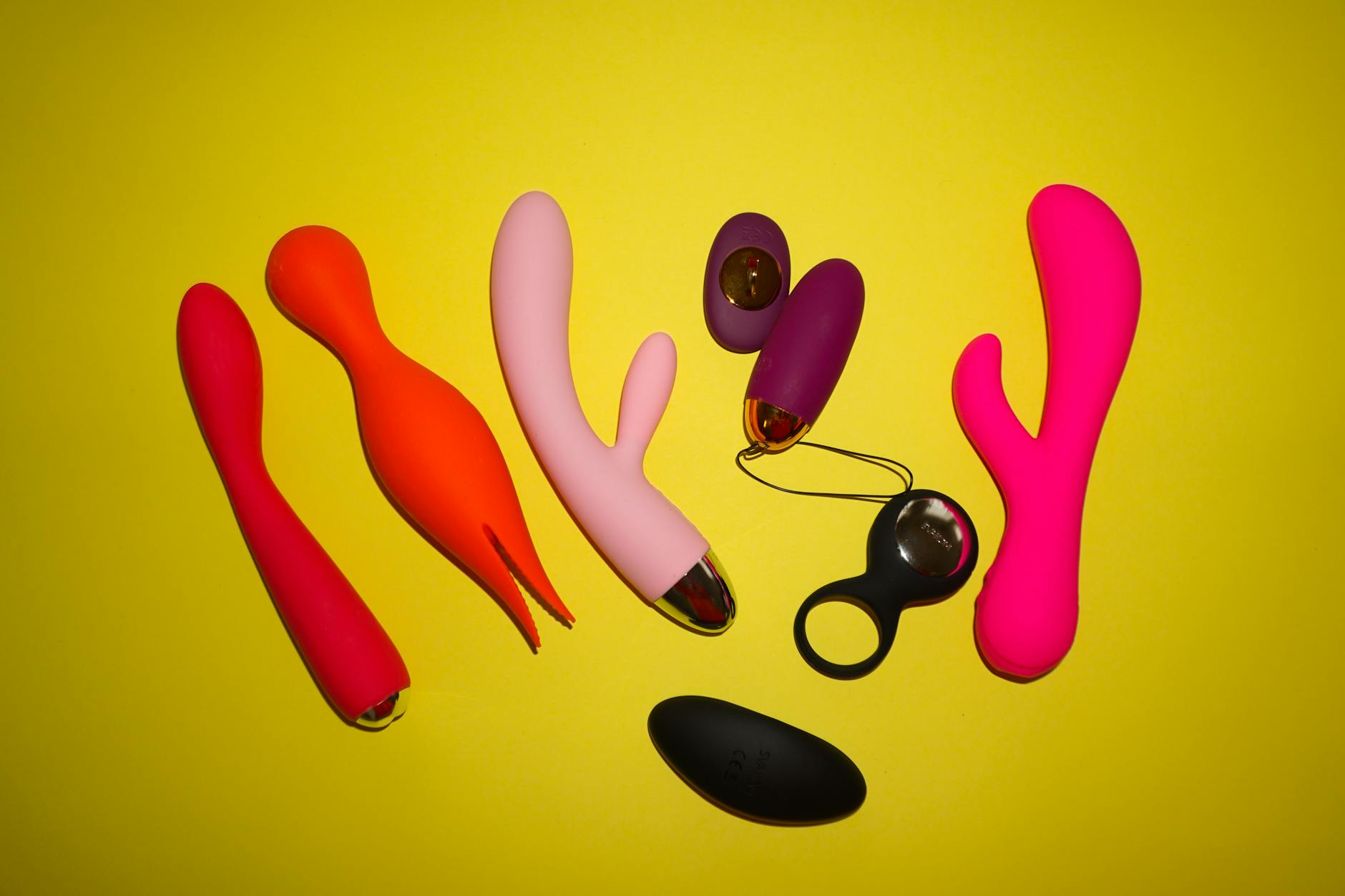
Photo by FounderTips on Pexels
The conversation your partner might need to hear
Honestly, the hardest part isn't the mechanics. It's getting past the idea that this is somehow less real or less connecting than "traditional" sex.
It's not. Being fully present while your partner experiences pleasure is intimate. Letting yourself be cared for without needing to give back is intimate. Choosing connection even when you're both running on empty is intimate.
What it's not is the Instagram version of sex. And that's actually fine.
If your partner is resistant, here's the conversation I'd have. "I know you're exhausted. I'm not trying to add to your load. I'm trying to find a way we can still feel close without either of us pretending or resenting it. Can we try this?" That frames it as collaborative problem-solving instead of a sexual demand.
When desire stops being about time and becomes about presence
This is important. Once you crack the code that you don't need two enthusiastic people at the exact same moment to have meaningful physical connection, something shifts.
You start noticing moments. Wednesday morning before work. The fifteen minutes after kids are finally asleep. Saturday morning while coffee brews. Your entire available window for physical intimacy expands because it's not locked to this fantasy of two people who both want it equally and have an hour.
You're working with what you actually have. Which, with kids, is usually time, energy, and presence in smaller, more scattered pieces.
What helps lemon clitoral vibrators work better in this specific situation
Two things matter technically.
First, water-based lube. When one person is not naturally lubricated because they're not fully aroused, external lubrication becomes essential. The Lem works brilliantly with it. You're not fighting friction. You're just delivering sensation.
Second, communication about what intensity feels good. The exhausted partner might need lower settings. The goal isn't deep orgasm. It's connection and release. Start slow. Let them guide you.
The thing nobody tells you about mismatched desire
It's not a sign your relationship is failing. It's a sign you have kids and one of you is being crushed by the invisible load of running the household.
The real fix is probably redistributing labor. But while you're working on that, a lemon vibrator is a practical tool that lets you stay connected instead of slowly drifting into resentment.
It's not the solution. It's the bridge while you figure out the solution.
People also ask
Can using a lemon vibrator together help if one person feels pressured?
Actually yes. When one partner is driving pleasure and the other is just receiving, it removes the performance anxiety. The exhausted partner isn't worried about whether they're responding correctly or finishing fast enough. They're just being present. That usually makes sex feel less pressured, not more.
How do I bring this up without my partner thinking I'm criticizing their libido?
Timing and framing matter. Don't bring it up when you're trying to initiate sex or when you've just been rejected. Instead, pick a neutral moment and frame it as collaborative: "I've been thinking about how we can stay close even when we're both running on empty. I found something that might help us both feel good about it." You're not criticizing. You're problem-solving.
Is it weird if only one person uses the lemon vibrator and the other just watches or touches?
No. That's actually ideal for mismatched desire. One person gets stimulation and pleasure. The other gets to be present and connected without needing to perform. It's intimate because you're both choosing to be there together, not because you're mirroring each other's responses.
What if my partner feels threatened by the idea of a vibrator?
This usually comes from the idea that vibrators replace partners. They don't. A lemon clitoral vibrator in this context is a tool for connection, not an escape route. The intimacy comes from the fact that you're doing this together, not apart. Help them understand you want them more present, not less.
How often should we try this if we're dealing with really mismatched desire?
Start with once or twice a month. That takes pressure off both of you. It's not a replacement for the deeper conversation about labor and exhaustion. But it gives you a way to stay physically connected while you work on the bigger stuff.
Does this work if one partner isn't interested in sex at all right now?
Sometimes. If someone is truly sex-averse due to burnout, forcing any sexual activity won't help. What helps is actually reducing their load first. A vibrator isn't the solution to complete burnout. But if someone wants connection but just can't muster the energy, this approach can work well.
The thing that actually matters
Mismatched desire after kids isn't a failure. It's a logistics problem. You have less time, less sleep, less mental space. Sex requires all of those things. The fact that you're still thinking about it at all is kind of a win.
A lemon clitoral vibrator lets you keep that connection alive without requiring both of you to be in the same mental state. That's not settling. That's pragmatism with intimacy attached.
If you're struggling with how to navigate this in your relationship, or if there's deeper stuff underneath the exhaustion, talking to a therapist who specializes in how to use a lemon vibrator when rebuilding intimacy after loss of desire can really help. Sometimes the mismatched desire points to something that needs conversation first.
Your partnership doesn't need synchronized desire. It needs presence. And presence is something you can both offer, even when energy is scarce.