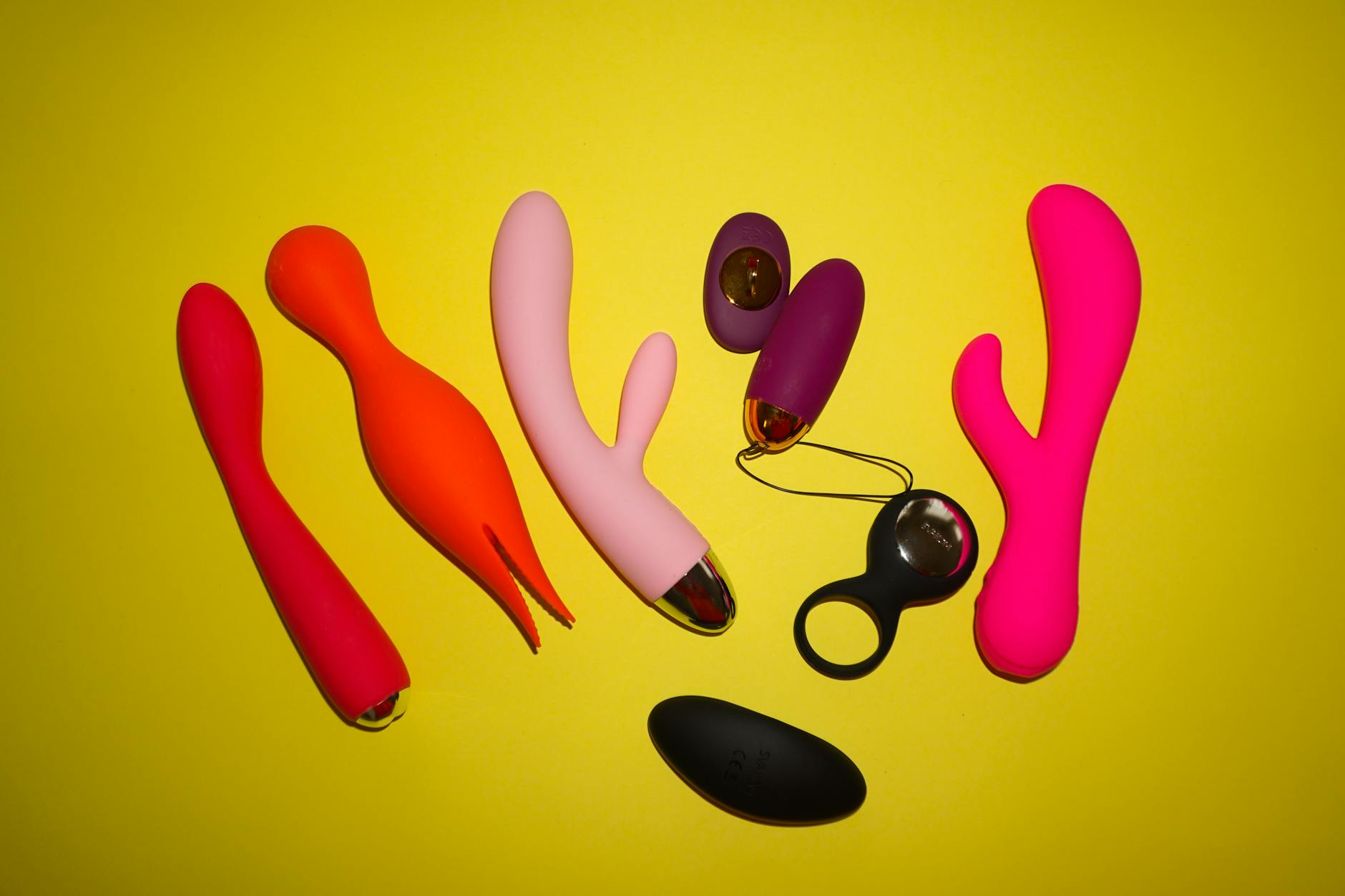
Let's name the problem first
One of you finishes in five minutes. The other needs twenty. Or thirty. So you have three choices: stop and feel resentful, keep going and feel bored or frustrated, or fake it and call that intimacy. None of those are good options.
Here's what usually happens instead. The faster partner feels pressured to slow down (and hates it). The slower partner feels rushed or like they're holding up the show (and stops being able to enjoy anything). You both end up resenting sex, which is the opposite of why you're doing this in the first place.
This timing mismatch isn't a sign your bodies are incompatible. It's a signal that you've been relying on one person's body to drive the entire experience.
Why the problem gets worse without tools
Without external stimulation, you're entirely dependent on whatever pressure, speed, or angle your partner can provide by hand or penetration. If that's not enough for one partner to finish, they have to wait. If it's too much for the other, they're done before the first person has even started to warm up.
The math never works out. And when the math doesn't work, resentment moves in.
Clitoral vibrators completely change the equation. Suddenly the person who needs more intense, sustained stimulation has access to exactly that. The other partner isn't performing the entire show anymore. Everyone's nervous system gets what it actually needs.
Lemon clitoral vibrators do this particularly well because they're designed for precision stimulation without being dependent on a partner's stamina or hand strength.
The setup that actually works
Here's the framework that transforms mismatched timing into something that works:
Step 1: Start separately, not simultaneously. The partner who typically takes longer starts first with a lemon vibrator. Use pattern one or two, build arousal slowly for five to ten minutes. Honestly, they might use it solo beforehand if that feels more comfortable. There's no prize for doing everything together simultaneously.
Step 2: The faster partner joins when ready. Once the slower partner is clearly turned on and building toward something, the other person enters the picture. This might be penetration, oral sex, hand contact, or their own stimulation. The timing is already matched because you started earlier.
Step 3: Keep the vibrator active. This is the non-negotiable part. The lemon vibrator stays on and in place. It's not a warm-up tool. It's the main event for that partner's orgasm.
Step 4: Work toward simultaneous finish if you want it. Once both partners are in the final push, you can coordinate rhythm and intensity. But it's crucial that you're not trying to make the timing match from zero. You're just syncing the final moments.
If simultaneous orgasm doesn't happen, that's completely fine. The point isn't synchronized clocks. The point is that both people actually get to finish.
When the faster partner needs to slow down (not just wait)
If one person genuinely comes very quickly and the other takes a long time, you need a separate strategy. The faster partner can't just hold still for twenty minutes. They'll get soft, frustrated, or mentally checked out.
Three options that work:
Penetration with a pause pattern. The faster partner enters slowly, pauses when sensation builds, and pulls back before the point of no return. This requires some body awareness, but most people learn it quickly. The slower partner can use the lemon vibrator during these pauses, which keeps their arousal climbing while the other partner regulates.
Oral or hand sex with depth control. The faster partner focuses on the slower partner's genitals but stays in lighter, less stimulating contact. A hand job that's gentle and slow. Oral sex without penetration. The lemon vibrator adds the focused intensity that oral sex or hands alone might not provide.
Fully external stimulation. Both partners focus on the slower partner's clitoris or external genitals with fingers and the vibrator. The faster partner gets stimulated by proximity, friction, or their own hand. This is less common but it absolutely works when penetration timing is genuinely incompatible.
The conversation that has to happen first
None of this works if you're not both honest about what actually turns you on and what actually takes you time.
Here's what I ask couples: "How long does it genuinely take you to finish when you're alone?" Not when you're trying to hurry. Not when you're overthinking. When conditions are perfect and nobody's watching.
That honest number is the floor you're working with. If someone says fifteen minutes solo, they might finish in twelve with a partner if everything aligns. But they're not going to finish in five because you want it faster.
Once you both know the real numbers, you can plan around them instead of pretending the gap doesn't exist.
The lemon vibrator's specific advantage here
Unlike wand vibrators that can be intense quickly or bullet vibrators that numb after prolonged use, lemon clitoral vibrators use suction stimulation to build sensation gradually. You can use pattern one for extended periods without numbness or overstimulation. The sensation actually grows over time rather than plateaus.
This matters enormously when one partner needs twenty minutes. A regular vibrator at high intensity for that long becomes unbearable. The lemon vibrator's suction technology lets you sustain stimulation without the grinding fatigue.
What doesn't work (and why)
Don't try to use a vibrator as punishment for someone's body. Don't use it to rush the slower partner. Don't introduce it as "fixing" the faster partner's premature finish. All of that frames the vibrator as a band-aid for broken bodies instead of a tool for pleasure.
The framing matters more than the tool. If you're introducing a lemon vibrator because you genuinely want both of you to feel good, that lands differently than introducing it because the current system "isn't working."
Also don't hand the vibrator exclusively to one partner and expect them to become more interested. That typically backfires. The vibrator should feel like a new piece of shared intimacy, not a workaround for someone's "problem."
The timing shift you'll notice
After two or three sessions where both partners actually finish, something shifts. The resentment that builds up from sexual mismatch starts to dissolve. You stop bracing for the finish line and actually start enjoying the middle.
The faster partner stops feeling like they're failing at stamina. The slower partner stops feeling like they're being a burden. Sex stops being a problem to solve and becomes something you actually want to do again.
Common questions about timing and lemon vibrators
What if we're both fast finishers? Great. You're starting with a head start. You might use the lemon vibrator during foreplay so that when you're both ready, you're at similar intensity levels. Or use it as part of a second round.
What if the faster partner feels emasculated or threatened? This is worth addressing directly before you even introduce the vibrator. Some partners worry that a vibrator means they're not "enough." That's real and worth naming. A lemon vibrator isn't about your adequacy. It's about her body's actual responsiveness. You can both show up as full partners without being everything to each other.
Can we use the vibrator during penetration? Absolutely. The lemon vibrator works beautifully during penetrative sex. It stimulates the clitoris while penetration happens, which synchronizes the sensations most people actually need to finish.
FAQ
Why do lemon clitoral vibrators work better for couples with timing mismatches than regular vibrators?
Lemon clitoral vibrators use suction technology rather than pure vibration, which means they can be used for extended periods without numbness or overstimulation. You can keep one running at pattern one or two for twenty minutes without it becoming painful or ineffective. Additionally, suction stimulation builds sensation gradually, which matches the slower partner's body better than rapid-fire vibration that peaks too quickly.
How do we introduce a lemon vibrator without making it weird or awkward?
The key is framing. Don't introduce it as a fix for someone's body. Frame it as "I want us both to actually finish and enjoy it." Show your partner the vibrator beforehand in a non-sexual context. Let them hold it, understand how it works, choose patterns. Some couples start by using it during solo masturbation first, then bring it into partnered sex once it feels familiar. The less secretive the introduction, the less weird it feels.
Can the faster partner also use a lemon vibrator during sex?
Yes. Some couples use two vibrators, one for each partner. Others have the faster partner use their own vibrator on themselves while the slower partner uses one. This can actually speed up the process because both people are getting exactly what their body needs instead of one person being the focus of all attention.
What's the best starting pattern on a lemon vibrator for couples trying to sync timing?
Start low. Pattern one or two. The slower partner should have already been using the vibrator for five to ten minutes before the faster partner joins, so they're already building arousal. A low pattern gives room for intensity to build without hitting a ceiling too quickly. You can increase patterns as arousal grows, but starting high often backfires because you have nowhere to go.
Does using a lemon vibrator together count as real sex?
Yes. Whatever involves both partners, pleasure, and intimacy counts. Whether it's penetration with a vibrator, vibrator use without penetration, or both of you using vibrators simultaneously. If you're both present and both finishing, that's real sex. Don't let arbitrary rules about what "should" happen rob you of actual pleasure.
How long does it actually take for couples to sync up their timing?
Often just two or three sessions. Once both partners experience finishing together or close to it, the pressure evaporates and you can relax into it. The first time is usually awkward because you're still figuring out angles and patterns. By the third time, your bodies already know what to do.
The bigger picture
Mismatched timing isn't a reflection of how much you love each other or how attracted you are. It's just your bodies being different, which they are. The couples that thrive are the ones willing to adapt and use whatever tools actually work instead of forcing both bodies into the same timeline.
A lemon vibrator isn't the only solution, but it's often the most effective one because it gives the slower partner independent, sustained stimulation that doesn't require your partner's effort or stamina.
Your pleasure matters equally. Both of your orgasms deserve to happen. If you need a tool to make that happen, that's not a compromise. That's just good logistics.
If you're still not sure how to start or what might work for your specific situation, reach out to us. We can help you figure out which approach fits your relationship best.