The medication pleasure tax
Let's be real. If you've started an antidepressant, antihistamine, or blood pressure medication and suddenly orgasm feels like trying to hear a whisper across a highway, you're not broken. You're experiencing one of the most common and least-discussed side effects of modern medicine.
About 40-60% of people on SSRIs report sexual side effects. Antihistamines blur sensation. Beta-blockers reduce blood flow to your genitals. Some medications do all three at once. And nobody tells you this when they hand you the prescription.
Here's the thing: your pleasure circuits didn't go anywhere. They're just muffled. And there are real, practical ways to wake them back up without dumping your medication or accepting numbness as the price of better mental health.
Why medications numb sensation in the first place
Your nervous system runs on chemical messengers. Dopamine and serotonin affect both mood and arousal. SSRIs (selective serotonin reuptake inhibitors like sertraline or paroxetine) flood your system with extra serotonin to lift depression. But that same flood dampens dopamine, which is critical for desire and physical sensation.
Antihistamines work by blocking histamine receptors throughout your body. The problem: histamine also widens blood vessels, which you need for arousal and sensation. Block it, and blood flow to your genitals drops. Beta-blockers and some blood pressure meds do something similar, reducing overall cardiovascular response.
The good news is none of this is permanent. It's not a character flaw or a sign the medication is wrong for you. It's a side effect you can work around.
The sensation-building strategy that actually works
Restoring feeling when medications have numbed it comes down to three things: intensity, pattern, and patience.
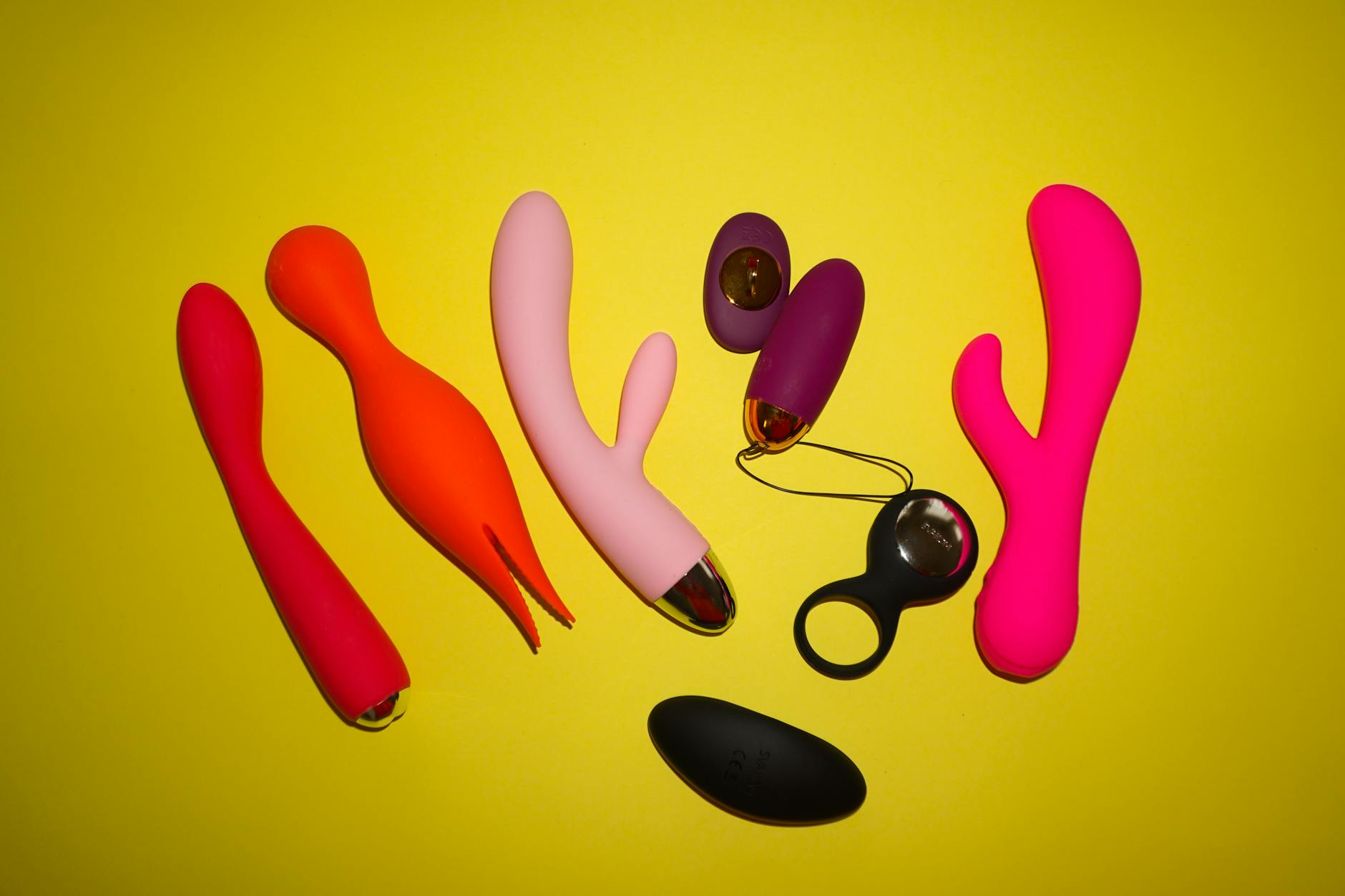
Start with external vibration. Your clitoris has about 8,000 nerve endings concentrated in a tiny area. A clitoral vibrator like the Lemon can stimulate those nerves with more consistent intensity than fingers alone. You're not adding pleasure. You're amplifying the signal that's already there so your muffled nervous system can actually register it.
Use suction, not just vibration. Air-suction toys (like a lemon sucker design) work differently than traditional vibrators. Instead of relying purely on vibration speed, they draw tissue into a gentle seal and apply rhythmic pressure. For medication-numbed sensation, this approach often works better because it doesn't require high-frequency response from your nervous system. You feel the pressure and the release cycle more easily than you'd feel pure vibration.
Layer patterns. Don't turn it on and hope. Try pulsing patterns instead of constant buzzing. The on-off rhythm actually wakes up nerve endings more effectively than flat stimulation. Most clitoral vibrators, including quality lemon vibrators, have multiple intensity levels and patterns. Start at pattern 1. Stay there for 5-10 minutes. Your body will slowly start to register sensation. This isn't boring. It's how neurological rewiring works.
The warm-up time reality
When you're medicated and numb, you need longer arousal time. I mean really longer. Where you used to get going in five minutes, now plan for 20-30.
This isn't a sign something's wrong. It's the same reason someone on a pain medication feels less sensation when they touch a hot stove. Your system is working, it's just operating at reduced sensitivity.
Use this time to actually enjoy foreplay. Touch your whole body. Pay attention to your breasts, your neck, your inner thighs. Some people find sensation returns faster in less expected places while they're waiting for genital sensation to wake up. This isn't a workaround. It's actual pleasure.
Working with a partner during medication numbness
If you're partnered, the temptation is to feel like you're broken or broken for them. You're not. But the conversation needs to be honest.
Say this: "My medication affects my sensation. I need more time and usually a vibrator to have an orgasm. That's normal for me right now. It doesn't mean I'm not attracted to you."
Then say this: "If you want to be involved, here's what helps. Longer warm-up. Patience. And sometimes I need to use a clitoral vibrator." Some partners feel threatened by toys. Most are just relieved you've named the problem instead of pretending everything's fine.
The lemon clitoral vibrator approach is actually good for partnered sex because it keeps you in control. You're not waiting for your partner's timing to kick in. You're managing your own sensation.
When to talk to your prescriber
Some medications cause worse sexual side effects than others. If you're on an SSRI and completely numb, sometimes switching to a different class (like bupropion, which doesn't usually dampen dopamine) solves it. If you're on an antihistamine and numb, switching to a non-drowsy version might help.
But here's what I tell people: don't stop taking medication that's working for your mental health just to restore sexual sensation. That math doesn't work. Instead, talk to your doctor about whether adjusting the dose, timing the dose differently, or switching to a medication with fewer sexual side effects is possible.
If they say no, a vibrator isn't a consolation prize. It's part of your actual toolkit for pleasure.
The patience part (the part nobody wants to hear)
Sensation often comes back gradually. You might notice it in waves. One week you feel more. The next week less. That's normal. Your nervous system is recalibrating.
Some people regain full sensation in weeks. Others take months. Some find that with the right approach, sensation reaches a new normal that's different but good.
During this time, a lemon vibrator or similar clitoral vibrator serves a specific purpose: it's high-intensity enough that even numbness can't completely block it. It's also something you control completely, which matters when so much of your body feels out of your control.
You deserve to feel good. Your medication deserves to work. Those two things don't have to be in conflict.
FAQ: Medication numbness and pleasure
Can you regain sensation if you stay on the medication that numbed it?
Yes. Sometimes just time helps. Your body can adapt. But you can also actively rebuild sensation using consistent stimulation. A lemon vibrator can be part of that process because it provides stimulus intensity that cuts through the numbness. Consistency matters more than intensity though. Using it regularly, even at lower settings, retrains your nervous system.
Which medications are most likely to cause numbness during sex?
SSRIs (sertraline, paroxetine, fluoxetine) are the most common culprits for libido and sensation changes. First-generation antihistamines (diphenhydramine, chlorpheniramine) are notorious for this. Some blood pressure meds, especially beta-blockers, reduce sensation. Antipsychotics and some anti-anxiety meds can too. If you're worried, ask your pharmacist or doctor directly. They won't judge.
Is using a vibrator cheating if my partner is involved?
No. A clitoral vibrator is a tool that helps your body work with your medication, not against it. Using a lemon sucker or other clitoral vibrator during partnered sex isn't a statement about your partner. It's a statement about what your nervous system needs right now. Many partners find it actually improves sex because it takes pressure off both of you.
How long until sensation comes back if you switch medications?
If the medication itself was the problem, sexual side effects often improve within 2-4 weeks of switching. But it varies. Some people notice changes in days. Others take months. In the meantime, a lemon clitoral vibrator can help you stay connected to your body.
Does masturbation help restore sensation faster?
Yes, actually. Regular stimulation helps your nervous system stay engaged. Whether that's with your hands or with a vibrator doesn't matter as much as consistency. If masturbation with a clitoral vibrator helps you feel more sensation, that's your body telling you what works. Pay attention to it.
Can you use a lemon vibrator while on any medication?
Almost certainly yes. Vibrators are externally applied and don't interact with medications. If you have nerve damage or use a pacemaker, check with your doctor. Otherwise, you're safe. The real question isn't whether you can use it. It's whether it helps you feel more sensation. If it does, use it.
The path forward
Medication-numbed sensation is temporary, manageable, and not a reason to accept pleasure as a casualty of your health care. With patience, the right tools (like a lemon clitoral vibrator), and honest communication, you can rebuild what numbness took.
Your body is still in there. Your pleasure circuits still exist. They're just waiting for you to turn up the volume loud enough to hear them. Start with a tool designed for this. Start with time. Start with honesty about what's happening. That's how you come back.