Let's name the thing nobody talks about
You've been counting down to this reunion for months. Flights booked. Work rearranged. You've imagined it repeatedly. Then they arrive, and something feels off. Not wrong exactly, but unfamiliar. Your bodies have been separated by screens and time zones, and physical intimacy doesn't restart like a paused movie. It restarts like learning to dance with someone whose rhythm has shifted.
Long distance changes your body's baseline. Arousal gets rusty. Touch feels tentative. And the pressure to "make it count" on the first night often creates exactly the opposite of what you actually want: ease, presence, and pleasure. Here's what actually helps.
Why reunion sex rarely matches the fantasy
Three things happen when distance ends. First, the nervous system takes time to regulate around another body again. Months of solo pleasure, self-comfort, and independent rhythm mean your arousal patterns have adapted to solitude. Your partner hasn't forgotten how you work, but your body's nervous system has literally forgotten how to be in another person's physical space without tension. That's neurobiology, not relationship failure.
Second, expectation weight is real. Both of you have probably visualized this moment. One or both of you might have worry underneath the excitement. What if it's awkward? What if we've drifted? What if the spark is gone? Anxiety is the worst aphrodisiac. It hijacks arousal and replaces it with performance pressure.
Third, you're both exhausted. Travel, emotion, the relief of actually being together, potentially jetlag. Your nervous system is flooded. Exhaustion and arousal live in opposite hemispheres of the brain.
What your body actually needs on reunion
Not performance. Not a single night of intense sex. Your body needs three things in this order: permission, slowness, and exploration.
Permission means: You don't have to have sex on night one. I know that sounds wrong if you've been missing each other. It's not. The best reunion nights I see in my practice start with long conversations in bed, reconnection that doesn't have an endpoint, and often end with both people falling asleep still clothed. That sounds like failure. It's actually the most intimate thing you can do. Your nervous systems are learning "we are safe together again." Sex can wait.
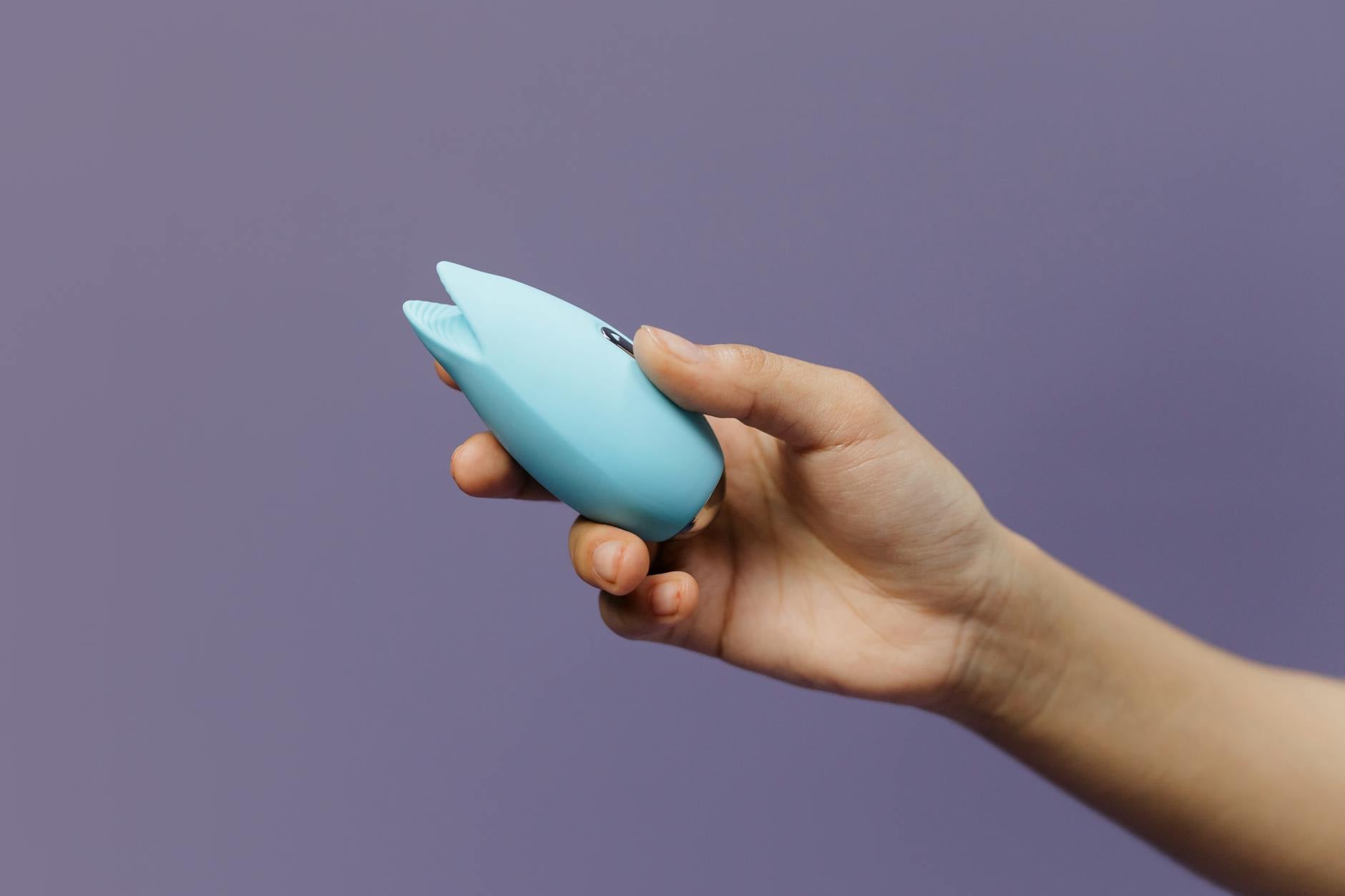
Slowness means: Foreplay that lasts 45 minutes instead of 10. Your body needs time to remember. Arousal after long distance doesn't spike like it does when you're living together. It builds gradually, and it needs runway. This is where a lemon vibrator becomes essential. Solo pleasure has probably been part of your long-distance reality. Using a clitoral vibrator like the Lem together introduces familiar sensation in a new context. It says: "This is what gets you there. Let's explore together."
Exploration means: You're not trying to recreate what worked before. You're discovering what works now. Bodies change. Preferences shift. Long-distance separation actually creates an opportunity: you get to fall into physical intimacy fresh, without muscle memory dictating the script.
How to actually use a lemon vibrator for reunion
If you're using a clitoral vibrator like the Lem for the first time together, here's the practical setup:
Start with conversation. "I've been exploring what feels good while we were apart. I'd like to show you." This reframes the vibrator from "I need extra help" (the shame narrative many people carry) to "This is part of my pleasure, and I want you here for it." That shift changes everything.
When you're ready to use it together, start clothed. Sit together, legs entwined, fully present. Let them hold the vibrator first so they understand the sensation and weight. Many partners worry that toys "replace" them. Letting your partner operate the vibrator for a moment dissolves that fear instantly. They feel the control and the connection.
Then let them explore your body with it slowly. Suction vibrators like lemon clitoral vibrators work differently than traditional vibrators. They don't require speed. Start on the lowest setting, focusing on the sensation of suction and gentle stimulation. There's no rush to intensity. If you're not aroused yet, that's normal. The goal is familiarity, not orgasm. Orgasm might come. It might not tonight. Both are fine.
If you finish and they don't, reciprocate the same way. If they want something different, ask. This builds communication about pleasure that long distance may have interrupted. You've probably been focused on emotional connection during video calls. Rebuilding physical communication is its own conversation.
Managing the emotional undercurrents
Sex after long distance often carries unspoken fear. What if we don't fit anymore? What if you've changed too much? What if the physical attraction isn't the same? These fears are noise. They're normal. And they're quietest when you take the performance pressure off.
If arousal is slow or inconsistent for the first week or two, that's expected. Your parasympathetic nervous system (the "rest and digest" mode where arousal lives) is recalibrating. This isn't worth analyzing or worrying. It's worth waiting through with patience and touch. Use a lemon vibrator for yourself during this time. Remind your body that arousal is still available to you.
If tension shows up between you, name it immediately. "I'm nervous this will be awkward" is so much better left unsaid. Say it. Let your partner say it too. Then you can actually relax.
How to reestablish rhythm together
During the first week back together, you might masturbate more than you have in months. You might also have no desire for sex at all. Both are normal. Your body is learning to exist in shared space again. Solo pleasure wasn't a betrayal during distance. It's not one now either. If you want to use a lemon vibrator alone while your partner is in the next room, do it. Many couples find that rebuilding solo pleasure in shared proximity actually accelerates physical reconnection.
When you do have sex together, focus on presence over performance. Look at your partner. Feel what you actually feel, not what you think you should feel. If it's awkward, let it be awkward. Some of the best reunions I've seen include laughter, restarting, and the kind of tender exploration that only happens when you've been apart long enough to miss each other but not so long that you've become strangers.
The rhythm will return. Sometimes faster, sometimes slower. Long-distance relationships actually teach you something many couples never learn: that sex isn't about momentum. It's about choosing each other repeatedly. When you reunite, you get to keep making that choice.
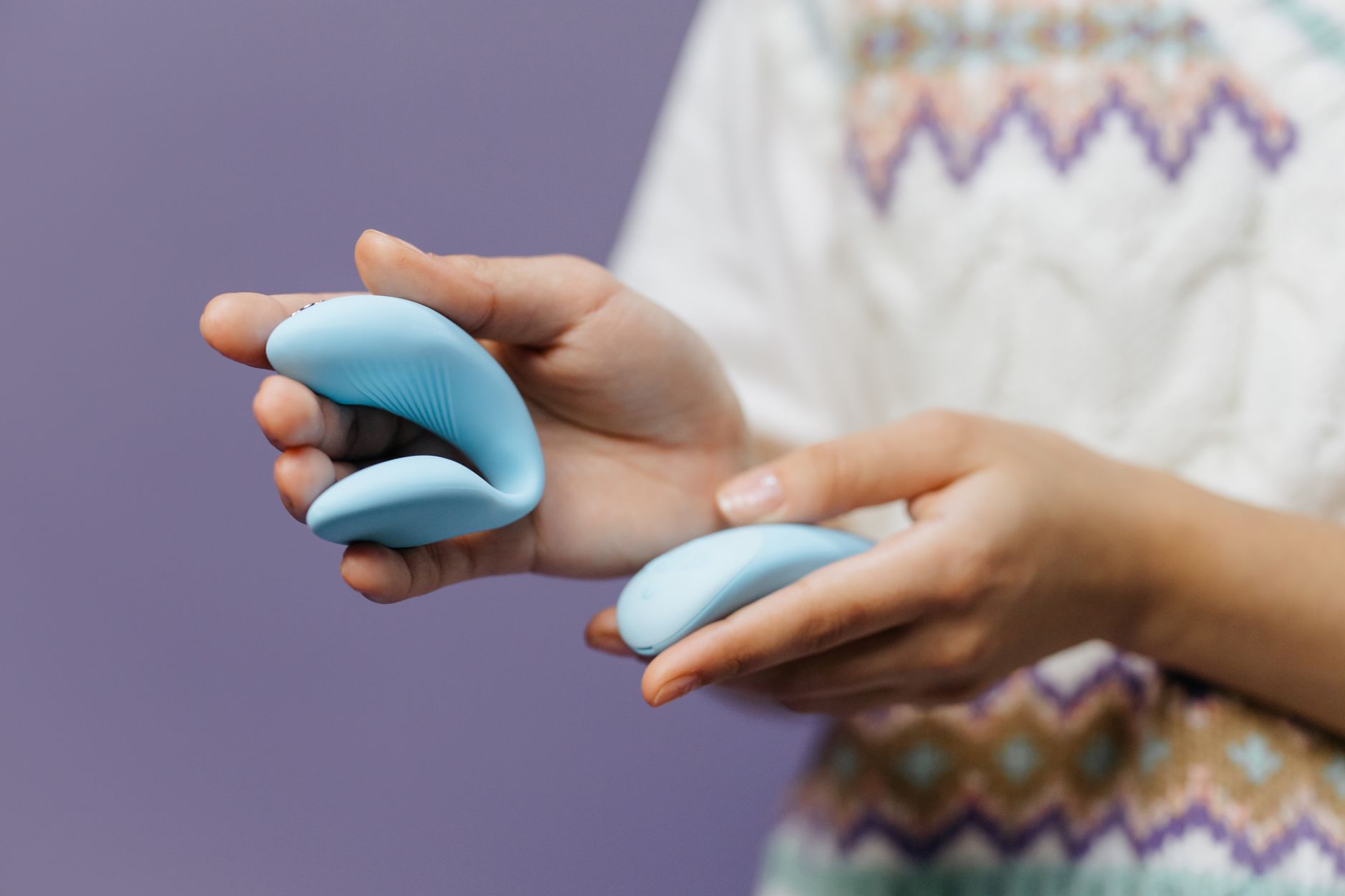
Photo by cottonbro studio on Pexels
FAQ
Should we have sex on the first night of reunion?
Not necessarily. The cultural expectation is intense reconnection sex, but your nervous systems need time to settle. Many couples find that waiting 2-3 days and focusing on conversation and non-sexual touch actually leads to better physical intimacy later. There's no right answer. What matters is what both of you actually want, not what you think you should want.
What if arousal feels different than it did before distance?
It will. Your body has adapted to solo pleasure. Your stress responses may have shifted. Your partner's body has changed too. This is completely normal and not a sign that attraction has faded. Arousal recalibrates over 1-4 weeks of consistent physical proximity. Using a lemon clitoral vibrator can help bridge that gap because familiar sensation in a new context reminds your nervous system that pleasure is still available.
Is using a vibrator together romantic or does it feel clinical?
It's only clinical if you approach it clinically. If you frame it as "let's explore together" and you stay present and curious, it becomes deeply intimate. Many couples actually report feeling closer after introducing vibrators together because it requires communication about pleasure and vulnerability. You're literally showing each other what feels good.
What if my partner feels threatened by the vibrator?
Most partner anxiety comes from the story they're telling themselves, not from the vibrator itself. Before using it, have a conversation: "I've been using this while we were apart. I'd love to show you how it feels because I want to be more present with you." Let them hold it. Let them feel how it works. Then ask them to use it on you. Participation dissolves threat. Most partners realize very quickly that the vibrator isn't a replacement. It's a tool for their partner's pleasure, and their role is enhanced, not diminished.
How long before physical intimacy feels normal again after long distance?
Physical recalibration usually takes 1-3 weeks of living together. The first 2-3 days often feel tentative. By the end of the first week, bodies usually start remembering. By week two, you're often back to something resembling your previous rhythm, though it may feel different and often better because you've been forced to communicate more intentionally. The key is not judging the early awkwardness. It's temporary.
Can we use a lemon vibrator if we've never used toys before?
Absolutely. Long distance actually creates the perfect opening for trying new things because you're both already in a rebuilding mindset. Start with education: show your partner how it works before it ever touches skin. Let them try it on themselves first. This removes mystery and myth. Then use it together with zero expectation of performance. Clitoral vibrators like the Lem are excellent entry points because they're intuitive and don't require a lot of explanation.
What reconnection really looks like
After months or years apart, physical reunion is never exactly what you imagined. It's often better, but differently. Your bodies are older, wiser, more interesting. You've each lived separately. You're rebuilding connection knowing now what you didn't before: that choosing each other is active, not automatic.
Using a lemon vibrator during this reconnection period isn't about fixing awkwardness. It's about creating permission for pleasure and communication when both are fragile. It's a tool that says: "Your body is welcome here. Your pleasure matters. We're learning this together."
The awkwardness will pass. The tenderness often lasts.