Let's talk about what pelvic surgery actually does to pleasure
Hysterectomy, endometriosis excision, fibroid removal, pelvic floor reconstruction. The list of procedures is long, and so is the aftermath of numbness that nobody warns you about. Your surgeon will tell you when it's medically safe to resume sexual activity. They rarely mention that you might feel almost nothing when you do.
This is not a psychological thing. It's not in your head. Pelvic surgery disrupts nerve pathways, causes scar tissue formation, and changes blood flow to sensitive tissue. The clitoris has thousands of nerve endings, and even small changes in surrounding anatomy can muffle the signals your brain receives. Many people describe it as touching themselves through a thick blanket.
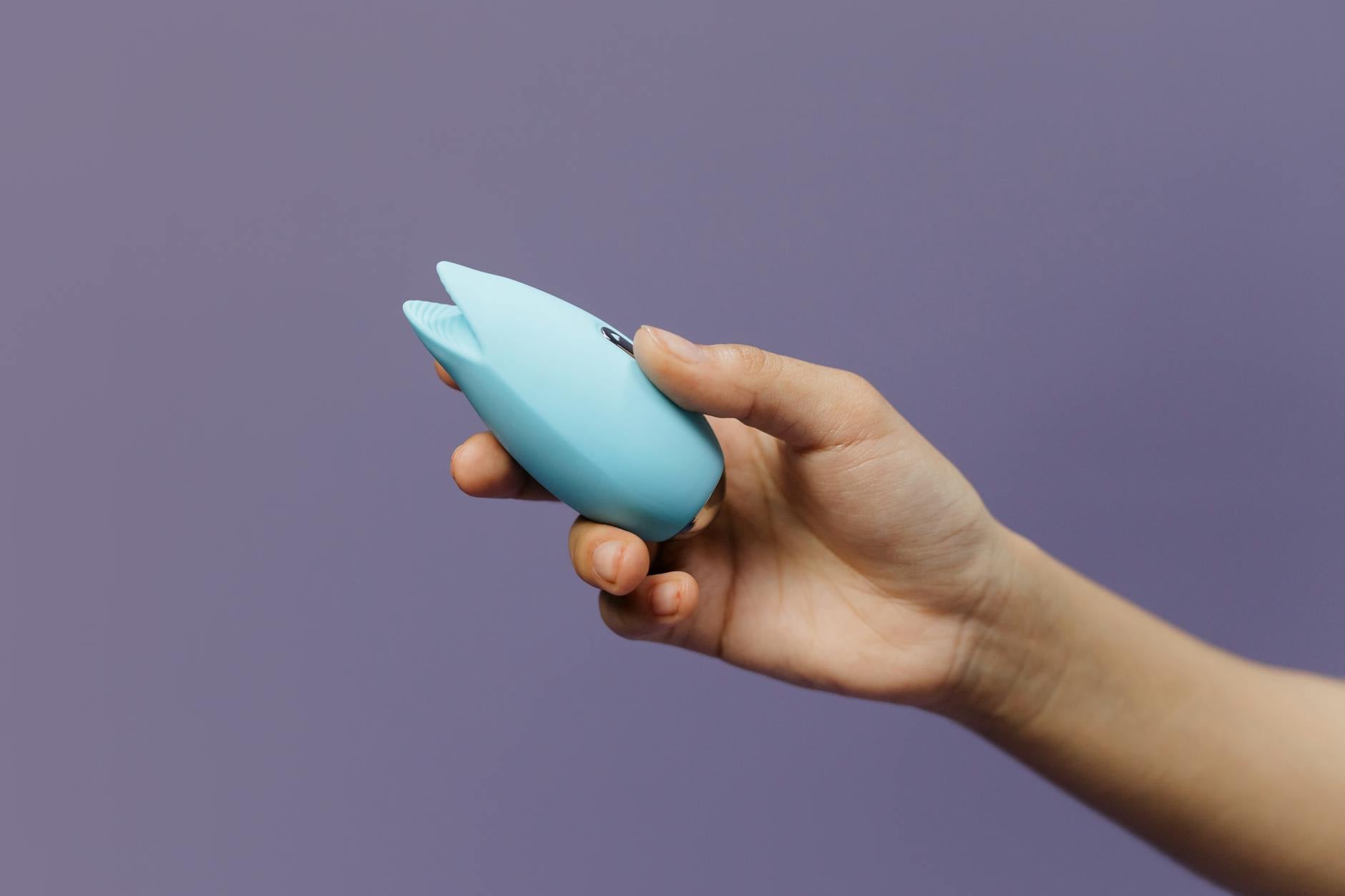
Here's the part that matters: that numbness often softens over time, and it softens faster when you approach sensation deliberately and safely. A lemon clitoral vibrator designed with suction technology works differently than traditional vibration, which means it can help rewaken dormant sensation in a way that won't overwhelm healing tissue.
Why suction changes everything for post-surgery sensation
Traditional vibrators rely on rapid oscillation. They work by friction and direct contact. After pelvic surgery, direct friction can feel uncomfortable, numb, or even painful if scar tissue is still settling. It's like trying to feel texture through mittens and also feeling nothing at all simultaneously.
Suction works on a completely different principle. It stimulates the clitoris by creating gentle rhythmic pressure changes rather than friction. This activates different nerve pathways and can actually feel more localized when sensation is dulled. A lemon vibrator uses this technology to create a sensation profile that sits somewhere between direct stimulation and indirect pressure.
What I've observed in my clients is that this approach frequently restores sensation faster than waiting passively or trying traditional vibrators that cause discomfort. The key is that you're not forcing sensation back. You're gently inviting your nervous system to reengage.
Building your post-surgery sensation timeline
Timing matters enormously here. Your surgeon will clear you for sexual activity at a specific point in recovery. That's the green light for beginning this work, not the signal to dive in at full intensity.
Weeks 1-2 after medical clearance: Focus on awareness without expectation. Hold your lemon vibrator nearby during solo time. Don't use it yet. Let your body remember what anticipation feels like. Spend time touching the external area gently, without the toy. This trains your nervous system to pay attention.
Weeks 3-4: Introduce the vibrator on the lowest setting for no more than 2-3 minutes. The goal is not orgasm. The goal is sensation feedback. Notice what you feel. Tingling, warmth, pressure, numbness, mild discomfort. All of it is data. A lemon sexual toy operating at low intensity is ideal here because it won't overwhelm healing tissue.
Weeks 5+: Gradually increase session length and, if comfortable, intensity. Many people find that numbness begins lifting around week 6-8, though this varies wildly depending on the surgery type and your individual healing.
Scar tissue and sensation recovery
Pelvic surgery creates scar tissue. This is normal, expected, and part of healing. But scar tissue can trap nerve endings or limit blood flow, and that's what causes the blanket-like numbness.
Gentle, consistent stimulation actually helps. It improves blood flow to the area and can help reintegrate nerve pathways that got disrupted during surgery. This is different from aggressive stimulation, which can irritate healing tissue and reinforce the numbness sensation.
Using a lemon clitoral vibrator on lower settings for short, regular sessions is basically a form of gentle nerve re-education. You're reminding your nervous system that pleasure signals should flow to this area again. Over weeks and months, many people report that sensation comes back in waves. A session that felt completely numb might be followed by tingling a few days later.
The patience piece nobody talks about
Here's what makes this hard: you're supposed to wait for sensation to come back while also actively working to bring it back. Both are true. And the waiting part tests almost everyone.
I've worked with clients who felt so discouraged by numbness three weeks post-surgery that they stopped trying. Then six weeks in, sensation suddenly shifted, and they wished they'd kept the process going. Others found that taking breaks actually helped. A week off from the vibrator, then returning, often felt like a reset.
The mental adjustment is as real as the physical one. You might grieve the sensation you had before surgery. You might feel anger about this body change. That's legitimate. It's also separate from the fact that sensation can and often does return when given the right conditions.
Working with your partner during this phase
If you're in a partnered situation, communication shifts during post-surgery recovery. Your partner needs to understand that numbness is not about them. They also need to understand that you're not broken, you're healing, and healing takes time and patience.
Many couples find that introducing a lemon vibrator into partnered sex during this phase actually helps. It removes the pressure for your partner to "do the work" of creating sensation that your body isn't yet able to generate on its own. You can use the vibrator during partnered sex, which means both of you stay engaged without either person having to be the sole focus of effort.
This also buys you time. While sensation is rebuilding, partnered sex doesn't have to feel like a performance. It can be exploration. Presence. Connection without orgasm as the goal.
When numbness isn't improving and what to do
Most people see significant sensation recovery within 3-6 months post-surgery. If you're at the six-month mark and feeling absolutely nothing, it's worth talking to your surgeon or a pelvic floor physical therapist. Sometimes scar tissue needs more targeted intervention. Sometimes nerve damage is more significant than initially assessed.
There are treatments. Pelvic floor therapy specifically designed for post-surgical patients can help retrain nerves and release scar tissue adhesions. Some people benefit from topical treatments that improve blood flow. In rare cases, additional intervention is needed.
The point is that persistent numbness is not a life sentence. It's a signal to bring in reinforcements, not a reason to give up.
Building sensation back isn't linear
You might have a week where you feel almost normal sensation, followed by a week where numbness returns. This is frustrating and also completely normal. Your nervous system is literally rebuilding its connection to this part of your body.
I recommend keeping a simple log. Not for obsessive tracking, but for pattern recognition. Note what you tried, how you felt, what intensity level, and what sensations you noticed. Over weeks, you'll often see a trend emerging even if individual sessions feel discouraging.
Using a lemon vibrator consistently is part of this. So is patience with yourself. So is trusting that sensation often returns when given time, safety, and the right stimulus.
FAQ: Rebuilding sensation after pelvic surgery
Can I use a lemon vibrator immediately after surgery is cleared?
You can, but I'd recommend waiting 2-3 weeks after medical clearance before introducing the toy itself. Your body needs time to adjust to sensation awareness before you add stimulation. Start with awareness and gentle touch, then introduce the vibrator on the lowest setting once your nervous system is primed.
How long does post-surgery numbness usually last?
It varies based on surgery type, extent of nerve disruption, and individual healing. Most people see noticeable improvement within 6-12 weeks. Full sensation often takes 6 months or longer. This isn't a failure. This is normal nervous system re-education.
Will numbness ever fully go away?
For most people, yes. Some people report that sensation feels slightly different than it did before surgery, which is also normal. The tissue, scar patterns, and nerve pathways have changed, so sensation profile shifts slightly. This doesn't mean it's worse. Often it's just different.
Is it normal to feel pain mixed with numbness?
Yes. You might have areas of numbness alongside areas of heightened sensitivity or pain. This is called altered sensation, and it happens because different nerve pathways are healing at different rates. If pain is significant or worsening weeks into recovery, mention it to your surgeon. Mild discomfort or tingling often softens as healing progresses.
Does using a lemon clitoral vibrator too much slow down sensation recovery?
Consistent, gentle use actually helps. What slows recovery is aggressive stimulation or the opposite extreme: total avoidance. Your nervous system needs signal practice. Using a vibrator on low-to-medium intensity for regular short sessions is more helpful than either pushing too hard or avoiding stimulation entirely.
What if I use a lemon vibrator and feel nothing at all?
Feeling nothing is not failure. It's baseline data. That baseline often shifts over weeks. Some clients report that feeling nothing while using a lemon vibrator on low intensity was actually less discouraging than trying manual stimulation. The toy creates a consistent pressure that doesn't require them to feel discouraged by their own touch not working.
Recovery from pelvic surgery is a specific kind of patience. Your body isn't broken. It's redirecting its resources toward healing. The numbness you're feeling now is temporary, even when it doesn't feel that way. A lemon vibrator designed with suction technology is one tool that can help rewaken sensation safely while your body does the deeper work of nerve regeneration and tissue remodeling. If you're struggling with this phase of recovery, consider reaching out to a pelvic floor specialist or therapist who can provide personalized guidance for your specific surgery and healing timeline. Visit us at Lemon Vibrator Shop to explore tools designed specifically for sensitivity recovery, or contact us if you'd like guidance on getting started.