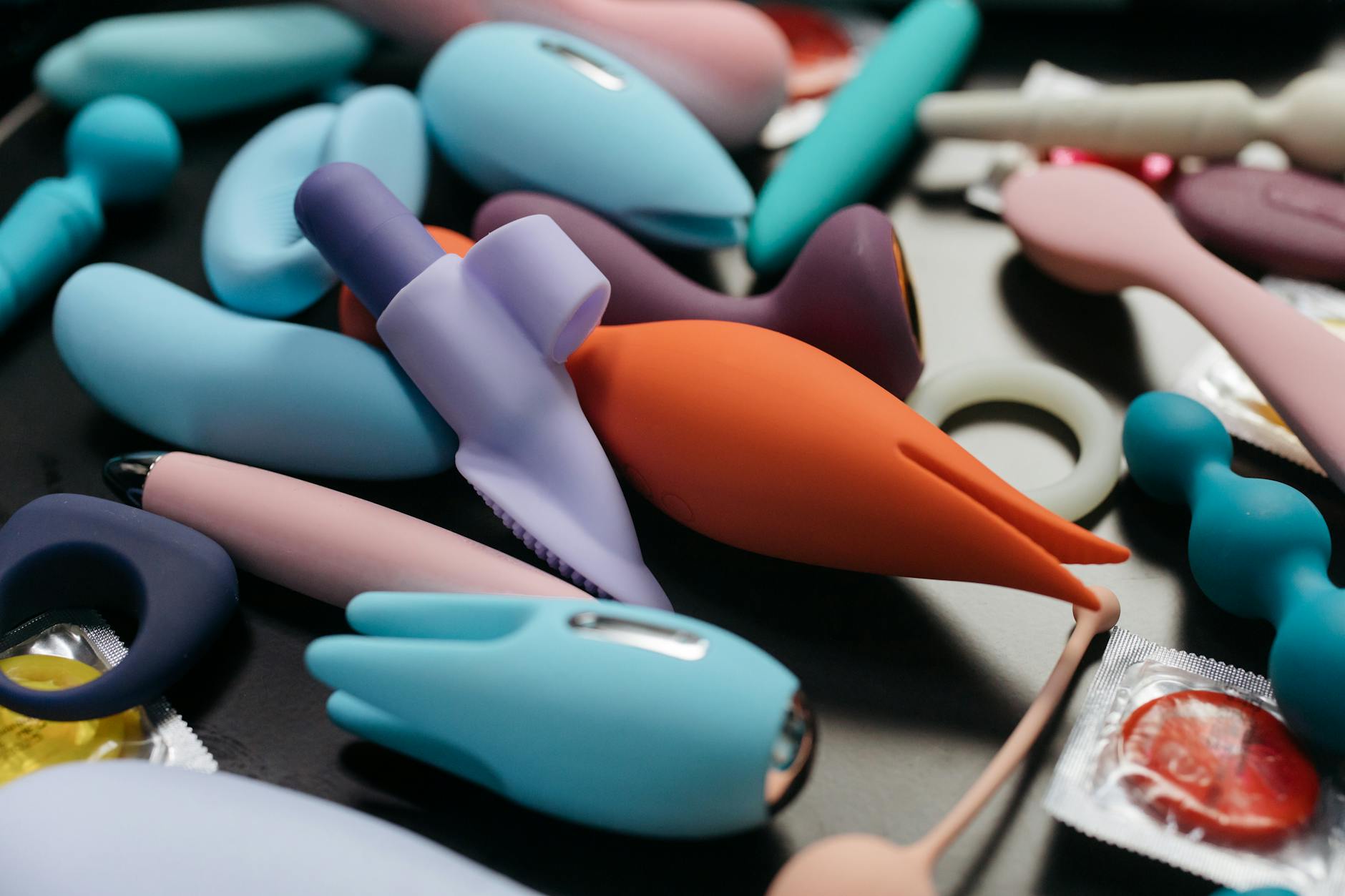
The thing nobody tells you about long-term relationships
Physical drift doesn't start in the bedroom. It starts in the kitchen, the car, the space between you on the couch. By the time you're thinking about toys, you're usually already feeling the distance.
This is the moment most couples either don't act at all, or they overcorrect. They buy something flashy, suggest it tentatively, feel rejected when their partner flinches, and never bring it up again. That's not how reconnection works.
Why lemon vibrators specifically matter here
When a couple has drifted, the last thing you need is something that feels clinical or performative. Lemon clitoral vibrators like the Lem are designed for pleasure that feels gentle and intuitive, not intimidating. They're not shaped like a threat. They're designed with the kind of suction technology that integrates into partnered sex naturally, rather than replacing the partner.
That distinction is crucial. You're not buying a toy to do the job better. You're buying a tool that says: "I want to feel good with you. Will you help?"
The design matters because it changes the conversation you're actually having.
How to introduce it without triggering defensiveness
Here's what doesn't work: springing it on someone during sex, leaving it on the nightstand as a hint, or framing it as "I need this because you're not enough."
What works is timing and narrative. Pick a calm moment outside the bedroom. Not mid-conflict, not during foreplay. Maybe over coffee, or during a walk. The tone should match your normal conversation, not shift into vulnerability theater.
Try something like: "I've been thinking about us, and I want to feel closer. I read about this thing that might help us both enjoy more. Want to look at it together?" Notice what's missing: apologizing, over-explaining, making it weird. You're stating a fact and inviting participation.
Show them a photo or a video. Let them see it's not intimidating. Answer questions directly. "Will it hurt?" No. "Will it replace you?" No, the opposite. "Can we try it slowly?" Absolutely.
The mechanics of starting together
First time should not be a main event. It's a conversation that happens during sex, not the entire point of it.
Start with normal foreplay. Build arousal the way you always do. Then, when things are warm and open, introduce the lemon vibrator as an addition, not a replacement. Let them control the intensity. Start at the lowest setting.
For the receiving partner: communicate what feels good. "A little higher," "slower," "right there." This isn't lazy; it's data.
For the partner wielding it: you're learning your partner's body in a new way. Pay attention to their breath, their movement, what makes them quiet. This is foreplay, not a race to orgasm.
Many couples find that using a lemon clitoral vibrator together shifts something psychologically. There's less performance pressure, because the focus isn't on one person doing the work. You're collaborating.
When the distance is really deep
If you haven't had sex in months or years, a vibrator won't fix the underlying problem. But it might create the opening that makes the bigger conversation possible.
Sometimes couples need to talk first: Why did we stop? Is there resentment I haven't named? Am I angry? Do I feel unseen? These aren't sexy conversations, but they're necessary ones.
If you're using a lemon vibrator as a band-aid for a broken relationship, you'll feel it. The toy becomes another source of tension instead of relief.
But if there's still affection underneath the drift, if you both want to reconnect but don't know how, a lemon clitoral vibrator can be the thing that gives you permission to start again.
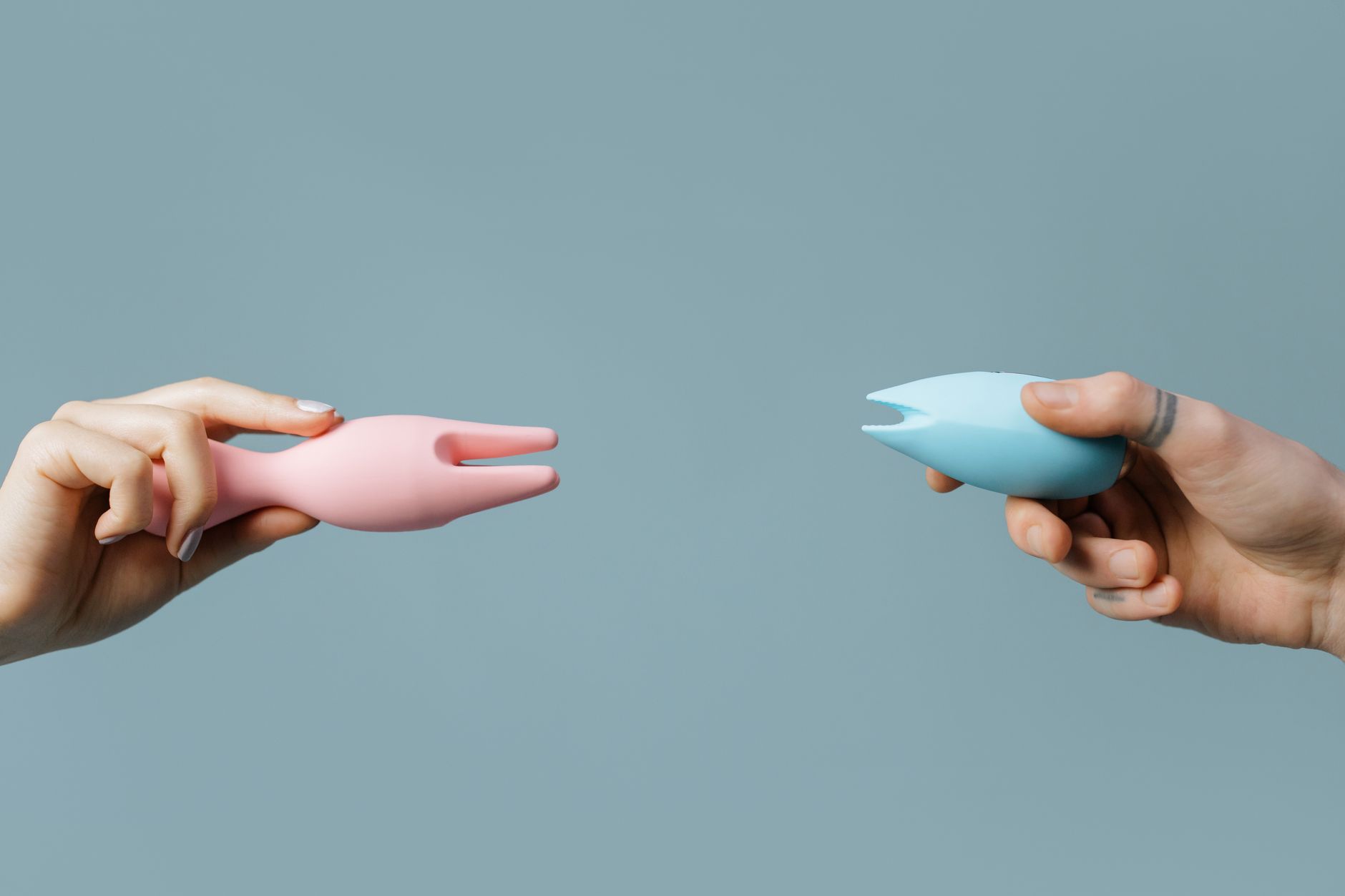
Photo by cottonbro studio on Pexels
What changes after you introduce it
Some couples use it every time. Others, not so much. But something shifts: you've broken the ice. You've said "I want this for us" out loud, and you survived it. That matters more than the toy itself.
The second time is easier. The third time, you might laugh about the first time. Laughter during sex is wildly underrated. It's a sign you're not taking yourself too seriously, and that you trust each other enough to be a little awkward.
You might find that you want to explore together more. More conversation about what feels good. More trying things. That's the real win.
How long-term partners actually use lemon vibrators together
After the initial reconnection, couples tend to fall into patterns. Some use it during partner sex as an addition. Some use it as foreplay while they're kissing or touching each other. Some use it when one partner has been working and is tired, and wants pleasure without the intensity of full sex.
None of these is wrong. The tool works because it's flexible.
What I notice clinically is that couples who introduce any kind of toy together report higher satisfaction not just with sex, but with communication overall. When you can say "I want this in the bedroom," it becomes easier to say "I want this in the rest of our life too."
The stuff no one talks about
Your partner might love it immediately. They might need time to warm up. They might surprise you and want to use it in ways you didn't expect. They might be uncomfortable for a few tries and then relax. All of this is normal.
If they say no and mean it, that's information. It's not rejection of you. It might be a boundary, or fear, or just not their thing. That's worth understanding, not dismissing.
Also: lemon clitoral vibrators require lube. Water-based, always. This isn't a minor detail. Proper lubrication makes the whole experience smoother (literally), and shows you're thinking about comfort, not just results.
Charging and maintenance matter too. Nothing kills spontaneity like "wait, the battery is dead." Keep it charged. Keep it clean. Treat it like something you care about, and your partner will notice.
When to get a real therapist involved
If you're drifting because of deeper issues—infidelity, unresolved conflict, contempt, emotional withdrawal—a lemon vibrator won't solve that. You'll need to talk to someone. Many couples therapists now integrate conversations about sexuality and desire into regular sessions.
What a therapist can do is help you figure out whether this drift is a phase both of you want to move through, or whether you've grown in different directions. That clarity matters before you buy anything.
A vibrator is a tool for couples who want to reconnect. It's not a fix for couples who need to break up.
The permission part
Most of my clients who introduce a lemon clitoral vibrator into their relationship say the same thing: "I didn't realize how much I needed permission to want this." Not permission from a partner, exactly. Permission from themselves. Permission to say pleasure matters. Permission to try something new at 45, or 55, or 65. Permission to ask for what they want.
That's what a toy can give you if you let it. Not an orgasm (though maybe that too). A moment where you stop apologizing for wanting to feel good.
Start the conversation. Be honest. Listen. Try it slowly. See what happens. The outcome matters less than the fact that you tried.