Desire doesn't disappear after loss. It stalls.
Here's what nobody tells you: grief doesn't kill your sexuality. It freezes it. Your body goes quiet, your interest flattens, and you might spend weeks or months wondering if pleasure is ever coming back. It is. But the timeline isn't linear, and pushing it only makes the quiet louder.
I've worked with countless clients navigating this exact space. A parent dies. A relationship ends. A health crisis passes. A career implodes. In each case, the person looks down one day and realizes their desire has gone somewhere they can't quite locate. That's not abnormal. That's grief doing what grief does. And it doesn't mean you're broken.
What grief actually does to arousal
Loss triggers a cascade of changes in the body that has nothing to do with want. Your nervous system shifts into a protective state. Cortisol rises. Your pelvic floor tightens. Blood flow redirects away from pleasure zones and toward survival zones. Meanwhile, your brain is processing the loss itself. Desire lives downstream from all of that. It comes after your nervous system feels safe enough to think about anything but the thing you lost.
This is important: grief arousal isn't weak arousal. It's absent arousal. There's a difference. Weakness suggests something is working but underperforming. Absence means your body has temporarily redirected its resources. The machinery is fine. It's just not currently online.
What makes this harder is that many people interpret this as a sign they've changed permanently. "I used to want things. Now I don't. Maybe I never will again." That thought becomes another layer of grief, which makes arousal even harder to access. The spiral is real.
Why desire returns in waves, not floods
After loss, arousal doesn't show up like it used to. It trickles. One day you notice a flicker of interest. Three days later it's gone. A week passes with nothing, then suddenly you feel a spark while reading, or in a quiet moment, or completely randomly. The waves are real, but they're fragile. They break easily under pressure.
That fragility is actually information. Your nervous system is telling you it's starting to feel safe enough to want things again. That's progress. It doesn't feel like progress, but it is.
Many people respond to those first waves by pushing. They think, "Oh good, desire is back, I should act on it immediately." Then they get disappointed because the wave breaks before they've built anything. So they stop trying altogether. What actually helps is doing the opposite: noticing the wave, riding it gently, and letting it teach you what your body needs to feel safe enough to want things.
How lemon clitoral vibrators fit into this timeline
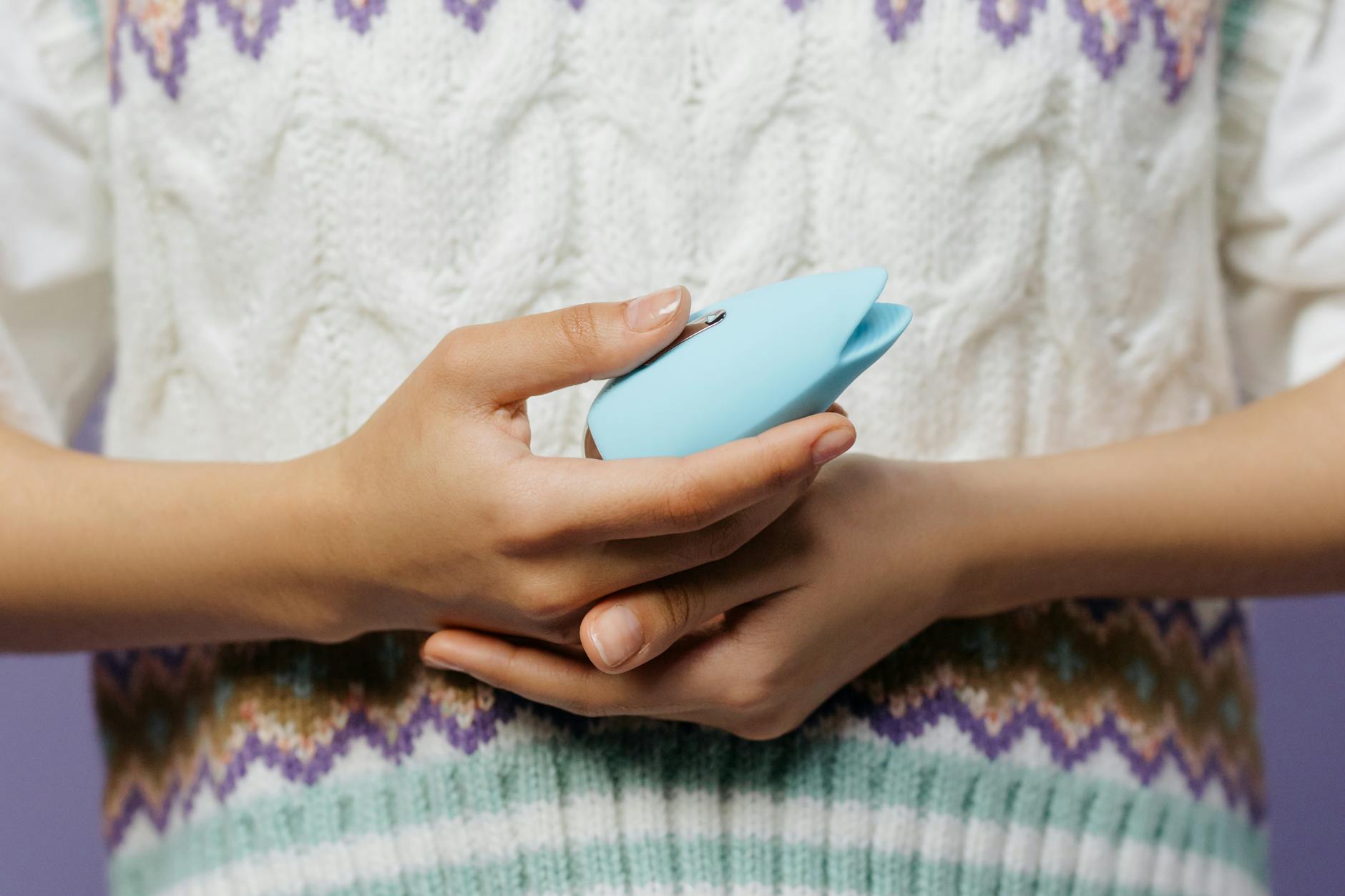
Here's where a tool like a lemon vibrator becomes genuinely useful. After loss, your nervous system needs permission to feel good without stakes. A partner can introduce stakes (performance, connection, expectation). Partnered sex can feel like responsibility when what you need is safety.
A lemon clitoral vibrator removes all of that. You're not performing for anyone. There's no rhythm to match. You're not accessing intimacy with another person while you're still trying to grieve. You're just exploring sensation on your own timeline.
Lemon vibrators work particularly well for this because the suction mechanism is gentle and precise. You don't need to build to intense pressure. You can start at a lower pattern, feel what happens, and pull back without any awkwardness. The focus is on steady, predictable sensation. That's exactly what a recovering nervous system needs.
Start with pattern 1 or 2. Spend time there. Not because you need to "work up" to something bigger, but because slow sensation is how you rebuild trust in your body. You're teaching your nervous system that pleasure is safe again.
The permission piece (and why it matters more than the tool)
The most important thing I tell clients after loss is this: pleasure doesn't require grief to be fully processed. You don't have to wait until you're "ready" or "healed." Those are myths. Healing and pleasure happen simultaneously, not sequentially.
But that only works if you actually give yourself permission. And most people don't. They feel a flicker of desire and immediately squash it with guilt ("How can I want this when...?") or worry ("What if I'm not ready?") or obligation ("My partner will expect this to lead somewhere").
Using a lemon vibrator privately and without narrative is an act of self-permission. You're not trying to fix yourself. You're not checking a box on healing. You're just saying: my body deserves to feel good, and I'm going to let it.
That permission is half the work. The actual sensation is the other half.
The timeline nobody warns you about
Here's what slow-returning desire actually looks like:
Weeks 1-4 after the loss: Nothing. This is normal. Your body is in shock.
Weeks 4-12: Occasional flickers. Maybe you notice interest for a moment, then it's gone. Noticing is enough.
Months 3-6: More consistent flickers, but still fragmented. You might have one good session and then nothing for two weeks. That's still healing.
Months 6-12: Waves instead of flickers. Arousal starts returning for longer stretches. You might feel disappointed that it's not fully back yet. It's closer.
Year 1 and beyond: Desire returns, usually transformed. Not the same as before (because you're not the same), but functional and pleasurable again.
There are always exceptions. Some people cycle through this in three months. Others take two years. Both are normal. Your timeline isn't failing just because it doesn't match someone else's.
What to do when pleasure feels boring or wrong
Sometimes when desire starts returning after loss, it feels hollow. Like you're going through the motions but nothing's landing. That's common, and it has a name: anhedonia. Loss flattens reward sensation. Your brain chemistry is still recalibrating. Pleasure might feel muted, or even uncomfortable.
If that's happening, don't push harder. Back off. A lemon vibrator is useful here because you can experiment with it in small doses. Five minutes. A single pattern. No goal except to notice what you notice. You're not trying to feel amazing. You're just gathering information about what your body needs.
Give it time. Anhedonia after loss usually lifts on its own as your nervous system stabilizes. Forcing pleasure makes it stick around longer.
When to bring a partner back in
If you're in a relationship, this is complicated. Your partner is grieving too, maybe, or they're waiting for you to be ready, or they're worried about what your silence means. That creates pressure, even if it's unspoken.
Private exploration with a lemon vibrator gives you two things: it rebuilds your own capacity for pleasure, and it takes pressure off your partner. You're no longer the only person responsible for the couple's sexual connection. You're both tending to it, separately and at your own pace.
When you do bring a partner back into sexual connection, do it slowly. Maybe it starts as closeness without sex. Maybe it's being present in the same room while you use a lemon vibrator. Maybe it's sharing what you've noticed about your own return to desire. The tool isn't about performance. It's about rebuilding trust in sensation together.
The grief that lives alongside good sensations
One last thing: it's completely possible to feel grief and pleasure in the same moment. You might have a moment of real arousal and then remember what you lost, and both feelings exist at once. That doesn't mean you're doing it wrong. That's just being human after loss.
Your body can want things while your heart is still mending. Pleasure doesn't betray grief. It lives alongside it. And slowly, as months pass, the pleasure gets a little louder and the grief gets a little quieter. Not gone. But quieter.
Using lemon clitoral vibrators during this time isn't about rushing the process. It's about giving yourself permission to feel good while you're healing. Your pleasure matters, even now. Especially now.