Let's name the trap you're in
You've internalized a story. It goes like this: if your partner doesn't come, something is wrong with you. Your body isn't the right shape. Your technique isn't good enough. You're not attractive enough to turn them on, not skilled enough to keep them there, not enough, period.
So you've spent years trying to fix it. You've read articles, changed positions, watched videos, asked what they want (and then felt ashamed when the answer changes). You've blamed yourself for their numbness after medication. You've held your breath waiting for signs of arousal. You've learned to read their body better than your own.
Here's what I see in my practice, over and over: the person who's made their partner's orgasm their job has stopped having reliable access to their own.
The confidence cost no one mentions
When you're managing someone else's pleasure, your nervous system is focused outward. You're scanning for signs of arousal, reading micro-expressions, tracking rhythm changes, mentally troubleshooting. Your own sensations get pushed to the background. Over time, not just in the moment but in how you think about yourself, you start to believe you're not actually that pleasurable on your own.
This is almost always the opposite of true.
The brain doesn't distinguish between "I'm focused on my partner" and "I'm not capable of pleasure." Both look the same from the inside. Both create the same neural pattern: attention = value. So when you've trained yourself to attend to their body, your nervous system learns that your pleasure doesn't matter enough to pay attention to.
When your partner's orgasm becomes a referendum on your worth, penetration stops being an experience. It becomes a performance metric. And the moment performance becomes the goal, ease disappears.
Why lemon vibrators work differently here
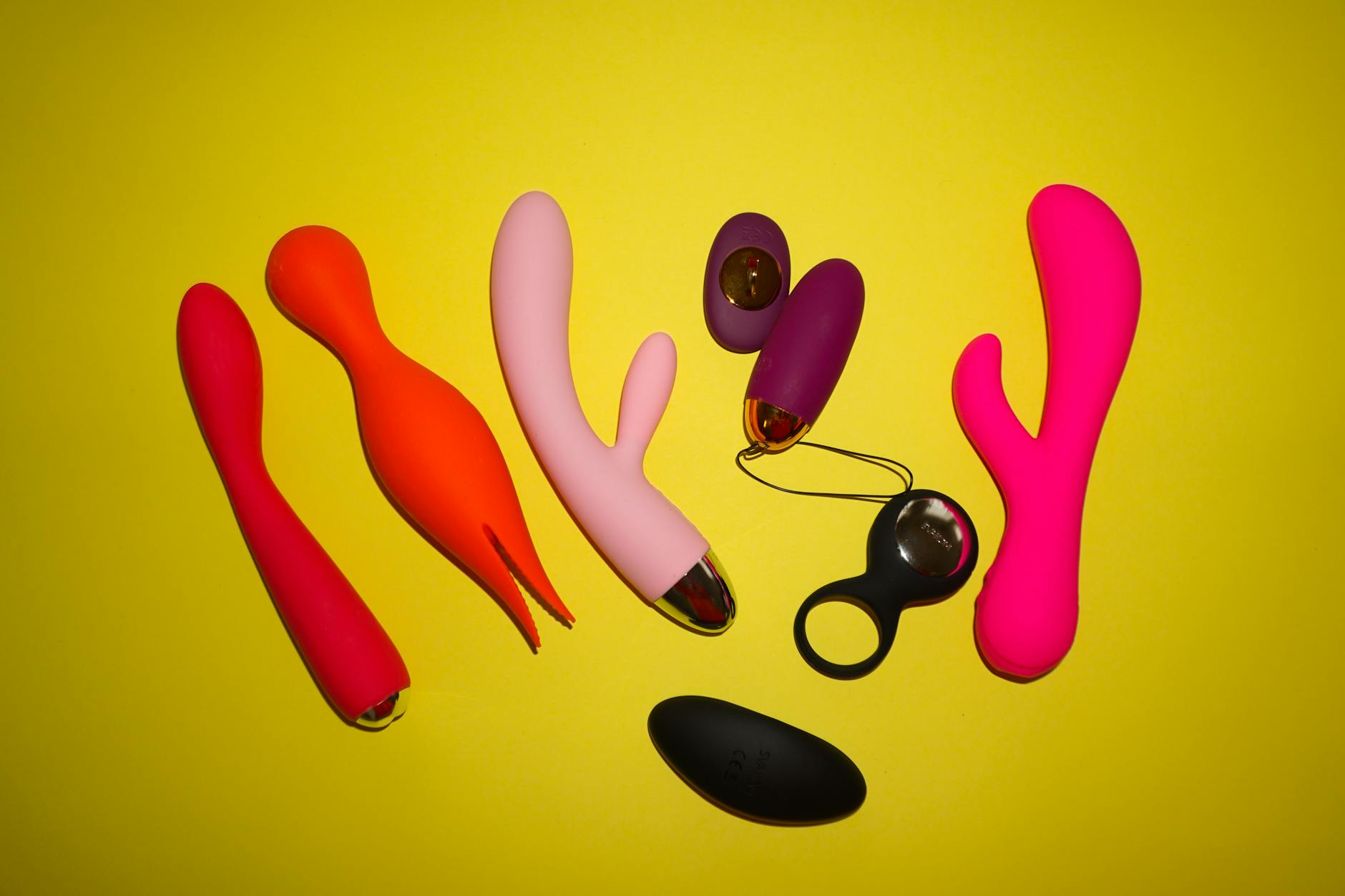
A lemon clitoral vibrator, particularly a suction-style toy like those in the Lemon Vibrator Shop collection, does something specific: it forces your focus back to your own sensation.
You can't effectively use a lemon vibrator while managing someone else's pleasure. The concentration required, the specificity of the stimulation, the rhythm you need to find, all of it demands that you attend to your own body. You have to notice what pressure feels good. You have to stay present with your own arousal arc instead of tracking theirs.
That's not a limitation. That's the mechanism that breaks the pattern.
Reframing what pleasure is for
First, separate the two conversations completely. "I want us to connect" is not the same as "I want to focus on my orgasm." You can be intimate with a partner and also be selfish about your own pleasure. These are not mutually exclusive.
Second, understand that your pleasure is not a tool for their pleasure. It's not something you offer them. It's something you deserve, independent of whether they benefit from it. This sounds obvious when you read it. It's not obvious to someone who's been managing someone else's arousal for years.
Third, start small. If you've been performance-focused for a long time, solo exploration with a lemon vibrator might feel more accessible than partnered sex. That's not a failure. That's a strategic reset.
How to actually use a lemon vibrator to rebuild confidence
Start with solo sessions first. Block 20 minutes when you're alone. No phone, no performance goal, no outcome requirement. The only success metric is: did I notice my own sensations?
Begin at a lower intensity setting on your lemon sexual toy. The suction-style stimulation of lemon vibrators is different from what you might be used to. It's concentrated, it's localized, it requires less surface area awareness. That specificity helps you dial in what actually feels good for you, not what you think should feel good.
Notice without judgment. As you use the lemon clitoral vibrator, your job is to observe. Does this feel good? Too intense? Just right? What happens if you angle it differently? What about rhythm? Does constant intensity work, or do you want variation?
These are the questions you should have been asking yourself all along. The lemon vibrator is just the tool that makes asking feel safe, because there's no one else's response to monitor.
Build from sensation to arousal. Many people who've been managing their partner's pleasure report that they've lost touch with their own arousal signals. You might not notice when you're getting turned on. You might not know what rhythm sustains your arousal. A lemon vibrator helps you learn this language again, solo.
Then introduce it to your partnership, if you want to. If and when you bring a lemon vibrator into partnered sex, the frame is different now. You're not using it to "make sure" they stay interested. You're using it for your own pleasure. They can watch, they can touch you elsewhere, they can take notes on what works, but the vibrator is about you.
This shifts the entire dynamic. Their job is no longer to orgasm. Their job is to be present while you pursue your own pleasure. That's radically different from the performance model you've been living in.
What changes when you stop managing their body
When you reclaim responsibility for your own pleasure, something unexpected happens: you become more attractive. Not because your body changed. Because you're present. You're not performing. You're not anxious. You're experiencing something, and your partner can feel that.
People with confident pleasure are more arousing to be around than people trying to manufacture arousal in someone else. It's not even close.
You also become more honest about what you actually want. When you're not spending all your mental energy on their body, you can articulate your own needs. "I want us to focus on me tonight," suddenly feels possible instead of selfish. "I want to try this," feels like exploration instead of performance.
The moment you stop managing your partner's pleasure, you become the most interesting person in the room to them.
The conversation with your partner
If you've been the one managing their pleasure, they might not even realize it. They might assume you're fine because you haven't explicitly told them you're not. Or they might have noticed that something is off but not understood what.
This conversation is not about blame. It's about honesty. "I've been focused on your pleasure for so long that I've lost track of my own. I want to change that. I want to use this time to rediscover what I like. I want you to be present while I do that, but not responsible for managing my arousal."
A good partner will hear this as relief. They don't want to be your pleasure project any more than you want to be theirs.
When to get professional support
If you've spent years managing your partner's pleasure and you've lost significant confidence in your own, a sex-positive therapist can be genuinely valuable. Not because something is wrong with you, but because the pattern is deep, and undoing it sometimes requires support.
Similarly, if bringing this topic up with your partner leads to defensiveness or dismissal, that's useful information. Their reaction isn't about the lemon vibrator. It's about whether they're willing to let you be centered in your own pleasure. That matters for the rest of your relationship too.
A note on solo pleasure
If you end up preferring solo pleasure with your lemon vibrator to partnered sex, that's also information worth respecting. Not every partnership survives the moment when both people start being honest about what they actually want. But partnerships that do are so much better.
Lemon vibrators aren't magic. But they do make it harder to ignore your own sensation, harder to keep managing someone else's body, harder to stay small. And sometimes that's exactly what confidence needs to rebuild.