
How to Use Lemon Vibrators When Sensation Changes During Relationship Transitions
Let's be real. When your life shifts—a move, a job change, blended family dynamics, or just the wearing of years together—your body often shifts with it. The thing that used to feel amazing might feel meh. Or nothing at all. And that's not a sign you're broken. It's a sign you need different input for the nervous system you have right now.
Here's what I see in my practice: people assume sensation loss means desire is gone. Wrong. It usually means your body is processing something else entirely. Stress lives in your nervous system. So does joy, anticipation, safety, trust. When those foundations shake, sensation often goes quiet first.
Lemon clitoral vibrators work differently than fingers or partners because they bypass the need for arousal to arrive first. They create the sensation that can actually build arousal. That's the game-changer during transitions.
Why transitions flatten sensation in the first place
Your nervous system has two jobs during upheaval: protect you and keep you functional. Pleasure is low on that priority list. When you're managing a new living situation, a stepchild's homework conflict, or just the grief of life looking different than planned, your clitoris isn't getting much blood flow. Your brain is running 47 background processes instead of being present in your body.
This isn't psychological failure. It's biology doing its job.
Add in the physical reality. Life transitions often mean less sleep, more stress cortisol, different hormones, sometimes less touch in the relationship itself. Your tissue becomes less responsive not because something is wrong but because the conditions that create responsiveness have changed.
The solution isn't willpower or communication workshops alone. Sometimes the solution is a lemon vibrator.
How suction changes the game during transition periods
Lemon clitoral vibrators use air-suction technology rather than conventional vibration. This matters hugely when sensation feels numb or unreachable. Suction doesn't require your body to be in full arousal mode first. It creates a gentle pressure that builds sensation progressively, which actually trains your nervous system back online.
When you're stressed, your pelvic floor tightens. Your clitoris pulls inward protectively. A traditional vibrator might feel scratchy or one-note against that defended tissue. Lemon's suction works with your body's protective response instead of against it. It wakes up nerve endings without forcing.
I recommend starting at the lowest setting—usually pattern 1 or 2 on the Lem. Spend five to ten minutes just exploring without goal. The goal isn't orgasm. The goal is sensation. Can you feel the pressure? Does it change as you adjust the angle? This recalibration is doing real neurological work.
Setting up the transition-era pleasure practice
Here's the framework I walk my clients through:
First: Separate solo exploration from partner intimacy. During transitions, couples often collapse these two things. "We need to have sex to feel close" becomes the only narrative. But what you actually need is to remember that your body can feel pleasure independent of whether anything else is happening. This is the real gift of solo practice with lemon vibrators. Use your Lem three to five times a week, alone, with no partner expectation attached. Twenty minutes, same time if possible. Your nervous system loves ritual.
Second: Go slow with reintroduction. After two to three weeks of solo reconnection, you can invite your partner to be present (not participating—just aware). Later, you can explore together. But the sequence matters. You rebuild your own sensation first.
Third: Talk before, not after. The conversation about changes in intimacy should happen clothed, over tea, not mid-attempt. "My body feels different since [move/kid/job change]. I'm using a lemon vibrator to figure out what feels good now. This isn't about you, it's about me recalibrating." That clarity prevents so much shame and misunderstanding.
Common patterns I see during major transitions
After a relocation, many people report that sensation takes two to four months to fully return. Your nervous system needs to feel safe in a new space. Using lemon vibrators during this period actually accelerates that safety-building. You're literally sending your body the signal: "We're okay, pleasure is still available."
When blended families arrive, sexual frequency often drops because the logistics are harder and the stress is real. Partners sometimes interpret this as a relationship problem when it's actually just Tuesday during a major life reorganization. The couples who handle this best use lemon vibrators individually, without shame, while also slowly rebuilding couple intimacy. It removes the pressure that usually sabotages reconnection.
After one partner experiences a significant health event or loss, touch often feels too tender or complicated. This is where suction tools like the Lem become especially useful. They create controlled, gentle stimulation that doesn't require the vulnerability of partner touch immediately. It's a bridge practice.
Using lemon vibrators to rebuild partner intimacy
Here's the thing about couples and transitions: you both changed, but not necessarily at the same speed or in the same direction. One person might be excited about the move. The other is grieving the old home. One is focused on new job stress. The other feels left behind emotionally.
When you introduce a lemon clitoral vibrator into partner time, it actually solves a coordination problem. Instead of partners having to guess what feels good, or for the person with a vulva to manage arousal while also managing their partner's feelings about not being "enough," the vibrator becomes a neutral third party. It gives sensation independent of whose touch is doing the touching.
I suggest: use your lemon vibrator solo until you feel confident in what patterns and speeds work. Then, during partner intimacy, either use it alone while your partner watches (which many people find intensely connecting—they get to see what brings you pleasure), or let your partner hold it while you direct. The positioning and speed remain in your control. That autonomy is essential during periods when trust or confidence feels fragile.
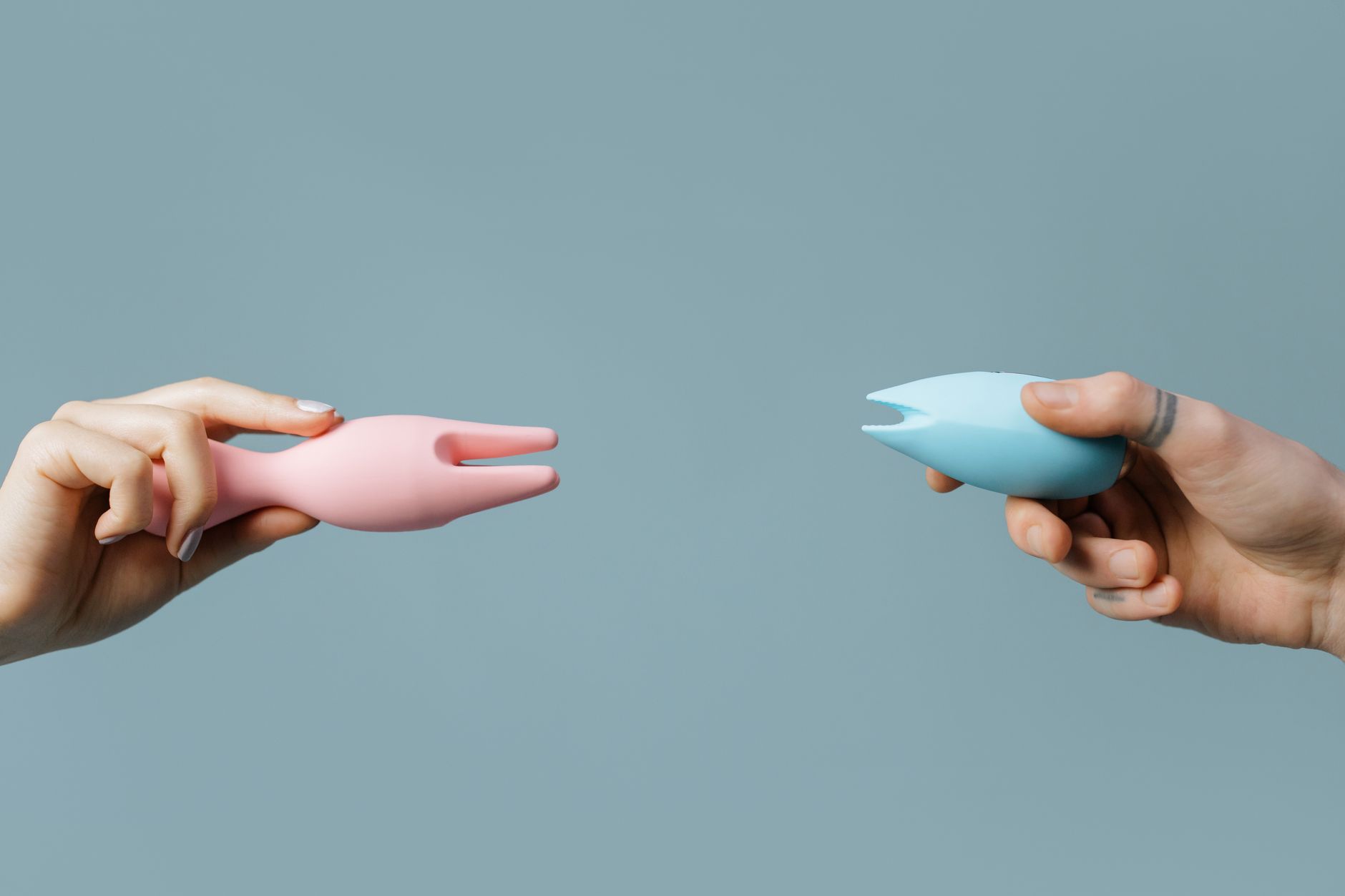
Photo by cottonbro studio on Pexels
The conversation to have with your partner
If you're in a relationship, your partner probably noticed the shift in intimacy before you had the language for it. Here's what works:
"I've realized that our life changed in ways my body is still adjusting to. I want to rebuild pleasure for myself—not because anything is wrong between us, but because I deserve to feel good again. I'm using a lemon vibrator to reconnect with sensation. This isn't about replacing you. It's about me getting back online so that when we do connect, I'm actually present instead of checked out."
Most partners respond with relief. Finally, someone is doing something about the tension instead of pretending it doesn't exist.
If your partner expresses insecurity ("Does this mean you don't want me?"), the answer is: "No. It means I need to remember how my body works so I can meet you from a better place." That's true. And it's also protecting both of you from the pressure-spiral that kills more relationships than anything else.
When to add lubrication to your practice
During transitions, lubrication needs often change. Stress can reduce natural lubrication. Some people find they need more. Water-based lubricant is your safest option with silicone toys like the Lem. Apply it generously before you start, and reapply during longer sessions.
Lube is not a sign of failure. It's a tool that acknowledges your nervous system is managing a lot right now. Your body doesn't owe spontaneous arousal to anyone, especially not to itself.
When sensation still isn't returning after a few weeks
If you've been using lemon vibrators consistently for three to four weeks and sensation still feels completely absent, check a few things. Are you actually resting? Transitions require mental energy that compounds. You might need more sleep before pleasure returns. Is your nervous system safe in other ways—do you trust the new situation, have you unpacked the old grief? Sometimes sensation waits for that emotional work.
If those boxes check out and nothing has shifted, consider talking to a therapist who specializes in relationship transitions, or a doctor if you suspect hormonal changes. Antidepressants, birth control shifts, and other medical factors can genuinely affect sensation. That's not something a vibrator alone can fix, though it can certainly help once the underlying cause is addressed.
The timeline to expect
Most people report measurable improvement in sensation within two to three weeks of consistent solo practice with a lemon vibrator. Full return to baseline usually takes four to eight weeks, depending on how major the transition was.
Be patient with yourself. Your body isn't resisting pleasure. It's processing massive change. Using a clitoral vibrator during this period is how you tell your nervous system: "We survived. We're safe. We can feel again." And that's not small.
People also ask
How often should I use a lemon vibrator when transitioning through major life changes?
Start with three to five times per week, about twenty minutes per session. This gives your nervous system consistent, predictable input without overwhelming it. More is not better during transition periods. Your system needs gentle, regular practice, not marathons. If you're already managing a lot (new job, new living situation, family stress), adding pressure to perform sexually defeats the purpose. Consistency matters more than frequency.
Can I use a lemon vibrator with my partner during a life transition, or should I only explore alone?
Both. Start alone to rebuild your own sensation without performance pressure. After two to three weeks of solo practice, you can involve your partner—either as a witness while you use the vibrator, or with them holding it while you direct speed and positioning. This removes the coordination problem that often shows up when couples are both stressed. The vibrator becomes a tool for connection instead of pressure.
What if my partner feels insecure about me using a lemon vibrator during our relationship transition?
That's a common response, especially during periods when partners already feel disconnected. The conversation is: "My body needs to remember how to feel pleasure so that I can be more present with you." Make it about the relationship, because it is. Sensation loss affects both people. Rebuilding it benefits both people. You're not choosing the vibrator over them. You're using it to get yourself back to a place where intimacy feels good again for both of you.
How is sensation loss from a relationship transition different from medical sensation loss?
Transition-based sensation loss usually returns as the nervous system settles and feels safe in the new circumstances. Medical sensation loss (from medications, nerve damage, hormonal changes) often requires more specific intervention. If you've been consistently using a lemon vibrator for six to eight weeks and sensation hasn't improved, it's worth checking in with a doctor or therapist to rule out underlying medical or psychological factors. Sometimes both things are happening—the stress of transition plus a medical factor. Lemon vibrators can help with both, but medical factors might need additional support.
Is it normal for arousal and sensation to feel different after a major life transition?
Completely normal. Your body is an ecosystem that responds to safety, stress, sleep, trust, and nervous system regulation. When any of those shift, sensation shifts with it. This isn't weakness or loss of desire. It's biology. Most people experience this during moves, job changes, relationship restructuring, or grief. Your body isn't broken. It's recalibrating. Using a lemon vibrator during this period helps speed up that recalibration by giving your nervous system consistent, gentle input while everything else stabilizes.
Can lemon vibrators help rebuild intimacy after a relationship has been distant for months?
Yes, but with context. The vibrator alone doesn't fix disconnection. What it does is remove one barrier to reconnection—sensation loss. When both partners use this time to rebuild individual pleasure (solo practice with lemon vibrators), it often creates the foundation for couple intimacy to restart. You're both sending the signal: "I still feel pleasure. I'm still capable of joy." That's the psychological shift that opens the door. The vibrator is the tool that makes that shift possible.
Moving forward
Transitions are hard. Your body knows this. It shuts down pleasure as part of its survival response. That's not a character flaw. That's your nervous system doing its job.
Lemon clitoral vibrators work with that reality instead of against it. They create sensation that can build into arousal, rather than requiring arousal to show up first. They give you autonomy in partner situations. They create a bridge between the body you had and the body you're becoming.
Start small. Use your vibrator three times a week. Notice what changes. Talk to your partner. Be patient.
Your pleasure is worth rebuilding. And your body knows how.