Let's start with what's actually happening
Here's the thing about returning to pleasure after a gap—whether that gap was three months or three years—your body doesn't just pick up where it left off. Sensation feels sharper, more intense, sometimes almost shocking. That's not a sign something's wrong. It's your nervous system saying hello again.
When you step away from sexual activity, your sensitivity resets. Your pelvic floor tightens slightly. Your brain needs a moment to remember what pleasure feels like. Introducing lemon vibrators back into the picture means meeting yourself where you actually are, not where you think you should be.
Why intensity can feel like too much
After a break, the clitoral nerves remain intact, but your threshold for stimulation temporarily shifts. Think of it like turning your stereo back on after months without music—the volume that felt right before now sounds jarring. This is completely normal physiology, not a sign of damage or dysfunction.
Your nervous system also needs to rebuild trust with pleasure. If the break came after stress, grief, depression, or relationship tension, your body may have learned to protect itself by tensing up. Even if you logically know you want to explore lemon sexual toys again, your muscles might not have gotten the memo yet.
The pelvic floor holds tension like a clenched fist. When you're reintroducing sensation—especially with something as direct as a clitoral vibrator—a tense pelvic floor amplifies every sensation, turning gentle stimulation into something that feels uncomfortable.
Start with zero vibration first
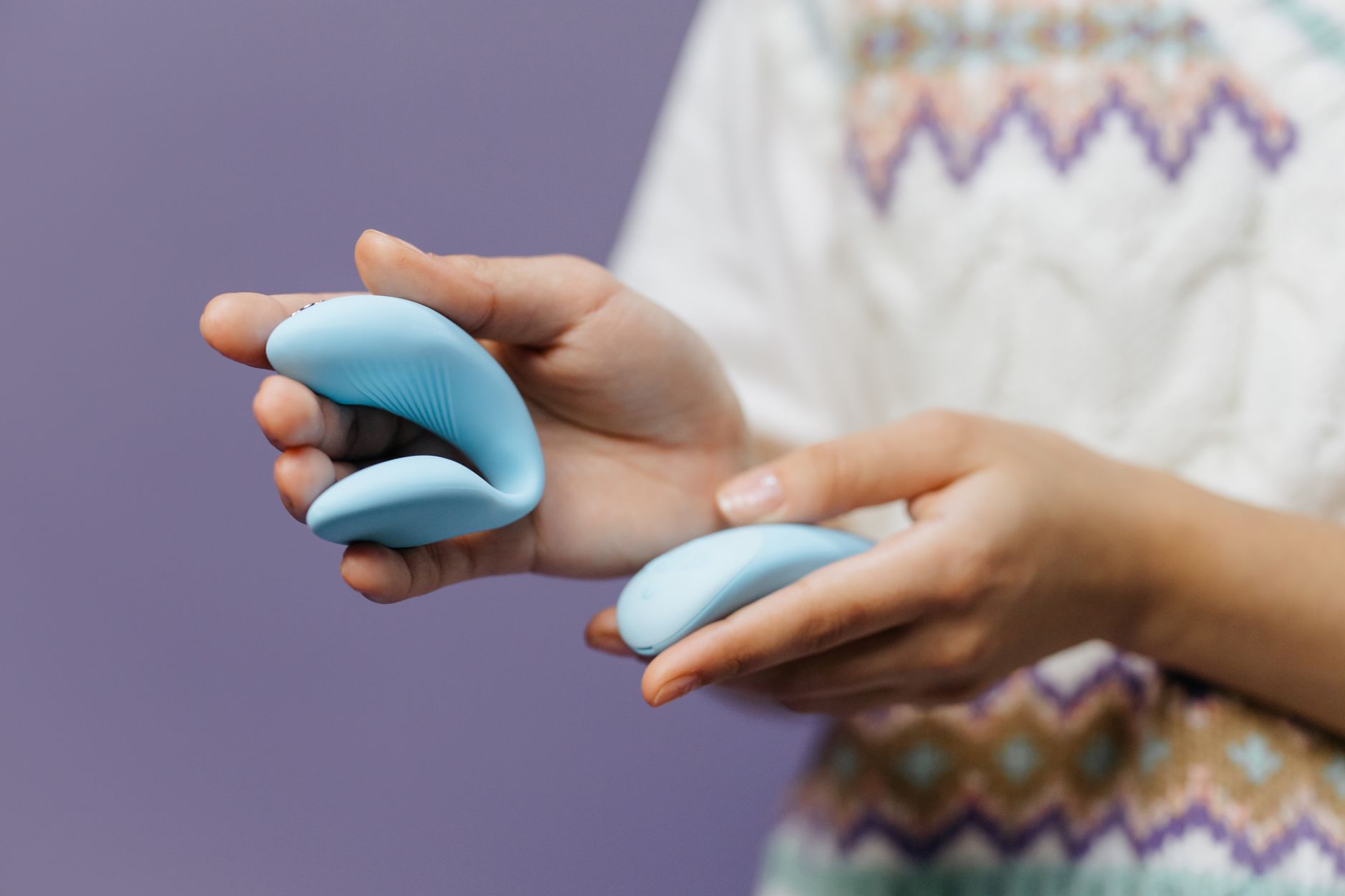
Sounds weird, but this is the real hack. Before you even turn on a lemon vibrator, spend time just holding it. Let your hand rest between your legs with the toy off. Feel the weight, the temperature, the texture. This is called "desensitization by proximity," and it tells your nervous system: this is safe, this is familiar, this is not a threat.
Many people skip this step and jump straight to vibration. Your nervous system doesn't appreciate the shortcut. Give yourself a few days of just holding the toy, maybe while you're relaxing, watching TV, or reading. The goal isn't arousal—it's acclimatization.
When you do turn it on, start at the absolute lowest setting
Most lemon clitoral vibrators have multiple intensity levels. The Lemon Clitoral Vibrator, for instance, has distinct patterns at low, medium, and high settings. Start at level one. Don't be tempted to jump to level two because you think you "should" handle it. Your nervous system is recalibrating. Honor that.
If even level one feels like too much, try this: turn it on, then move it away from direct contact. Let the vibration travel through your hand first. You can rest your palm on your inner thigh and feel the hum without the focused intensity on your clitoris. This is still valuable—it's reintroducing sensation gradually, which is exactly what rebuilds confidence.
Lubrication matters more than you think
After a break, your natural lubrication may take longer to appear, or it might feel lighter than you remember. This isn't a problem—it's just physiology resetting. But it changes how vibration feels against your tissue.
Water-based lubricant creates a buffer between the vibrator and your skin. It softens the intensity without reducing the sensation entirely. It also feels like warmth and glide, which signals safety to your nervous system. Use it generously. This is one of those moments where "more" genuinely makes the experience better.
Build a ritual around the reintroduction
This sounds ceremonial, but it works. Choose a specific time—maybe a Sunday evening, or a weeknight when you have the house to yourself. Light a candle if that appeals to you (it doesn't matter if it does or doesn't—choose what actually relaxes you). Take a warm bath or shower first. The heat loosens the pelvic floor. The water signals your nervous system that this is self-care, not performance.
Then set a timer for ten minutes. That's it. Ten minutes of exploring sensation at your own pace, with no expectation of orgasm or any particular outcome. Many people find that when they remove the goal, pleasure returns faster. Your only job is to notice: what feels okay right now? What feels like too much? What feels interesting?
If after ten minutes you want to stop, you stop. This isn't about pushing yourself. It's about rebuilding the relationship between your brain and your body.
Partner check-ins matter
If you're partnered, your partner's anxiety can become your anxiety. If they're excited but you're nervous, or vice versa, that mismatch lands in your body as tension.
Before you reintroduce lemon adult toys, have a clear conversation: "I'm taking this slowly. I might use the vibrator for five minutes or ten minutes. I might stop and start again tomorrow. There's no finish line here." This gives your partner permission to relax their expectations, which gives you space to actually relax.
You might also agree that your partner's role during this phase is observer only, not director. They're not touching you, not suggesting intensities, not checking in mid-session. You're the expert on your own body right now.
The pelvic floor reset technique
Before each session, do this: lie down and consciously relax your pelvic floor. Breathe in for a count of four, then on the exhale, imagine your pelvic floor as an elevator slowly descending from the top floor to the ground floor. No forcing, no clenching. Just intentional release.
Then inhale, and imagine it rising gently back up. Do this five or six times. This resets the nervous system and tells your muscles: we're safe, we can let go.
If you're used to Kegels (pelvic floor contractions), pause them during this reintroduction phase. You're trying to teach your pelvic floor to relax, not strengthen its grip.
What to expect day by day
Day 1-3: Sensation might feel raw or sharp. This is normal. You're not broken. Stop if it's uncomfortable, resume tomorrow. The goal is three to five days of gentle exposure.
Day 4-7: Intensity should start to feel less jarring. Your nervous system is getting the message that this is familiar territory. You might notice you can handle level two now, or that ten minutes of level one actually feels nice.
Week 2+: Pleasure might start to return. You might feel actual arousal, actual desire to explore more. This is where you can gradually increase intensity, add patterns, or extend sessions—but only if it feels right.
There's no timeline. Some people take two weeks. Others take six. Both are completely fine.
When overwhelming sensation means something else
If after two weeks of gradual reintroduction, sensation still feels painful, sharp, or intensely uncomfortable, it's worth checking in with your doctor. Vulvodynia, nerve irritation, or hormonal changes can all make even gentle vibration feel painful. That's not a failure on your part. That's information.
Similarly, if you notice that no matter how slow you go, you feel no pleasure at all—no warmth, no interest, no physical response—that might point to depression, medication side effects, or relationship stress that needs separate attention. A lemon vibrator is a wonderful tool, but it's not a solution for everything. Sometimes the block is upstream.
You're not starting from zero
Here's what I tell every client who's reintroducing pleasure after time away: you haven't lost your capacity for sensation or orgasm. You've just reset your baseline. That baseline will climb back up, probably faster than you expect, once you stop forcing it. Your body knows what pleasure feels like. It's asking for patience while it remembers.
People also ask
How long should I wait before using a lemon vibrator after a break from sex?
There's no medical "waiting period." Your body is ready whenever you're emotionally ready. That said, giving yourself three to seven days of zero-pressure exploration (holding the toy, getting familiar with it, maybe turning it on at low intensity) helps your nervous system recalibrate. If you've been away for months or years, that preparation phase matters even more.
Can using a lemon clitoral vibrator too soon after a break cause damage?
No. Your tissue won't be harmed. But jumping straight to high intensity might trigger discomfort or reinforce your nervous system's protective response. You might then avoid the toy again, which defeats the purpose. Start low, go slow, and let sensation rebuild naturally. That's the strategy that actually works long-term.
What if my partner wants to use the lemon vibrator on me but I'm not ready?
Then they wait. Full stop. This is your nervous system, your pleasure, your timeline. A partner who pushes a reintroduction schedule is creating tension, not intimacy. If this is an ongoing conflict, that's worth addressing separately from the vibrator. Sometimes the block isn't the toy—it's the relationship dynamics around it.
Is it normal for a lemon vibrator to feel too intense even at the lowest setting?
Completely normal during reintroduction. Use lubricant, move the toy slightly away from direct contact, or just hold it against your body without it touching sensitive tissue. You're not trying to achieve orgasm right now. You're rebuilding familiarity. Once your nervous system realizes this toy is safe, intensity will feel proportional again.
Why does sensation feel different after a break than it did before?
Your pelvic floor tightens when you're not regularly engaging sexually. Your skin slightly changes sensitivity. Your nervous system's pain and pleasure pathways get quieter without regular stimulation. It's like a skill you haven't practiced—it takes a few days of gentle work to get back to baseline. That's all this is: practice, not recovery from injury.
How do I know if I should see a doctor about overwhelming sensation?
If discomfort persists after two to three weeks of gradual reintroduction, or if the sensation is sharp pain rather than just intense, get checked. Also see someone if you notice numbness or complete lack of sensation even at higher intensities. These can point to nerve changes, hormone shifts, or medication side effects that warrant professional attention. A good practitioner can help rule out physical causes and point you toward solutions.
The bottom line
Reintroducing lemon vibrators after time away is a process, not a sprint. Your nervous system needs permission to come back online gradually. That means starting with zero vibration, respecting low intensity, using lubrication, and building a ritual that feels safe. Within a few weeks, sensation will normalize, and you'll remember exactly why you loved this in the first place. Until then, patience isn't giving up. It's the strategy that actually works.