
Why Lemon Vibrators Work Better for Age-Gap Relationships
Let's be real. Age-gap relationships navigate arousal and pleasure differently than same-age partnerships. It's not a judgment call. It's biology, life experience, and how bodies change over time colliding in one bed.
That's where lemon vibrators and clitoral vibrators like the Lem become genuinely useful. Not as a band-aid. As a bridge.
The arousal mismatch is real (and not actually a problem)
Here's what I see in my practice constantly: one partner hits their arousal peak in minutes. The other needs 15, 20, sometimes 30 minutes to fully respond. Add an age gap, and you're often layering different hormonal states, different sexual histories, and completely different speed preferences into one intimate moment.
The younger partner might be quick to arousal but new to knowing their own body's signals. The older partner might have slower initial response but deeper knowledge of what actually works for them. Without tools, this gap creates friction. With a lemon sucker or other clitoral vibrator, it becomes a conversation starter instead of a sticking point.
Lemon vibrators let the partner who's still warming up stay engaged while the other is building toward their peak. Nobody's waiting, nobody's bored, nobody's performing.
Why lemon clitoral vibrators fit age-gap dynamics
Here's the technical piece: lemon vibrators use suction and pulse patterns instead of straight vibration. That matters across age groups, but it matters more when partners are at different life stages.
For younger partners: suction-based stimulation teaches responsive pleasure. You're learning what your body actually wants, not what speed your toy dictates. The patterns are nuanced enough that arousal builds gradually, which keeps you present with your partner instead of chasing one intensity level.
For older partners: suction is gentler on tissue that may have lost some elasticity. If you've been through hormonal shifts (perimenopause, menopause, or just aging in general), the clitoral area is more sensitive to direct friction. A lemon vibrator's gentle suction feels luxurious rather than numbing. You actually feel more, not less.
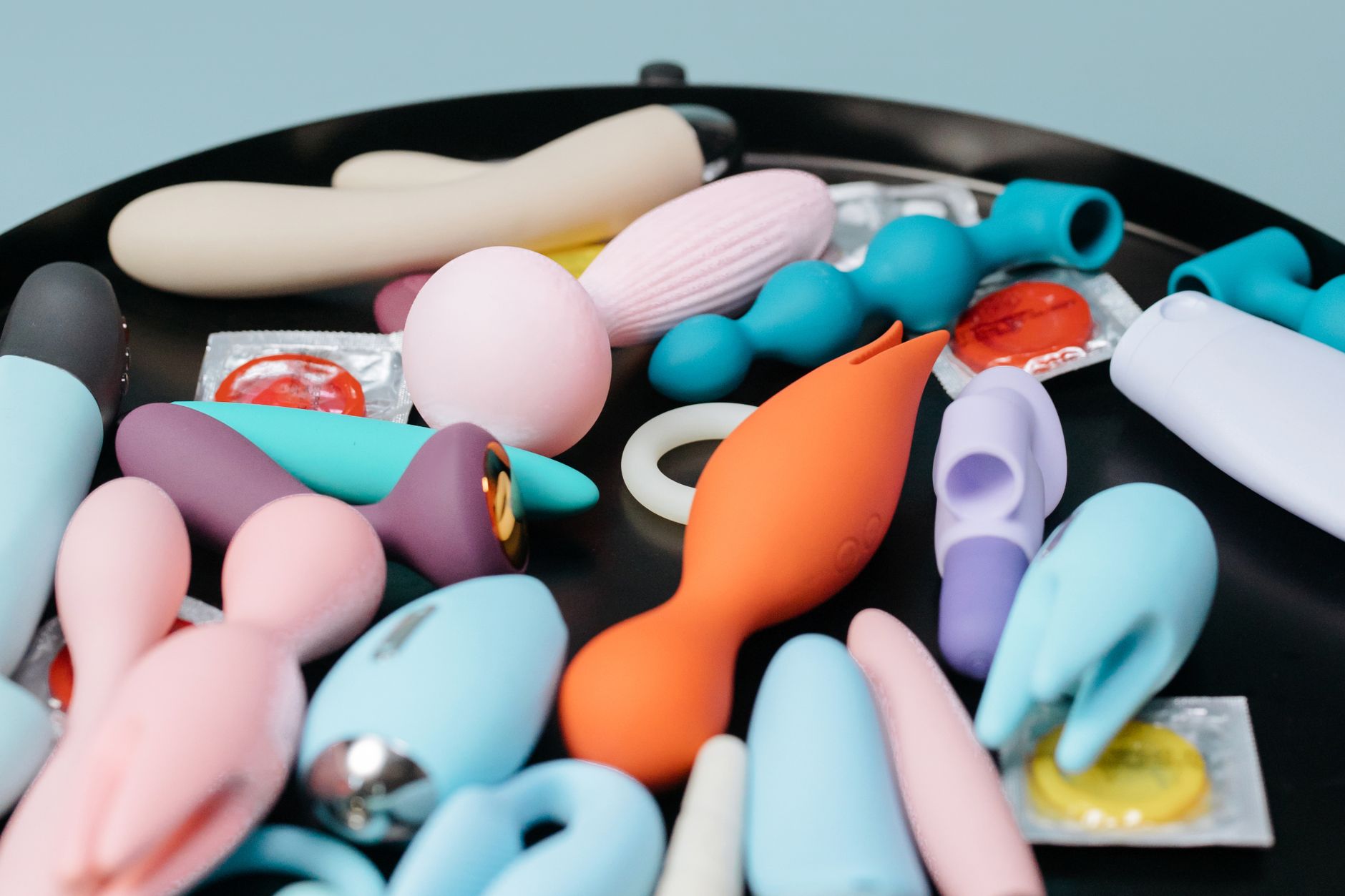
Photo by cottonbro studio on Pexels
The pleasure timeline problem (and how to solve it)
In age-gap relationships, one common scenario: the older partner knows exactly what they need to orgasm. The younger partner is still mapping their body. Without conversation and tools, this becomes a mismatch where one person reaches their peak while the other is still finding their rhythm.
Lemon vibrators solve this beautifully because they allow both partners to explore at their own pace while staying connected. The lem vibrator's suction pattern can be started early in foreplay (when the younger or less-experienced partner needs more time), then adjusted as intensity builds. Nobody's waiting for the other. Both people are actively engaged.
This is different from a regular vibrator, which tends to push you toward a single goal (one intense orgasm) at one pace. A lemon clitoral vibrator invites exploration. It slows things down in a good way.
Communication shifts when you introduce the right tool
I've worked with dozens of age-gap couples, and here's what I observe: the conversation changes when a lemon vibrator enters the picture. Instead of "I'm not ready yet" versus "I'm already there," the talk becomes "What pattern feels best for you right now?" That's a collaborative conversation.
The partner using the toy gets to stay curious about their own body instead of performing for their partner's timeline. The partner not using it gets to focus on connection, touch, and watching their partner's pleasure unfold. Both roles are active. Both matter.
This is particularly important in age-gap relationships where there might already be unspoken hierarchies or assumptions about who knows more. A shared pleasure tool levels that. You're both learning, both responding, both directing the moment.
Why sensitivity matters more across age gaps
This is the part most toy reviews skip: sensitivity changes. Whether your partner is 10 years younger or 10 years older, their clitoral tissue responds differently at different life stages. Perimenopause brings heightened sensitivity in some areas and numbness in others. Hormonal birth control changes arousal patterns. Aging shifts how quickly arousal builds and how intensely orgasm peaks.
A lemon sucker's variable pressure means you're not locked into one intensity. You can start at a gentle pulse, watch how your partner responds, and adjust from there. A vibrator set to one speed forces both partners to adapt. A clitoral vibrator like the Lem invites you both to stay responsive to what's actually happening in the moment.
That responsiveness is what keeps age-gap relationships hot long-term. You're not running a script. You're playing together.
The conversation piece (which is half the benefit)
Introducing a lemon vibrator into an age-gap relationship isn't about performance. It's about permission. Permission to slow down, to explore, to ask for what feels good right now instead of what you thought should feel good.
I often recommend partners try it separately first. Each person gets to experience the lem vibrator alone, figure out which pattern they prefer, build familiarity with the sensation. Then you bring that knowledge into shared moments. You're not experimenting on each other. You're each coming with information about yourself.
Age gaps often come with unspoken worries: "Am I attractive enough?" "Is my body still desirable?" "Am I too slow?" A lemon clitoral vibrator sidesteps all that. Your body isn't the problem. Your timing isn't the problem. You're just two people finding what feels good together. That's it.
When lemon vibrators prevent resentment
Here's the stakes-raising truth: arousal mismatch in age-gap relationships doesn't just create awkward moments. Over time, it creates resentment. The person who's always waiting feels unseen. The person who's always rushing feels pressured. Both partners internalize the gap as a personal failure instead of a logistics problem.
Lemon vibrators solve a logistics problem. They don't solve whether you actually like each other. But they remove a friction point that's easy to mistake for incompatibility.
Many couples in age-gap relationships report that introducing a clitoral vibrator (especially a thoughtfully-designed one like the lem vibrator) is what actually made them feel sexually compatible for the first time. Not because the toy is magic. Because it gave them permission to stop performing and start actually responding to each other.
The tissue reality across decades
One more practical point: if your age gap spans significant hormonal life stages, tissue changes are real. A partner in their early 30s experiences arousal differently than a partner in their early 50s. That's not judgment. It's physiology.
Lemon vibrators' gentler suction pattern respects that. You're not choosing between your partner's pleasure and physical comfort. A lemon clitoral vibrator can be used longer, at comfortable intensities, without the numbness or irritation that straight vibration sometimes causes on more sensitive tissue.
This means both partners can actually relax into the experience instead of managing discomfort or overstimulation.
Building the collaborative pleasure conversation
If you're in an age-gap relationship considering a lemon vibrator, here's how I recommend starting:
-
Talk about it separately first. Not during sex. "I've been thinking about adding this tool to our intimate moments. What would you be comfortable exploring?" Frame it as curiosity, not critique.
-
Each person uses it alone first. Build familiarity. See what patterns feel good. You're gathering data, not performing.
-
Introduce it with low pressure. Maybe during foreplay when things are playful. No expectation of orgasm. Just exploration.
-
Keep talking. "Did that feel good?" "What sensation would you want more of?" This conversation is often more intimate than the physical moment itself.
-
Adjust based on what you learn. The lem vibrator has multiple settings for exactly this reason. Find your rhythm together.
Age-gap relationships work best when both partners stop trying to match each other and start learning what each actually needs. A lemon vibrator doesn't create that shift. It just makes it easier.
FAQ: Lemon Vibrators and Age-Gap Relationships
Do lemon vibrators work if my partner and I have a big arousal speed difference?
Absolutely. That's actually one of the biggest advantages of a lemon clitoral vibrator in age-gap relationships. Because suction-based stimulation builds pleasure gradually instead of trying to drive you toward one intensity level, both partners can stay engaged even when their natural arousal timeline is different. The slower-warming partner has time to build, and the quicker partner can explore deeper patterns. You're not racing each other. You're moving together at different paces.
Is it weird to use a lemon vibrator if we have a significant age gap?
Not at all. If anything, couples with age gaps often benefit more from toys specifically because they're navigating different hormonal states and sensitivity levels. A lemon sucker isn't about fixing anyone. It's about making space for both people's bodies to feel good simultaneously. That's especially valuable when partners are at different life stages.
How do I bring up using a lemon clitoral vibrator without it feeling like criticism?
Frame it as exploration, not problem-solving. "I've been curious about trying this" lands better than "I think this would help us." The second one implies something's broken. The first one is just about expanding pleasure. If you're nervous, you can even share an article or say, "I read about how this works differently than a regular vibrator." Make it information-driven, not emotional.
Will using the lem vibrator make my partner feel less needed?
Actually, the opposite often happens. Because the vibrator handles one type of stimulation, your hands and mouth and presence become more important, not less. You're both active. You're both touching. The toy doesn't replace you. It frees you to focus on connection instead of performance.
What if one of us is much older and worried about our body?
This is real and worth naming. A lemon vibrator can actually help here because it shifts focus from "my body isn't responding like it used to" to "my body responds differently, and that's interesting to explore." Many older partners find that suction-based stimulation actually feels more intense than it did with other toys, which can rebuild confidence. But also: the conversation about aging bodies and ongoing attraction is separate from the toy conversation. Both matter. Don't skip the first one.
How does a lemon vibrator compare to other clitoral vibrators for couples?
Lemon vibrators use suction and pulsing patterns, which tend to be gentler and more gradual than straight vibration. For age-gap couples navigating different sensitivities, that matters. You're less likely to hit overstimulation, and the patterns invite more exploration instead of chasing one peak. That said, only you know what feels good. The best toy is the one both partners are excited to use together.
The actual benefit is connection
Here's what I want you to know: a lemon vibrator doesn't fix age-gap relationships. It doesn't erase the real differences between partners at different life stages. What it does is remove one friction point so you can focus on what matters. Attention. Presence. Actual pleasure instead of performance.
Age-gap relationships are beautiful precisely because partners bring different experience and perspective. The goal isn't to make each other identical. It's to stay curious about how you each feel, what you each want, and how you can build something that works for both of you.
A lemon clitoral vibrator just happens to be a really effective tool for that conversation. And honestly? It feels incredible too.
If you're navigating pleasure in an age-gap relationship and want to explore thoughtfully, reach out to our team. We're here to answer questions without judgment.
References and sources
- Gottman, M., & Silver, N. (2015). The Seven Principles for Making Marriage Work. Harmony. Relationship research on arousal synchronization and intimacy across life stages.
- Komisaruk, B. R., & Whipple, B. (2005). Functional MRI of the brain during orgasm in women with complete spinal cord injury. Progress in Brain Research, 152, 127-140. Neurological research on pleasure response patterns.
- Laumann, E. O., Paik, A., & Rosen, R. C. (1999). Sexual dysfunction in the United States: prevalence and predictors. JAMA, 281(6), 537-544. Population data on age-related changes in sexual function.