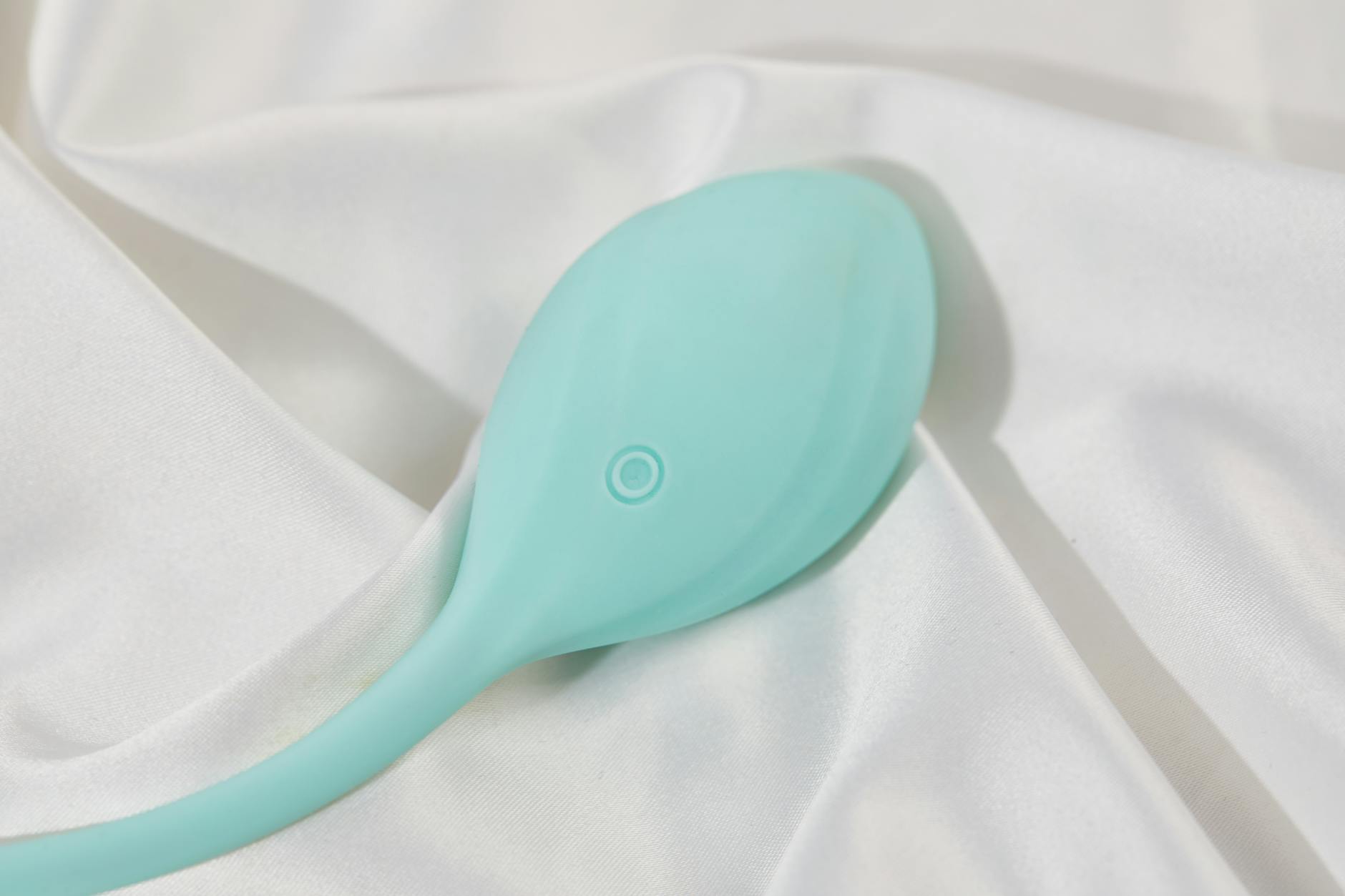
Why couples hesitate to introduce vibrators in the first place
Here's the thing. Most couples don't avoid vibrators because they're opposed to them. They avoid them because the moment feels loaded. Will it hurt their partner's feelings? Will it seem like a critique? Will using one change the dynamic in a way that's hard to walk back?
Add to that the technical anxiety. Traditional vibrators come with learning curves. They're loud, they're intense from the jump, they require a lot of coordination to use during partnered sex. For someone who's never held a vibrator, the first experience often feels clinical or chaotic instead of connected.
That's where lemon vibrators change the equation. They're designed to feel less like a "sex toy" and more like a natural addition to what you're already doing together.
The design difference that matters most
Lemon clitoral vibrators work through suction and gentle pulsing, not rapid vibration. This sounds technical, but what it actually means is this: they feel more like oral stimulation than a vibrator. For couples navigating that first experience together, that familiarity cuts through a lot of the weirdness.
Your partner doesn't have to figure out angles or intensity settings that might be too much. The sensation builds gradually. It's responsive to the person using it, not dominating. That's a fundamentally different experience than holding a traditional vibrator against your body, which can feel external and mechanical.
When I work with couples in therapy, I often hear: "Using a lemon vibrator didn't feel like bringing something outside into our bed. It felt like trying something we'd both been curious about that actually worked."
Less noise means more connection
Let me be direct: traditional vibrators are loud. Some are quiet-ish, but most create a constant buzz that fills the room. For couples who are nervous about introducing vibrators, that sound is its own barrier. It signals "we're doing something unusual now," when what you actually want is for it to feel seamless.
Lemon vibrators are significantly quieter. The pulsing creates a soft hum instead of a whir. This is not a small detail. In couples therapy, I see this matter psychologically. If you can talk, laugh, or stay present with your partner during sex, the experience is categorically different than if you're both hyper-aware of the noise.
Quiet also means you're not broadcasting what you're doing to roommates, kids in the next room, or your own nervous system. Couples exploring together need psychological safety, and sometimes that starts with not feeling exposed.
Why the suction mechanism reduces performance pressure
When you introduce a traditional vibrator into partnered sex, both people suddenly have to problem-solve in real time. Where does it go? How much pressure? Should I hold it or should you? These tiny logistical questions derail connection faster than anything.
Lemon clitoral vibrators eliminate most of that. The design means the person using it (or receiving it) can hold it and adjust positioning easily. The sensation works across a wider range of positions and angles because it's designed for that. You're not hunting for the exact spot where it feels good. The device is responsive enough that small shifts in position keep the stimulation pleasant instead of missing entirely.
For couples, this is massive. You can focus on each other instead of troubleshooting equipment. That removes the performance pressure that often makes people shut down when toys enter the picture.
How lemon vibrators fit into different couple dynamics
I've worked with couples where one partner was hesitant about vibrators and couples where both were curious but didn't know where to start. Across those dynamics, I've noticed lemon vibrators work because they don't require anyone to play a specific role.
One partner can use it on the other. You can use it together. You can use it on yourself while your partner watches. The device doesn't mandate a script. For couples who haven't talked explicitly about what roles they want to play, that flexibility matters. You can explore without committing to anything.
It also works for couples at different experience levels. If one of you has used vibrators before and the other hasn't, a lemon vibrator is straightforward enough that the new person doesn't feel intimidated. And it's sophisticated enough that the experienced person isn't bored.
The conversation becomes easier
One underrated benefit: introducing a lemon vibrator to your sex life makes talking about pleasure easier. Because the device isn't intimidating or overly clinical, the conversation around it feels lighter. "Want to try this?" lands differently than it does with some sex toys.
In couples therapy, I've found that pleasure conversations often fail because they feel too vulnerable or too transactional. When you're introducing a device that feels approachable and modern without being weird, the conversation becomes normal. "I'd like to try this with you" feels like exploration, not like something's broken.
Once couples start exploring together with a tool that actually works, they often unlock other conversations. Questions about what they enjoy, what they've been curious about, what they want to try next. That's the real win. The vibrator isn't the point. It's the opening.
Real ease of use matters more than you'd think
Let me ground this in something concrete. Lemon vibrators typically have 3-5 intensity settings and 2-4 patterns. That's it. No complicated app, no remote that confuses things, no 47 settings that no one actually uses.
For couples, this simplicity is huge. If someone is hesitant about vibrators, they're more likely to be willing to try something with straightforward controls. There's no mystery, no fiddling around trying to figure out what does what. You charge it, you turn it on, you adjust if you want to.
That ease also means your first experience using a lemon vibrator together is less about logistics and more about actually enjoying it. You're not that couple stopping mid-sex to read the manual or figure out why the function button isn't working.
When to introduce it without making it weird
Timing matters. I recommend couples bring it up outside the bedroom first, in a moment where neither of you is already aroused or vulnerable. "I found this thing that looked interesting. Want to try it together sometime?" is infinitely easier than surprising your partner with it mid-session.
Let your partner hold it, see what it does, get comfortable with the idea. Lots of couples find that removing the surprise and the shame makes the actual experience feel natural instead of awkward.
When you do use it together for the first time, go slow. This doesn't mean anything has to be different structurally. You're simply adding a tool to what you're already doing. The lemon vibrator's design makes that addition feel additive rather than disruptive.
The bigger picture
Couples who explore pleasure together stay connected in ways that matter. That exploration doesn't have to be complicated or intimidating. The right tool makes it easier. A lemon clitoral vibrator is designed specifically to remove friction, both literally and emotionally, from that conversation.
Your pleasure matters. Both of your pleasure matters. And introducing something that makes both of you more comfortable exploring that together isn't a compromise or a Band-Aid. It's an investment in the relationship.
People also ask
Are lemon vibrators quieter than regular vibrators?
Yes. Lemon vibrators use suction-based pulsing rather than high-speed vibration, which makes them substantially quieter than traditional vibrators. The difference is noticeable enough that couples often comment on it as a relief. You get all the sensation without the constant buzz that can make early experiences feel clinical.
Can I use a lemon vibrator during partnered sex?
Absolutely. Lemon clitoral vibrators are designed to work during penetration, manual stimulation, or on their own. The suction mechanism means it's effective across different positions, and the quiet operation means it doesn't create logistical chaos during sex. Many couples find it easier to use during partnered sex than traditional vibrators because the positioning is more intuitive.
What if my partner is nervous about toys in general?
Start by showing them the device when you're not in the bedroom. Let them see how it works, how straightforward the controls are, and that it's not intimidating. Lots of hesitation around sex toys comes from not understanding them. Once your partner sees a lemon vibrator is simple and approachable, the nervousness often fades. The fact that it mimics sensation you'd already be familiar with helps too.
Do lemon vibrators work for everyone?
Most people respond well to the suction-based sensation, but bodies are different. For some people, the intensity builds differently or they prefer traditional vibration. That's why starting slow and communicating matters. If a lemon vibrator doesn't end up being your thing, you've learned something useful about what does work for you. And you've had that exploration conversation with your partner, which matters more than any specific toy.
How do I bring this up without making it seem like something's wrong?
Frame it as curiosity, not correction. "I'm interested in trying this" is different than "We should try this because.". Introduce the idea when you're both relaxed, not mid-intimacy. Make it clear this is something you want to explore together, not something you want them to do. That shift in language often changes how the whole conversation lands.
Can couples use a lemon vibrator if one partner has never used a vibrator before?
Yes. In fact, lemon vibrators might be especially good for this situation because they're less intimidating than traditional toys. The sensation is more intuitive, the controls are simple, and there's no learning curve that makes someone feel out of their depth. If you're the experienced partner, you can show your partner how it works. If you're the new partner, the straightforward design means you don't feel lost.