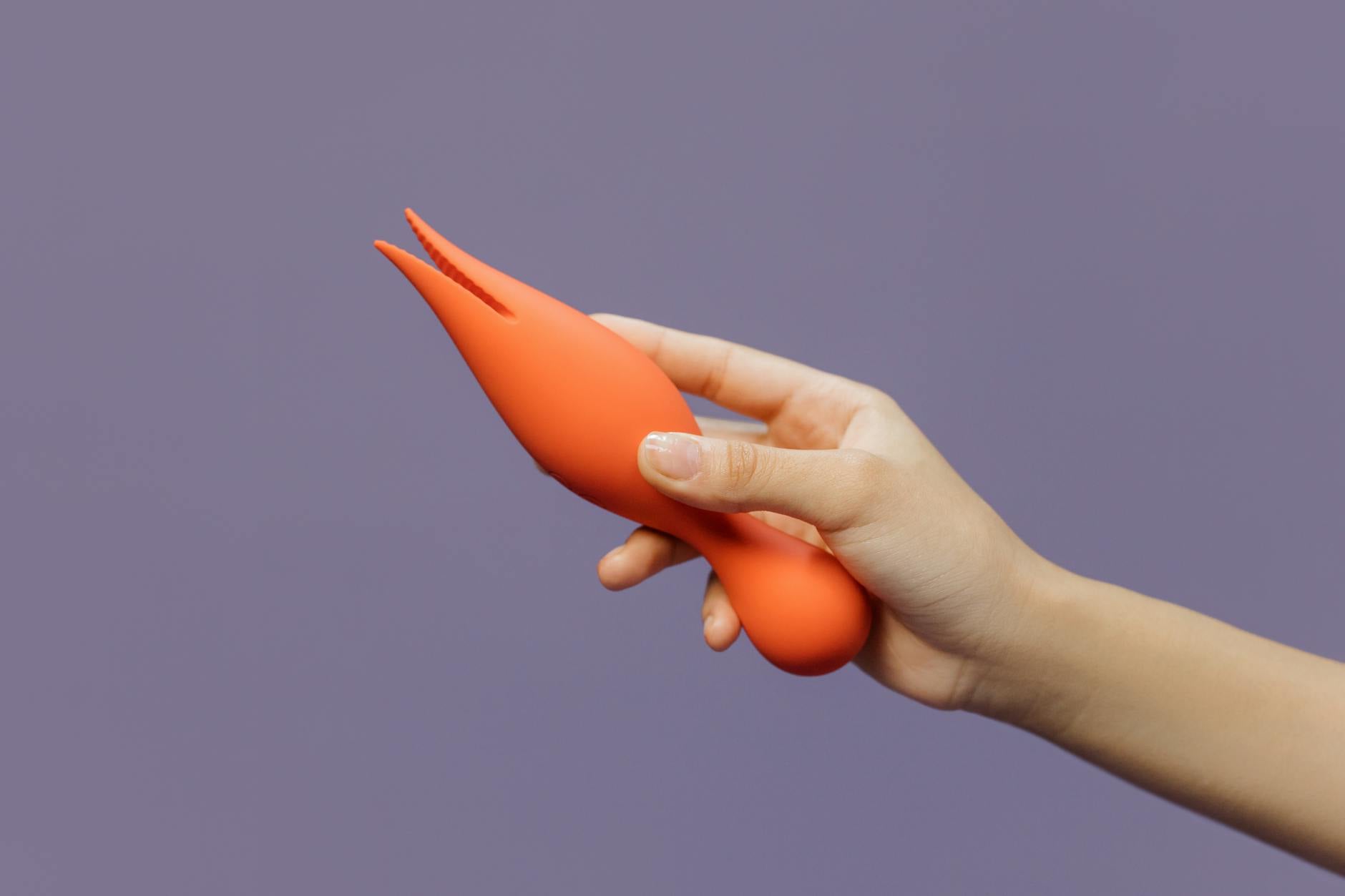
Here's what nobody tells you about perimenopause and pleasure
Your body is changing, and so is how it responds to touch. If lemon vibrators felt amazing before and now they feel weird, you're not broken. You're in perimenopause, and your nervous system is literally rewiring itself.
The good news? Understanding what's happening makes everything easier. The better news? Lemon vibrators actually work better for some people during this transition.
What perimenopause does to your nerve endings
Perimenopause is the 5-10 years leading up to menopause when your hormones start their slow dance down. Estrogen and progesterone fluctuate wildly, not steadily declining. This isn't menopause yet, but it's not your pre-40s either.
Here's the thing that changes: blood flow to your clitoris becomes less consistent. Estrogen supports vasocongestion, which is the fancy word for "blood rushing to your genitals when you're aroused." When estrogen dips, that response slows. Your clitoris might take longer to swell. Sensation might feel muted.
At the same time, your clitoral tissue is getting more sensitive to certain types of stimulation. The skin thins slightly. Nerve density stays the same, but the tissue around it changes. Direct vibration that felt perfect at 35 might feel too intense at 45.
Why lemon vibrators work differently now
Most traditional vibrators rely on direct, penetrating vibration. They work great, but they demand a lot from tissue that's becoming more delicate. Lemon vibrators use a completely different mechanism: suction and pulsing.
Instead of hammering nerve endings with vibration frequency, lemon vibrators create a gentle vacuum around your clitoris. This draws blood flow to the area, which is exactly what perimenopause makes harder to happen naturally. You're essentially helping your body do what it's struggling to do on its own.
For people in perimenopause, this is a game-changer. You get::
- Less intensity without losing sensation
- A broader stimulation pattern that feels less focused and overwhelming
- Better arousal because the suction actually increases blood flow
- Faster orgasms because your nervous system doesn't have to work so hard
The Lem vibrator, for example, starts at a gentle setting that builds gradually. You can control the intensity instead of being locked into the vibration speed the device was designed for. That control matters more during perimenopause than it did before.
The role of fluctuating hormones
One week your clitoris might be responsive and swollen. The next week, it's withdrawn and sensitive. This isn't you being inconsistent. This is estrogen rising and falling.
High estrogen days? You can probably handle anything. Low estrogen days? You want something gentle. Because lemon vibrators offer more control than traditional vibrators, you can adapt day to day. That flexibility is something most people in perimenopause desperately need.
There's also the psychological piece. Perimenopause often comes with hot flashes, sleep disruption, and mood swings. Your brain is not in the same relaxed state it was at 25. You need more time to get into your head, more mental permission to focus on pleasure. A device that doesn't require constant engagement gives your brain space to catch up.
How arousal timing actually changes
Before perimenopause, you might have felt aroused within 2-3 minutes of any stimulation. Now it might take 10-15 minutes. That's not a problem. It's just different.
Many people interpret this as "I'm losing desire," when what's actually happening is "my nervous system needs more runway." Lemon vibrators help here too because they're gentle enough that a longer warm-up feels good instead of frustrating. You're not waiting. You're enjoying the buildup.
Some partners ask, "Does this mean sex will take forever now?" Not necessarily. Extended foreplay becomes part of the routine, and most couples find they enjoy that more than rushing. Your body isn't slower. It just needs a different approach.
Mental shifts that matter as much as physical ones
Permipause often arrives with a strange gift: permission. By your mid-40s, you've often stopped performing sex for anyone else. You know what you want. You're less willing to pretend.
This is the exact moment when exploring a lemon vibrator actually changes your relationship to pleasure. You're not trying to recapture your 30s arousal pattern. You're discovering what your 40s body actually wants. That's a different kind of intensity.
I work with clients who say their most powerful orgasms happened during perimenopause, not before. This happens because they stopped chasing the old pattern and started paying attention to the new one. Lemon vibrators support that shift because they demand presence. You have to stay engaged with what's actually happening, not what you think should be happening.
When something feels truly wrong
There's a difference between "this feels different" and "this hurts." If you're experiencing pain during arousal or stimulation, that's worth checking with a doctor. Genitourinary syndrome can start as early as perimenopause, not just after menopause officially begins.
But if sensation is just muted or timing is slower, that's normal. That's your body in transition. And transition is actually a really good time to experiment with something new, like lemon clitoral vibrators that work with your changing physiology instead of against it.
The pleasure continuity myth
A lot of wellness writing tries to tell you "pleasure stays exactly the same, don't worry." That's not true. Pleasure does change. But change doesn't mean decline.
Some sensations become more intense. Some become more diffuse. Your orgasms might feel different but not worse. Your preferences might shift. You might discover you like longer sessions now instead of quick ones. You might want more clitoral focus because vaginal sensation feels duller.
These aren't losses. They're data. They're your body telling you what it needs during this phase. Paying attention to that signal is how you stay connected to your pleasure instead of disconnecting from it.
Making lemon vibrators work for your perimenopause body
A few practical things I recommend to clients in this transition:
Start lower than you think you need. If you've used other vibrators, begin at setting 2 instead of your usual intensity. Your tissue is more sensitive, and you might get to intensity 5 when you're fully aroused. There's no prize for starting high.
Give yourself 15-20 minutes of buildup, even if you're solo. Your nervous system needs time. This isn't wasted time. It's the good part.
Use lube even if you never did before. Water-based works great with silicone toys. It reduces friction on tissue that's changing and helps the suction sensation feel better. It's not a sign of failure. It's a tool.
Pay attention to your cycle, roughly. You might notice you feel more responsive in the week after your period or at ovulation. Track that if you want. Your pleasure has a rhythm. Learning it means planning for it.
FAQs
Do lemon vibrators work if your clitoris has withdrawn during perimenopause?
Yes, actually better than traditional vibrators in many cases. The suction action draws blood to the area and helps engorge tissue that's become less responsive. Start with the gentlest setting and let the increased blood flow do some of the work for you.
Is it normal for lemon vibrators to feel too intense during perimenopause when they were perfect before?
Completely normal. Your clitoral tissue is more sensitive even though overall sensation might feel muted in other ways. This sounds contradictory but happens because tissue sensitivity and arousal capacity are different things. Use a lower setting and take longer warm-up time.
Can perimenopause changes in sensation come back if I stay on hormones?
Maybe partially, depending on the type of hormone therapy and your body's response. But most therapists and doctors agree: the goal isn't returning to pre-perimenopause sensation. It's finding what works now. Some clients do see improved clitoral response with HRT, but pleasure doesn't depend on it.
Should I tell my partner that lemon vibrators feel different for me now?
If you have a partner, yes. Communication about what's changing and what you're trying is usually better than silence. Most partners are relieved to know you're still interested in pleasure, just experimenting with new approaches. Isolation is what kills desire. Exploration keeps it alive.
Are there other types of toys that work better during perimenopause besides lemon vibrators?
It depends on your preference. Some people love wand vibrators with lower settings. Some prefer the focused stimulation of lemon vibrators. Some want both. The key is flexibility and control. Avoid rigid devices that don't let you adjust intensity. Your body needs options.
Will my sensation ever feel "normal" again after perimenopause?
You'll likely move into a new normal after menopause fully sets in, which can actually feel better once your hormones stabilize. But the goal isn't returning to an old version of normal. It's staying connected to pleasure through every version of your body.
The honest bottom line
Perimenopause is messy and nonlinear. Your pleasure doesn't follow a script. Some days lemon vibrators feel amazing. Some days you want something else entirely. That's not broken. That's your body asking you to stay present and keep adapting.
The people I work with who navigate perimenopause best are the ones who stop fighting the changes and start exploring them. You have permission to need different things than you did five years ago. You have permission to try new tools. You have permission to discover your body all over again.
If you want to talk through what's working and what isn't, let's chat.