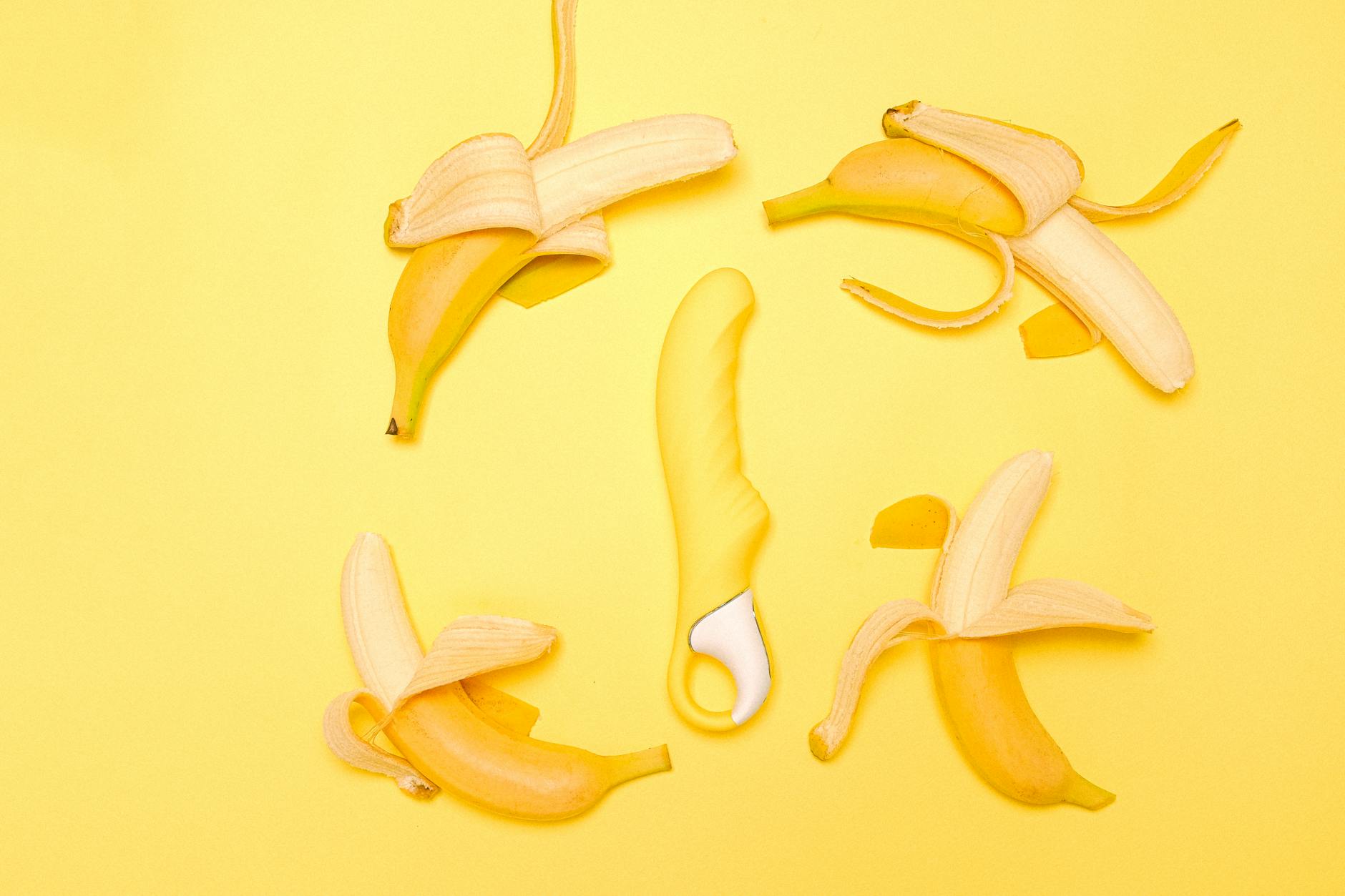
Here's what no one tells you about pleasure after 40
Your body doesn't stop wanting pleasure after 40. It just starts asking for it differently. The settings that felt perfect at 25 may now feel like too much, too soon, or just plain wrong. That's not a loss. That's useful data.
I've worked with hundreds of couples navigating this shift, and the single biggest mistake they make is assuming something is broken. Nothing is broken. The clitoral nerve structure hasn't changed. Your capacity for orgasm hasn't diminished. What has shifted is the route to get there.
Why intensity tolerance changes with age
Three biological factors are at play, and understanding them changes everything about how you approach your lemon vibrator.
Tissue becomes more delicate. The skin around the clitoris gets thinner with age. This isn't damage. It's a natural change in collagen density that makes direct, high-intensity stimulation feel sharper rather than pleasurable. The same vibration pattern that felt like a gentle hum at 28 might feel like an assault at 48.
Arousal takes longer to build. Blood flow patterns shift slightly. Your body needs more warm-up time to reach the same level of engorgement and readiness. Jumping straight to pattern 8 on your lemon vibrator before you're fully aroused is like trying to sprint before stretching. It works against your own physiology.
Nerve sensitivity redistributes. The pleasure map of the vulva doesn't disappear after 40. It reorganizes. Some people find they develop new sensitive zones. Others discover that indirect stimulation (vibration near the clitoris rather than directly on it) becomes infinitely more pleasurable.
The intensity pyramid: starting lower doesn't mean settling
Here's how I explain this to clients. Imagine pleasure as a pyramid. At the bottom are the foundational patterns: patterns 1 through 3 on your lemon vibrator. These feel like nothing special in isolation. But they create the ground floor of arousal.
The middle layers are patterns 4 through 6. This is where things get interesting. Most people over 40 spend 70 percent of their time in this zone.
The top of the pyramid is patterns 7 and up. These are your finish-line tools, not your starting position.
The mistake younger people make is treating the pyramid upside down. They start at the top and wonder why nothing feels good. Over 40, you're actually using the pyramid correctly if you begin at the base and move up slowly over 10 to 15 minutes.
The arousal gap and how to close it
One of the most common complaints I hear from people in their 40s and 50s is: "I don't feel like I'm getting anywhere with the vibrator." Then we talk through their actual routine, and the issue emerges. They're spending two minutes warming up and eight minutes on a high pattern. Their body is trying to catch up the entire time.
The fix is mechanical and simple: set a timer. Spend 5 to 7 minutes on pattern 1 or 2 of your lemon vibrator. This sounds boring. It's not. This is the phase where your body builds natural lubrication, where blood flow increases, where your nervous system gets the signal that pleasure is coming. You're not rushing to the destination. You're letting your body actually want it.
After 5 to 7 minutes, move to pattern 3 or 4. Spend another 5 to 7 minutes here. Notice what's changing. Are you more sensitive? Is your clitoris becoming more prominent? Are you breathing differently? These are signs your arousal is stacking properly.
Only then do you move upward. Most people find that by the time they reach patterns 5 or 6, orgasm is already building. They don't need to max out the intensity. They need the intensity they've actually earned.
Positioning shifts that make a difference
Your comfort angle might not be your 25-year-old comfort angle. After 40, I often recommend experimenting with angle and pressure in ways people haven't considered.
If direct clitoral contact on your lemon vibrator feels intense or uncomfortable, try angling it slightly so you're stimulating the clitoral hood or the sides of the clitoris rather than the tip. The intensity perception drops dramatically, but the pleasure often increases because there's less shock to the system.
Lying on your back versus on your side versus sitting upright creates different blood flow patterns and different angles of engagement. After 40, finding your best position often requires three or four attempts. Do this deliberately during a non-goal-oriented session. This is exploration, not performance.
Many people also discover that external pressure helps. Using your hand to press gently on the mons pubis (the area just above the clitoris) while using your lemon vibrator underneath creates a different sensation entirely. It's not something teenagers typically experiment with, but it becomes gold for a lot of people over 40.
The settings most people over 40 actually live in
After 40, the settings that feel best tend to cluster in a specific range. For clitoral vibrators like the lemon vibrator, most of my clients spend about 80 percent of their pleasure time in patterns 3 through 6. This sounds conservative. It's not. It's where orgasms actually happen.
Patterns 1 and 2 are your warm-up. Patterns 3 through 6 are where the work happens. Patterns 7 and up are tactical tools for specific moments, not your baseline.
If you're someone who loved high patterns in your 20s and 30s, this doesn't mean you've lost capacity. It means your body has gotten smarter about what creates sustainable, intense pleasure. You can still reach those high patterns after proper arousal. You just don't need to live there.
Think of it like alcohol tolerance. You don't need to drink more to enjoy yourself more. You need the right amount for your body right now.
Synchronizing with partner play
If you're using a lemon vibrator during partnered sex, the settings conversation becomes even more important. Partners often suggest higher patterns because they can see the device is on something other than maximum, and they assume you want intensity. This is sweet and wrong.
Have the conversation explicitly. "Patterns 3 and 4 feel best to me right now" is not a compromise. It's information. Your partner benefits from knowing this because it means you're more present, more likely to orgasm, and more likely to want to do this again soon.
For people using lemon vibrators during penetration, lower patterns actually work better anyway. You want enough stimulation to build and maintain arousal, not so much that sensation becomes overwhelming. Patterns 2 through 5 is the sweet zone for most people doing combined penetrative and external stimulation.
How to know if you're using the wrong settings
There's a simple test. After a 10 to 15 minute session with your lemon vibrator, ask yourself: Did I feel good, or did I feel numb? If numbness is what you're experiencing, you're running too high, too fast, for too long.
True pleasure after 40 should feel like building arousal, not white-knuckle tension. If you're gripping things or holding your breath, the pattern is too intense. If you're feeling restless or unsatisfied after 15 minutes, you're probably starting too high and not giving your body time to actually build.
The goal is to reach a point where orgasm feels inevitable and easy, not earned through effort. That happens when your settings are matched to your current physiology, not your memory of what used to work.
FAQs
Why do higher vibration patterns feel uncomfortable after 40?
Tissue thinning is part of it, but so is nerve distribution. The pleasure nerves in the clitoris don't disappear. They reorganize slightly, which means direct, high-intensity stimulation can feel sharp rather than pleasurable. Starting at lower patterns and building gradually gives your nervous system time to register pleasure instead of shock.
Can I still use high settings on my lemon vibrator if I want to?
Absolutely, but typically after proper arousal. Think of high patterns like sprinting. You warm up first. Many people over 40 do use high settings occasionally, but as a finishing tool after 10 to 15 minutes of lower-intensity stimulation, not as a starting point.
How long should I spend on each pattern before moving up?
Typically 5 to 7 minutes per pattern. This gives your body time to respond, your natural lubrication time to build, and your nervous system time to register arousal. Jumping between patterns every 30 seconds prevents your body from actually building momentum.
Is it normal for my arousal to take longer after 40?
Completely normal. It's not a sign something is wrong. It's a sign your body needs a longer runway, which is fine. The sex you have after proper arousal is often more intense and satisfying than rushed encounters ever were.
What if lower patterns on my lemon vibrator feel boring?
Lower patterns typically feel boring because they're not given enough time to work. Spend a full session (10 to 15 minutes) in patterns 2 through 5 without jumping up, and you'll often find they're not boring at all. They're foundational. The pleasure comes from building, not from intensity alone.
Should I replace my lemon vibrator after 40 or just adjust settings?
Just adjust settings. Your lemon vibrator hasn't changed. You have, and in ways that actually benefit from what a quality clitoral vibrator offers. If you love your device, keep using it. The shift is about how you use it, not about needing new equipment.
The bottom line
After 40, pleasure isn't diminished. It's recalibrated. Your lemon vibrator still works brilliantly. You're just using it smarter now. Starting lower, giving yourself time to actually build arousal, and understanding that the best intensity is the one that creates sustainable pleasure, not just sensation. That's not compromise. That's expertise. You've earned it through experience, and your body knows how to use it.