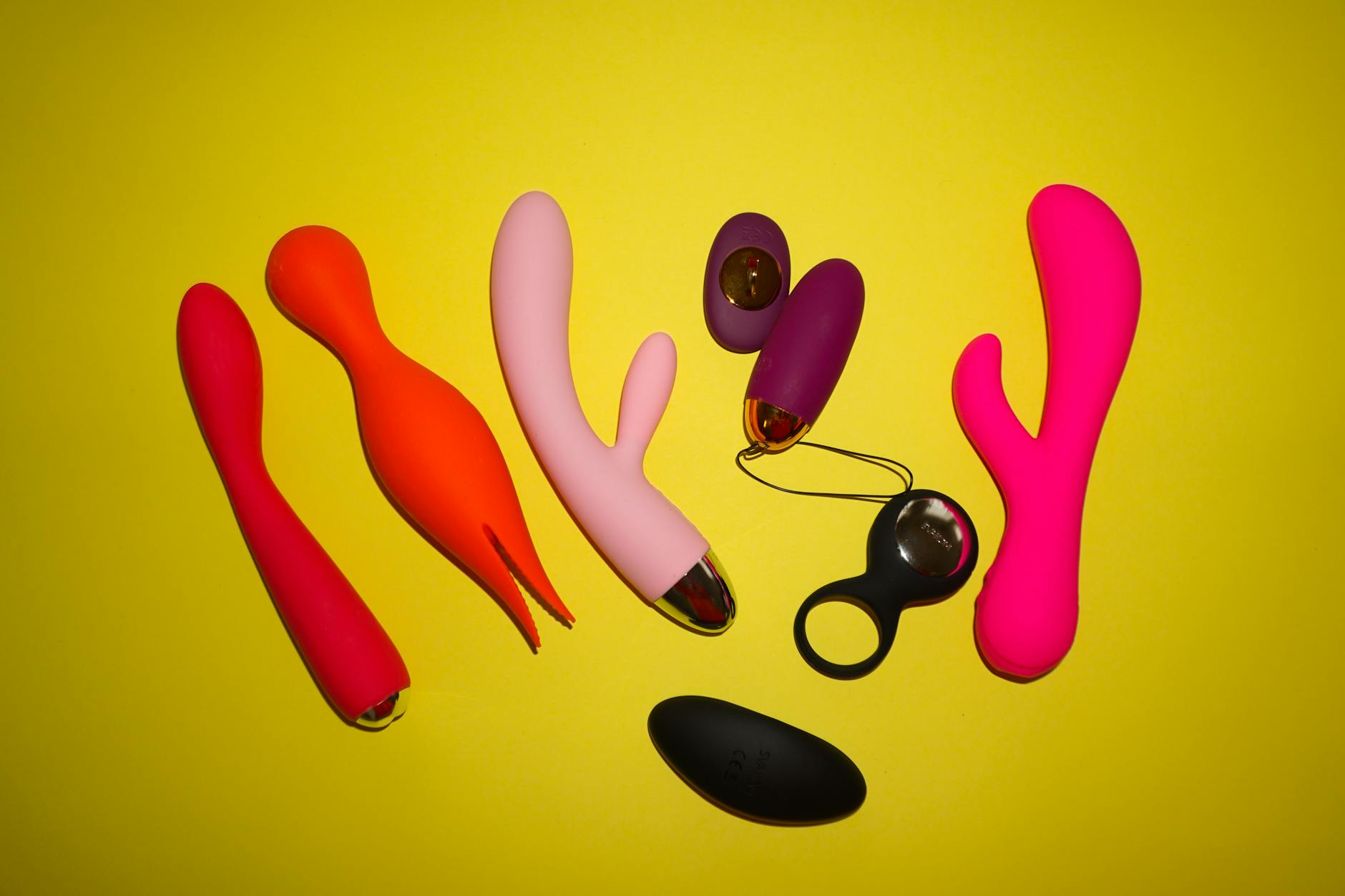
Let's be real about what's actually happening
Most couples don't introduce a vibrator into their intimate life because they want to. They introduce one because someone has been quietly frustrated for months, and finally one night, the conversation happens. Or it doesn't happen at all, and the vibrator just appears, and then there's awkwardness.
Here's the difference with lemon vibrators like the Lem. They work so differently from traditional vibrators that they actually require conversation. And that forced conversation, oddly enough, is the best thing that can happen to your communication.
Why traditional vibrators sometimes kill the talk
A standard bullet vibrator feels familiar. Lots of people have used one solo. When it gets introduced to partnered sex, it can feel like a silent object inserted into an already-unspoken gap. Your partner might feel replaced. You might feel self-conscious. Nobody names it, and the vibrator becomes a small weird thing that lives in the nightstand and breeds resentment.
With an air-suction lemon clitoral vibrator, you can't do silent. The sensation is so distinctly different that you have to explain it. You have to show them how it feels. You have to ask if they want to try it. The toy itself demands language.
That's not a bug. That's the whole point.
How the Lem changes the dynamic
I work with couples in my practice who've been stuck in the same physical pattern for five or ten years. Not because they're bored exactly, but because changing anything feels like admitting something was missing. Introducing something new carries shame.
A lemon vibrator sidesteps that. Because the sensation is so novel, you can frame it not as "what we had wasn't working" but as "I found something new to explore together." The Lem becomes a shared curiosity instead of a solo fix.
I've watched this happen repeatedly. One partner says, "I want to try this air-suction thing." The other partner says, "How does it work?" They spend ten minutes on the mechanics. Then they laugh about how weird it looks. Then they try it. And somewhere in that process, they've had a conversation about pleasure that might not have happened otherwise.
The pleasure conversation never happens alone
This is where it gets interesting from a relationship perspective. Pleasure is abstract. "I want you to touch me differently" is hard to say because it implies criticism. But "I want to try a lemon vibrator because it stimulates differently than traditional vibrators" is concrete. You're talking about a thing, not about what your partner has or hasn't been doing.
When I coach couples through introducing a clitoral vibrator, I'm really coaching them through saying three sentences: "I want to try something new. Here's what it does. I'd like you to be part of this." Those sentences, once they're said, open a door to other sentences.
The partner who's receiving this information gets a gift too. They get to say, "Tell me more. What appeals to you about this?" And suddenly you're having a conversation about desire that didn't exist before the lemon vibrator showed up.
Why air-suction changes what you're willing to say
There's something about the specificity of air-suction technology that makes it easier to discuss. It's not just a faster vibration. It's a completely different mechanism. You're not comparing it to the vibrator your partner already knows about your body. You're introducing something genuinely new, which means there's no comparison, no implicit judgment.
I also notice that couples feel less awkward talking about lemon vibrators specifically. Something about the name, the shape, the way Hello Nancy presents it as a piece of design rather than pure function makes it feel less clinical. You can say "the Lem" without the room getting weird. That matters more than it sounds.
The rhythm changes when pleasure is on the table
Once one conversation has happened, others follow more easily. I've had clients tell me that after introducing a lemon clitoral vibrator, they felt permission to talk about speed, pressure, rhythm, what their partner could do with their hands while the toy was being used. Conversations that felt impossible six months earlier became natural.
This is the compound effect of naming things. Once you've said one true thing about what you want, saying another one is less terrifying.
There's also something about the fact that the Lem requires less pressure than traditional vibrators. When you're adjusting settings together, figuring out what intensity works, you're learning each other's body in a new way. You're paying attention to response. You're slowing down. You're talking more because the toy demands it.
What happens after the first conversation
I see two patterns consistently. In the first, one partner introduces the lemon vibrator and the other partner gets curious, and that curiosity spreads to other parts of their intimate life. They start asking about preferences. They start experimenting. The vibrator was the door, but the actual work is the conversation.
In the second pattern, one partner introduces the toy and the other partner feels pressured or hurt. But here's what's different: because the toy itself demands explanation, the actual tension gets aired instead of buried. You might argue about it. That's better than silently resenting it. Arguments can be resolved. Silent resentment calcifies.
Even in that second scenario, the lemon vibrator has done its job. It has made communication necessary.
Building language around pleasure together
Some couples I work with have never developed vocabulary for their own pleasure. They can talk about logistics, emotions, work, kids, everything except the actual specifics of what feels good. A lemon vibrator forces you to develop that vocabulary.
"Does this feel better at setting two or setting three?" is a sentence that might never have been asked before. "I like when you use it this way" is information that gets exchanged. "Can we try this together?" is a question that opens up.
Your partner isn't a mind reader. They don't know what lemon sexual toys feel like, how air-suction is different, what settings you prefer. But they can learn. And the learning process, which is just talking and paying attention, is actually the whole foundation of good sex.
When to bring it up
Timing matters. I recommend waiting for a moment when you're not in the middle of sex. Not during a conflict either. Pick a time when you're both relaxed, maybe you're getting ready for bed, or you've just finished a meal. Say something like: "I've been curious about trying something different. Have you heard of air-suction vibrators? I want to try the Lem and I'd love to do it with you."
Expect questions. That's good. Answer them. Show them videos if it helps. Make it clear you're not trying to fix anything. You're trying to explore together.
If your partner seems hesitant, ask why. Really listen. The hesitation might not be about the toy. It might be about feeling insecure, or worried about change, or just needing time to adjust to a new idea. That's information worth having.
The deeper reason this matters
Physical intimacy without communication is just habit. Communication without curiosity is just negotiation. A lemon vibrator, by its sheer novelty and difference from traditional vibrators, creates a space where curiosity becomes necessary.
You can't use the Lem and stay silent about your body. You can't introduce a clitoral vibrator that works completely differently and not have a conversation. The toy does the work of breaking the silence for you.
After that, everything else becomes possible. You start talking about what you've always wanted. You start asking questions you've been too shy to ask. You realize that your partner actually wants to know. That your pleasure matters. That there's whole language you could be speaking that you've never tried.
That's not what the Lem is designed to do, technically. It's designed to feel incredible. But the side effect of introducing any new tool is that you have to talk about it. And for a lot of couples, that conversation is the real gift.
People also ask
How do I introduce a lemon vibrator to my partner without making them feel insecure?
Frame it as exploration, not criticism. Say something like "I found this cool thing and I want to try it together" rather than "What we've been doing isn't working." The key is making it about curiosity, not about what's been missing. Also, don't surprise them with it during sex. Have the conversation first, show them how it works, let them get used to the idea before you use it together.
Will a lemon clitoral vibrator feel weird to my partner if they've never seen one before?
Probably a little at first. Air-suction vibrators like the Lem look different and work completely differently than traditional vibrators. That's actually fine. Spend a few minutes explaining how it works mechanically. Let them hold it. That small moment of familiarity makes the actual experience way less weird. The novelty is part of what makes it a conversation starter.
Do couples actually have better sex after introducing a lemon vibrator?
Not automatically. But they tend to have better communication about sex, which makes better sex more likely. The vibrator is the vehicle for the conversation. The conversation is what changes things. If you introduce the toy and never actually talk about what you're both experiencing, you'll miss the actual benefit.
What if my partner isn't interested in toys at all?
That's valuable information. Ask why. Is it uncomfortable? Does it feel like a rejection? Is the toy itself weird to them, or is it about introducing something new? Understanding their hesitation is way more important than the toy itself. You might find that once you talk about it, you understand each other better. You might also just decide not to use one, and that's totally fine.
Can we use a lemon vibrator if we've been together for a long time and sex feels routine?
Yes, actually, this is one of the best uses. Long-term couples often feel like introducing anything new would be admitting the sex had gotten stale, which feels risky. A lemon vibrator sidesteps that by being genuinely novel. You're not trying to fix old problems. You're exploring something together that's completely new to both of you. That frame usually feels safer.
How do I know if we're ready for a couples' toy experience?
You don't have to be "ready." You just need to be willing to have a conversation. If you're thinking about it, that's a sign something in you wants to explore. Bring it up gently. Listen to your partner's response. If they're curious too, great. If they need time, give them time. The readiness often comes after the conversation, not before it.