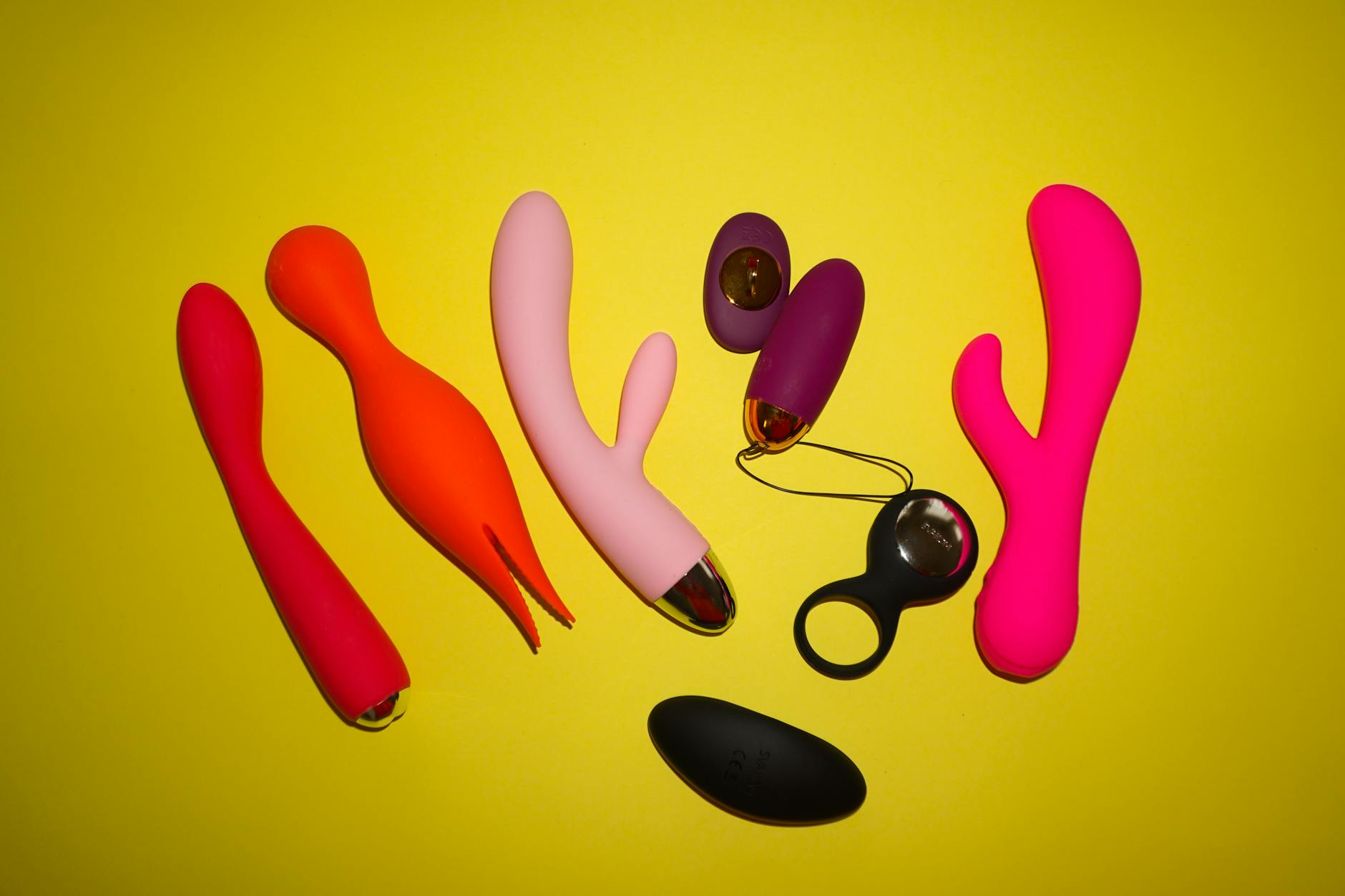
When intimacy feels broken, starting over is terrifying
Let's be real: the idea of rediscovering sexual pleasure with a partner after separation or divorce carries weight. Trust is fractured. Your body might not respond the way it used to. Vulnerability feels dangerous. And the pressure to "perform" again, to prove everything still works, can shut down arousal faster than anything.
I've worked with dozens of couples navigating this exact terrain. The ones who move forward fastest aren't the ones pushing back into their old sexual rhythm. They're the ones who build something entirely new.
Lemon vibrators, particularly the gentle suction-based designs like the Lem, have become an unexpected bridge for these couples. Not because they fix anything. But because they fundamentally change the dynamic: from "Can I still do this?" to "What can we explore together?"
Why pressure kills reconnection (even unspoken pressure)
After separation, the nervous system is already activated. Your threat-detection system is turned up. Then you add the weight of "this has to work" or "we need to get our spark back," and arousal becomes nearly impossible.
Here's what actually happens: penetrative sex (or traditional partnered touch) carries performance expectations. One partner worrying about stamina. Another worrying about lubrication. Both of you aware that if this doesn't work, it confirms every fear you had about the relationship ending.
That's not a recipe for pleasure. That's anxiety with clothes off.
Lemon clitoral vibrators shift the entire frame. A device that produces consistent, focused sensation removes the "am I doing this right" question. The clitoral suction of the Lem, for example, doesn't require a partner to read your body language or hit the exact right spot. It does the technical work. You and your partner get to focus on the part that actually matters: being together.
The anatomy of trust rebuilding through touch
One of the harder truths about post-separation intimacy is this: trust isn't restored through words. It's restored through small, consistent moments of safety.
Introducing a lemon sucker vibrator into partnered play creates a fascinating dynamic. Instead of one person "performing" pleasure on another, you're both in it together. Your partner might hold the device, giving them agency and control. Or you might guide it, taking the lead on what feels good. Either way, the device becomes a third thing you're both attending to together, not a replacement for connection.
This sounds technical, but emotionally, it's profound. You're practicing trust in a low-stakes way. You're learning each other's bodies without the weight of performance. You're literally rebuilding physical intimacy from the ground up.
Many couples find that this kind of play opens conversations they've been too afraid to have. "Harder?" "Softer?" "Can we try this?" These simple questions create dialogue. And dialogue is where real reconnection happens.
Why lemon vibrators specifically (not just any vibrator)
There's a crucial difference between traditional vibrators and suction-based clitoral vibrators like those from Hello Nancy.
Traditional bullet vibrators create sustained, often intense stimulation. They're fantastic for people who already know what they like. They're terrible for people rebuilding trust and exploring new sensation together. The intensity can feel jarring. The stimulation doesn't require presence or attention from a partner.
Lemon vibrators work differently. The suction action mimics a gentler, more natural sensation. It doesn't require direct friction, which matters for couples where one or both partners are dealing with sensitivity, tension, or nervousness. The sensation feels more integrated, less "machine against body."
For couples rebuilding after separation, that gentleness is everything. You're not trying to blow anyone's mind. You're trying to remember what safe touch feels like.
The practical setup that actually works
If you're thinking about introducing a lemon clitoral vibrator into partnered play after separation, here's what I tell my couples:
Start clothed. Seriously. Use the device over underwear first. This removes the pressure of being completely naked and "exposed." It's a bridge between no touch and full vulnerability.
Let your partner hold it. This gives them something to do besides worry about their own performance. It also keeps them engaged and present, rather than lying there anxious about whether they should be doing something else.
Talk about patterns and intensity beforehand. Don't have your first conversation about what you like mid-play. Decide together: "We'll start on pattern one, I'll tell you when I want to go higher." This removes the guessing game.
Set a timer. This might sound unromantic, but it's kind. Fifteen or twenty minutes of focused pleasure, then you stop. Not because anyone failed. Just because that was the plan. This creates safety through predictability.
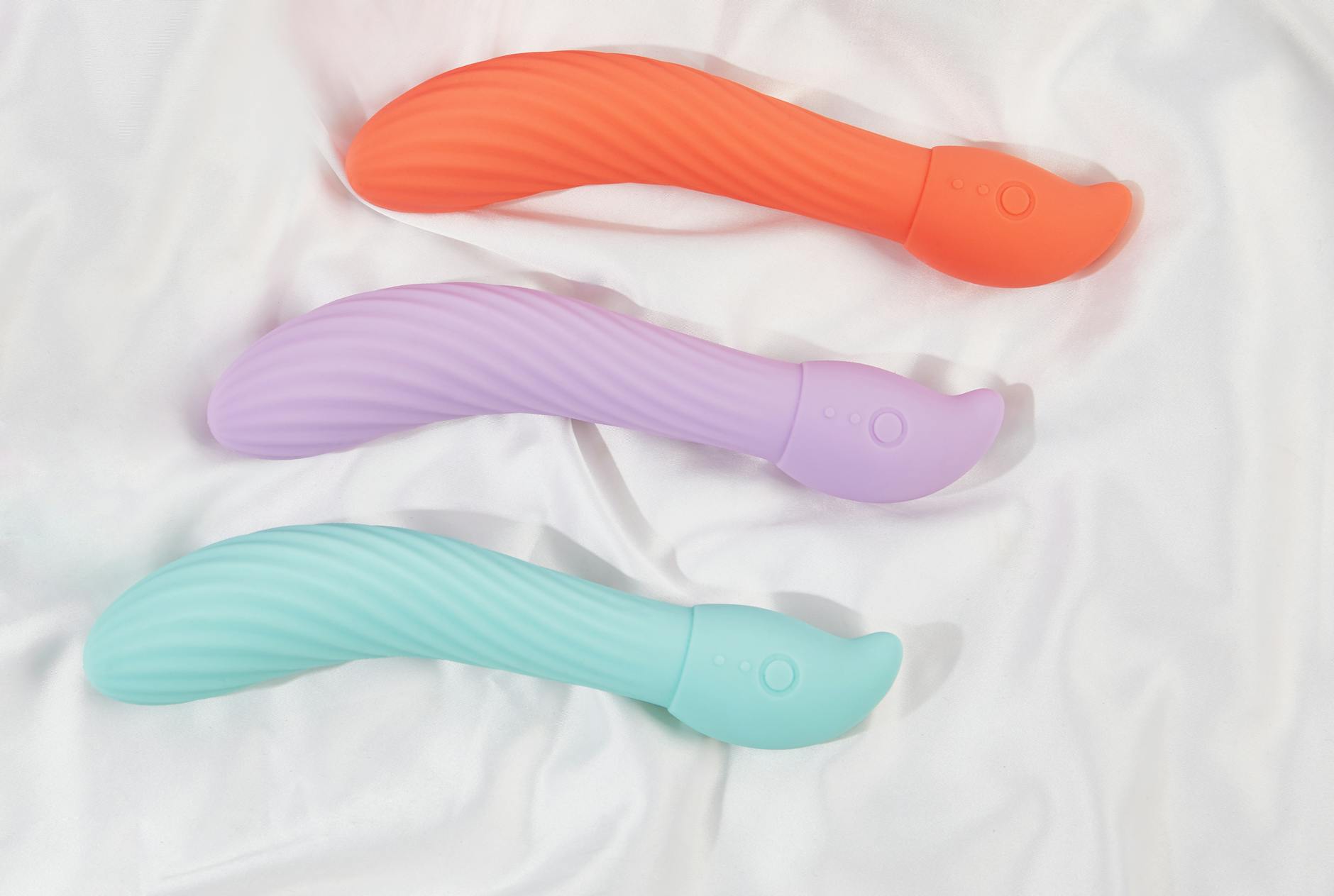
Photo by IFONNX Toys on Pexels
When communication breaks down (and how to recover)
Here's what I see go wrong: a couple introduces a lemon vibrator with good intentions, but one partner feels threatened. Maybe they interpret it as "you're not enough." Maybe the other partner gets frustrated because they expected instant arousal. Maybe it just feels awkward.
This is normal. Expected, even.
The antidote is conversation after the experience. Not during (that's pressure). But the next day: "How did that feel? What worked? What didn't?" You're treating this like a mutual experiment, not a test.
If one partner feels insecure about the device, name it directly. "I notice you seem hesitant. What's that about?" Vulnerability here actually builds trust faster than pretending everything's fine.
Many couples find that this specific kind of conversation—frank, kind, focused on sensation rather than performance—is the first real emotional intimacy they've felt since separation.
The bigger picture: rebuilding on your terms
Lemon vibrators aren't magic. They don't restore a broken relationship or force attraction that's gone. What they do is create a pathway for couples who want to reconnect but are scared.
They reduce performance pressure. They shift the frame from "Can we still do this?" to "What do we want to discover together?" They require presence and communication. And for couples rebuilding trust, those things matter infinitely more than technique.
I've watched couples who couldn't even touch each other for months find their way back to pleasure using a simple clitoral vibrator and real conversation. Not because the toy did anything magical, but because it gave them permission to rebuild intimacy on new terms.
Your old sexual rhythm isn't coming back. That's not a loss. It's an opportunity.
Frequently asked questions
Can using a lemon vibrator together make a struggling relationship better?
No. If the relationship itself is broken, a lemon clitoral vibrator won't fix it. But if you both want to rebuild and are just scared or disconnected, introducing gentle tools like a Lem vibrator can create the safe space where real reconnection happens. The device isn't the healer. Mutual effort and honesty are.
What if my partner feels threatened by a lemon vibrator?
Talk about it before introducing anything. Share what you're hoping for: "I want us to explore together and take the pressure off performance." If they're still resistant, respect that. Forcing a device into a relationship where one partner is uncomfortable will backfire. Sometimes couples work with a sex therapist or relationship counselor to explore what's underneath the resistance.
Is using a vibrator during partnered play cheating or unfaithful?
Not unless you've agreed together that it would be. Many couples who use lemon vibrators together report feeling more intimate and connected afterward, not less. The device becomes part of your shared experience. Talk about boundaries and expectations beforehand so you're both on the same page.
How do I bring this up to my ex or new partner after separation?
Be direct and kind. Something like: "I've been thinking about us reconnecting physically, but I feel nervous about performance pressure. I read about couples using vibrators together to take some of that pressure off. Would you be open to exploring that?" You're naming the real issue (fear of failure) and proposing a solution. That's honest conversation.
What if we have different desires or pain during intercourse?
A lemon clitoral vibrator is often more accessible than penetrative sex for couples dealing with pain, tension, or mismatched arousal. It can be the main event, not foreplay. It can also be used alongside other touch. The beauty is that it's flexible and doesn't require one specific type of touch to work. Talk with your partner about what you both enjoy, and remember that pleasure comes in many forms.
Should we try this alone first, or together?
It depends on your comfort. Some people like to understand how a device feels before introducing it with a partner. Others prefer to explore it together. There's no right answer. If you're rebuilding trust after separation, exploring together often feels safer because there's no secrecy and it's clearly a mutual decision.
Moving forward
Rediscovering intimacy after separation isn't about recreating what you had. It's about building something new, with clearer communication and fewer illusions about what sex is supposed to look like.
Lemon vibrators work for rebuilding couples because they're honest tools. They don't pretend that touch alone should be enough. They don't carry the weight of old patterns. They simply create space for new sensation and new conversations.
If you're nervous about reconnecting after separation, that's wisdom. Your body is protecting you. A lemon clitoral vibrator doesn't bypass that caution. It honors it by creating a gentler, more communicative pathway back to pleasure.
Start small. Talk honestly. Move slowly. And remember that the goal isn't performance. It's presence.