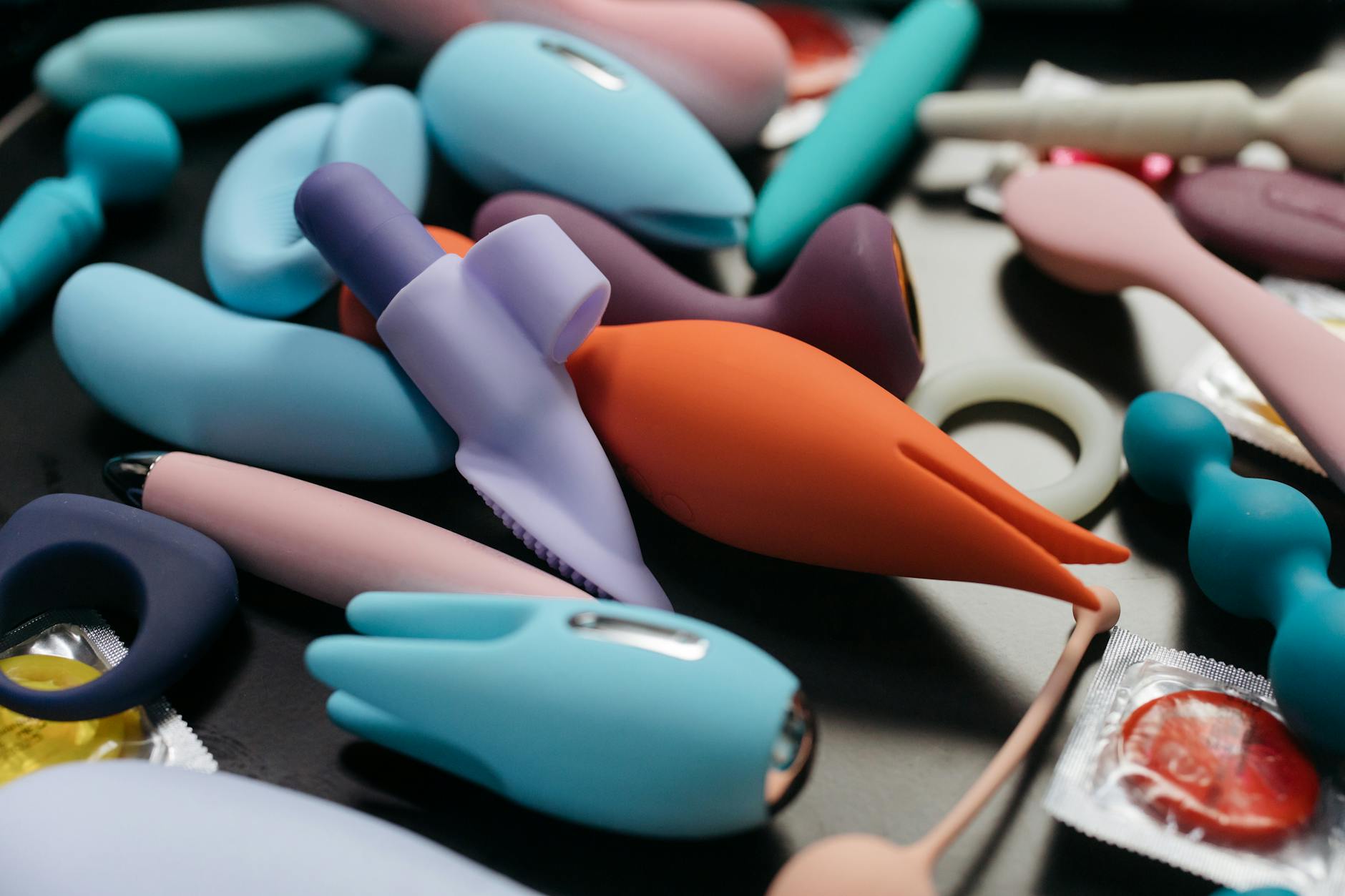
Why Lemon Vibrators Work Better for Sensitive Clits
Let's be real: if direct vibration makes you wince, you're not broken. You're sensitive, and sensitivity matters. The good news is that lemon vibrators—specifically air-suction designs like the Lem clitoral vibrator—work for bodies that find traditional vibration too intense, too sharp, or outright painful.
Here's what I've noticed working with couples navigating pleasure differences: sensitivity isn't a flaw to push through. It's useful information about what your body actually wants.
What makes sensitive clits different
Sensitivity comes down to nerve density, inflammatory response, and personal history. Some people are born with a higher concentration of nerve endings in their clitoris. Others develop sensitivity from friction irritation, hormonal shifts, or past experiences that made their nervous system more reactive. Penile sensitivity works the same way, by the way—it's not gendered, it's just nerve biology.
The clitoris has over 8,000 nerve endings in the glans alone. When you're sensitive, those nerves are firing signals faster and louder. A vibration pattern that feels like pleasant buzz to one person feels like sharp static to another.
Here's the kicker: sensitivity isn't lack of desire. I've worked with plenty of highly sensitive partners who have the strongest orgasms, the clearest arousal signals, and the most satisfying sex lives. The friction isn't the problem. The tool is.
How air-suction lemon vibrators bypass the friction problem
Traditional vibrators rely on oscillation—side-to-side movement at 50 to 150 hertz. That works by creating friction against tissue. For sensitive clits, friction is the enemy. It inflames the area, desensitizes through overstimulation, and can create a raw sensation that lingers for hours.
Air-suction technology (the design Hello Nancy uses in the Lem) works entirely differently. Instead of vibrating back and forth, it creates a gentle suction pulse—a rhythmic push-and-release of air against the clitoris. The sensation is less "tremor" and more "massage". Think of it as the difference between someone tapping your shoulder repeatedly and someone gently squeezing and releasing your arm.
For sensitive bodies, this changes everything. You get intense, building stimulation without the microabrasion that comes with friction-based vibration.
The science behind why suction feels better for sensitivity
When you use a lemon clitoral vibrator with air-pulse technology, you're engaging a different set of sensory receptors. Suction activates the Meissner's corpuscles and Pacinian corpuscles—the ones that register pressure and sustained sensation. Vibration primarily engages the Meissner's, which are fine-tuned for detecting rapid change.
For sensitive people, sustained pressure with rhythm feels more controlled and predictable than rapid oscillation. Your nervous system isn't being surprised every millisecond. You can actually build arousal instead of being jolted by intensity.
I've had clients describe suction-based lemon sexual toys as "finally understanding what an orgasm is supposed to feel like." Many had spent years either white-knuckling through vibration discomfort or avoiding toys entirely because "nothing worked." Suction-based design changed that equation.
Intensity without irritation
One of the most misunderstood things about sensitivity is that it means you want less pleasure. That's backwards. Sensitive people often want more pleasure—they just want it on their terms, without pain.
A quality lemon vibrator with multiple intensity levels lets you find your sweet spot. You can start at a low pulse and gradually increase, watching your body respond rather than tolerating sudden intensity. For sensitive clits, this gradual build is essential. It allows the tissue to accommodate the sensation without inflammatory response.
Another reason lemon clitoral vibrators work well: the design of suction-based toys concentrates stimulation in a smaller area. You're not vibrating the whole vulva. You're creating a specific, contained sensation where you want it. For sensitivity, that precision is gold.
Why traditional vibrators fail sensitive bodies
A standard vibrator's strength becomes its weakness for sensitive people. The higher the frequency, the more micro-injuries can occur in delicate tissue. Redness, rawness, temporary numbness—these aren't signs of pleasure, they're signs of damage.
I've worked with partners whose sensitivity has gotten worse over time because they were using tools that didn't fit their bodies. They'd push through discomfort, thinking that was normal. Then they'd need even more intensity to feel anything, because tissue damage had genuinely reduced sensation. It becomes a cycle.
Lemon sexual toys with air-suction design break that cycle because they don't ask you to ignore your body's signals. Intensity builds because of the cumulative effect of pressure, not because you're training yourself to tolerate more friction.
How to use a lemon vibrator if you have sensitivity
Start at intensity level one. I know this sounds obvious, but many people jump to higher settings because they're not getting sensation quickly. With suction-based devices, patience works. The sensation builds over 5-10 minutes as blood flows to the area and your nervous system adjusts to the rhythm.
Use a small amount of water-based lubricant around—not inside—the suction cup. This helps the seal stay strong without adding friction to the area inside the cup.
If you're using it with a partner, let them know what speed you're on. If you're alone, set a timer for your first session so you don't accidentally overstimulate while chasing sensation.
Many sensitive people find that using a lemon clitoral vibrator for 15-20 minutes, rather than shorter intense bursts, creates more sustainable pleasure and less afterache.
The partner conversation
If you're with someone and they have a sensitive clitoris, here's what I want you to know: it's not a barrier to mutual pleasure. It's information. "I need lower intensity" or "Suction feels better than vibration" aren't problems to solve. They're preferences to honor.
One of the best things a partner can do is help create space for exploration without pressure. If you're trying a new lemon vibrator together, make it about curiosity, not performance. What intensity does your partner enjoy? Do they prefer the sensation on a specific setting? What kind of rhythm gets them there?
I've seen couples connect more deeply through this kind of attentive exploration than through any amount of assumption-based sex. Sensitivity, in this context, becomes a gift. It means you have to actually pay attention.
When sensitivity might need extra support
If you're experiencing pain during any kind of stimulation—not discomfort, but actual pain—talk to a gynecologist. Sometimes sensitivity is a symptom of vulvodynia, dermatological sensitivity, or hormonal imbalance that can be treated.
Hormonal changes, especially during the cycle or after hormonal birth control, can temporarily increase sensitivity. This is temporary and usually settles. A lemon vibrator is actually ideal for these periods because it won't worsen the inflammation.
If you're recovering from sexual trauma, sensitivity may be neurological rather than physical. A trauma-informed sex therapist can help you understand what your body is signaling. Many find that air-suction devices feel safer than traditional vibrators because the sensation is more contained and controllable.
The bottom line on lemon vibrators and sensitivity
Your sensitivity isn't a limitation. It's a different design requirement. The right lemon clitoral vibrator—one that uses air-pulse suction instead of friction-based vibration—can give you the intense, sustained pleasure you deserve without pain, irritation, or compromise.
If you've written off vibrators because direct vibration hurt, it's worth revisiting with a tool designed for sensitive bodies. You might be surprised by what actually works.
People also ask
Can a sensitive clitoris still orgasm with vibrators?
Absolutely. Sensitivity doesn't mean inability—it means the wrong tool creates discomfort. Many highly sensitive people experience their strongest orgasms with suction-based devices because the sensation builds gradually without shock. It's like the difference between being startled and being pleasantly surprised. Both involve stimulation, but one creates openness and the other triggers a defensive response.
What's the difference between a lemon sucker and a traditional vibrator for sensitive skin?
A traditional vibrator uses rapid oscillation (vibration) to create sensation. A lemon sucker—sometimes called an air-pulse or suction vibrator—uses rhythmic air pressure instead. The suction approach doesn't create friction against sensitive tissue, which means less inflammation, less microabrasion, and more comfortable sustained use. Most people with sensitivity find suction gentler and paradoxically more intense.
How do I know if my clitoris is sensitive or if I'm just using the wrong vibrator?
If you experience pain, rawness, or numbness after using vibrators, that's often a tool mismatch rather than a you problem. Try a lower intensity level on a suction-based device first. If that feels better, you've got your answer. If you're experiencing persistent pain even with gentle stimulation, talk to a gynecologist—sometimes sensitivity signals something like dermatological irritation or hormonal imbalance that benefits from treatment.
Is using a lemon clitoral vibrator for sensitivity safer than pushing through pain with other vibrators?
Yes, significantly. Pushing through friction discomfort creates tissue damage over time, which actually reduces long-term sensation and increases future sensitivity. Using a tool designed for your body—like a suction-based lemon vibrator—respects your nervous system's signals rather than training yourself to ignore them. That's safer and more sustainable.
Can I use lubrication with a lemon vibrator if I have a sensitive clitoris?
Yes, but less is more. A small amount of water-based lubricant around the outer area of the suction cup can help maintain the seal. Don't use silicone-based lubes with silicone toys, as they can break down the material. Inside the cup, you want the sensation to be suction-based, so go light on lube there. Some people find that the suction itself creates enough moisture over time.
Does sensitivity to vibrators mean I won't enjoy oral sex or manual stimulation?
Not at all. Vibration sensitivity is specific to how oscillating tools stimulate. Manual touch and oral sex feel completely different—they use pressure, movement patterns, and rhythm that your body can control in real time. Many sensitive people love oral sex and manual play but dislike vibrators because they can't modulate intensity mid-sensation. A lemon vibrator with adjustable settings gives you some of that control back.
Keep exploring
If you're curious about what works for your specific body, our Complete Guide to Lemon Vibrators digs into how different designs match different preferences. And if you want to chat through what might be right for you, we're always here. Just reach out at /contact.
Your pleasure matters. So does your comfort. The right tool honors both.