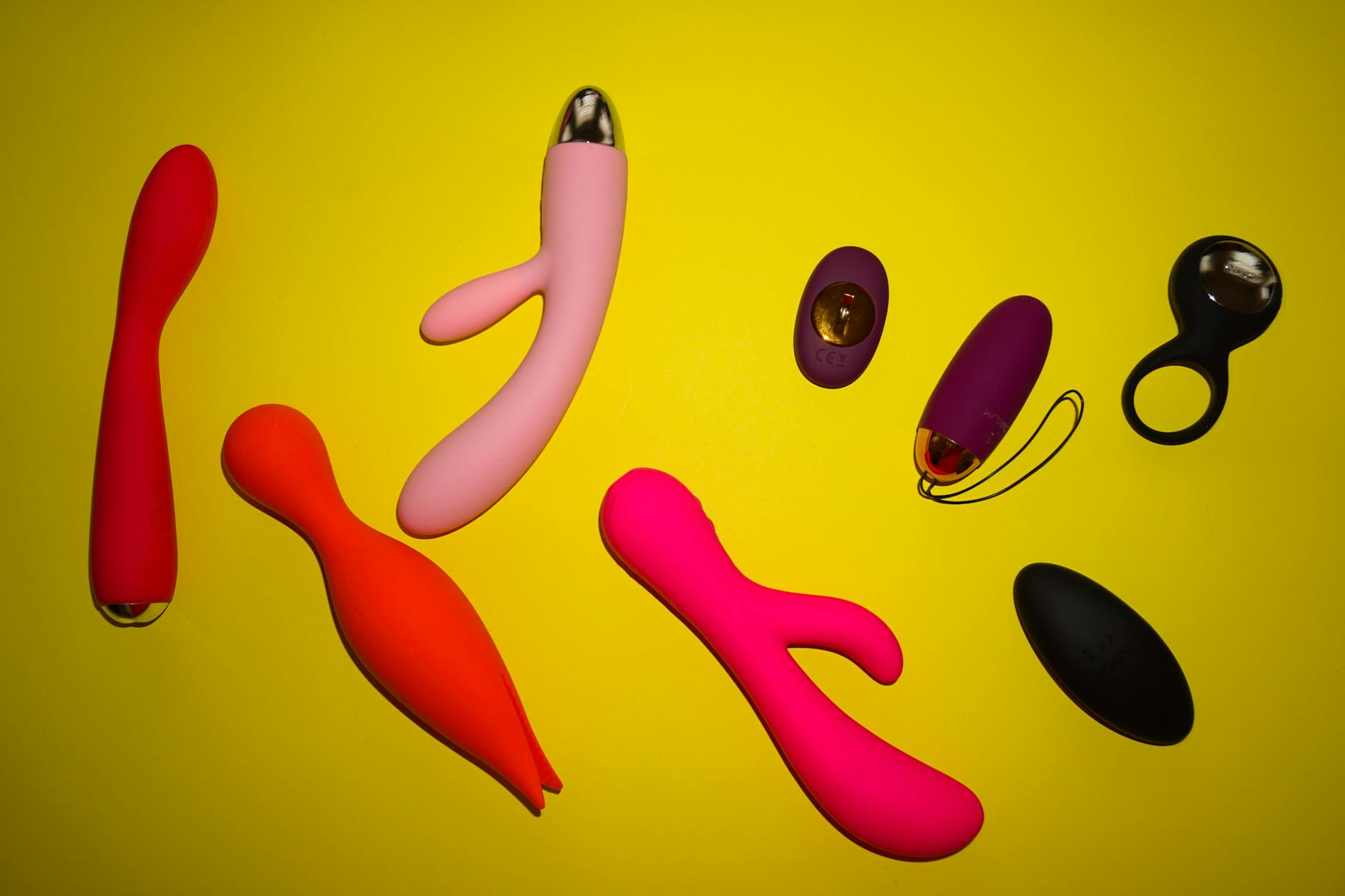
How Lemon Vibrators Maintain Sensitivity During Hormonal Transitions
Hormones are running the show. You already know this. What you probably don't know is how your body's sensitivity to touch actually shifts when those hormones dip, spike, or flatline. And more importantly, how the right tool makes the transition seamless instead of frustrating.
Here's the thing about hormonal change: it doesn't end pleasure. It rewires it. And that's where lemon vibrators, with their unique suction-based design, become genuinely different from what you've been using.
What hormonal shifts actually do to sensitivity
Let's get specific about the physiology. When estrogen fluctuates (whether you're in perimenopause, postpartum, or cycling through your regular month), tissue thickness changes. The vulva has fewer blood vessels dilating with the same speed. The clitoris—which has about 8,000 nerve endings—is the same, but the surrounding tissue's responsiveness changes how you feel that stimulation.
Testosterone also matters here, even if you haven't thought about it much. It's a major player in desire and sensitivity for everyone with ovaries. When it dips, arousal takes longer to build. When it's unstable, sensitivity can feel unpredictable.
The pelvic floor muscles, which are estrogen-responsive, lose some tone and flexibility. This changes not just arousal, but how orgasms feel—sometimes sharper, sometimes more dispersed, sometimes harder to reach.
The common response? "My body doesn't work anymore." Wrong. Your body works differently. And once you understand the difference, you can actually work with it instead of against it.
Why pressure changes everything during hormonal transitions
Traditional vibrators rely on vibration frequency to stimulate the clitoris. Vibration is direct mechanical pressure. During stable hormone periods, that pressure feels good. During transitions—when tissue is thinner, more reactive, or less engorged—direct pressure can feel overwhelming, sharp, or numbing.
Lemon vibrators use air-suction technology instead. This matters wildly during hormonal shifts because suction creates a gentle, enveloping sensation rather than a percussive one. You're not relying on the tissue being thick enough or responsive enough to tolerate mechanical force. You're working with the body's actual blood flow and nerve sensitivity as it is right now.
This is why so many people experience their first satisfying orgasms in years once they switch from traditional vibrators to a lemon clitoral vibrator during a hormonal transition. It's not magic. It's physics meeting biology.
The perimenopause sweet spot
If you're in perimenopause, your hormones are literally on a roller coaster. One week you feel like yourself. The next, sensitivity is completely different. This is genuinely maddening because it makes it hard to know what actually works.
Lemon vibrators handle this better than anything else I've seen clients use. The variable intensity settings let you adjust to how your body feels that specific day. You're not locked into one rhythm. You can start at pattern one or two—the gentler settings—and work up only as much as feels good. Some days that's pattern five. Some days it's pattern two. The device grows with you instead of against you.
Patients in perimenopause also report that the wider stimulation area of a lemon sucker feels less jarring. It's stimulating a larger surface, so sensitivity feels distributed rather than pinpointed. That distribution matters when your tissue is fluctuating.
Postpartum recovery and sensitivity rebuilding
Postpartum is a specific kind of hormonal transition, and it comes with its own sensitivity challenges. Estrogen drops sharply. Prolactin spikes if you're nursing. The pelvic floor has been through trauma, even with an uncomplicated birth. Sensitivity isn't just lower. It's often tender in ways that make traditional vibrators feel wrong.
The gentler approach of lemon suction stimulation is why so many postpartum people find their way back to pleasure faster with these devices. You're not waiting for tissue to regain thickness before you can enjoy yourself again. You're using a tool that works with the actual tissue you have right now.
If you're thinking about using a lemon vibrator postpartum, wait until you've been cleared for sexual activity (usually 6 weeks minimum, longer if there were complications). Then start conservatively. The lowest settings are genuinely enough. You might be surprised how quickly sensitivity returns when you're working with your body instead of against it.
How to adjust your technique as hormones shift
Three concrete changes that make all the difference:
One. Extend your warm-up time. Hormonal changes slow arousal. Budget 15 to 25 minutes of foreplay, touching, or mental focus before you introduce the lemon vibrator. Your body needs time to engorge the tissue and prepare sensitivity. This isn't failure. It's working smarter.
Two. Use water-based lubricant. Hormonal shifts often reduce natural lubrication (this is especially true in perimenopause and postpartum). Add external lubrication. It doesn't mean anything is wrong. It's just accommodation. Thinner tissue actually benefits from the extra slip, and it reduces friction that might feel sharp rather than pleasurable.
Three. Start lower, stay longer. With a lemon clitoral vibrator, you don't need to jump to settings five or six. Patterns one through three are often where the magic lives during hormonal transitions. Spend five to ten minutes at a lower setting. Let sensitivity build gradually. Your nervous system will thank you.
The emotional layer nobody talks about
Hormonal transitions often arrive alongside other things: anxiety about your changing body, grief about fertility or youth, relationship stress, or just the exhaustion of managing multiple life transitions at once. That emotional layer directly affects sensitivity and arousal.
Your clitoris doesn't exist in isolation. It's connected to your brain, your stress levels, and your sense of safety. When you're worried about whether your body "still works," arousal suffers. When you use a tool that actually feels good during a difficult transition, it sends a different message to your nervous system: "Your body is not broken. It's adapting. And pleasure is still available."
That's not small. That's actually how you move through hormonal transitions with your sexuality intact instead of questioning whether it survives at all.
When to reach out for professional support
If pain appears during pleasure, talk to a gynecologist who specializes in hormonal transitions. Genitourinary syndrome of menopause (GSM) or postpartum tissue trauma are real and treatable. Topical estrogen cream can rebuild tissue in weeks. A pelvic floor physical therapist can teach you how to relax your pelvic floor, which tightens during transitions and makes everything feel harder.
If desire has completely flatlined and isn't returning after a few weeks of adjustment, hormonal support might help. Testosterone therapy is worth discussing with a provider who takes it seriously. It's conservative in some countries and more accessible in others, but it exists.
Most of the time, though, the shift just requires patience, the right tool, and permission to work with your body as it actually is.
The real pleasure advantage
Here's what I've observed after years of working with people through hormonal transitions: the ones who come out the other side with the strongest, most reliable pleasure are the ones who experimented with what worked during the transition itself.
You learn your body in a new way. You discover what sensitivity actually means. You stop expecting your pleasure to look like it did before and start enjoying what it looks like now. Lemon vibrators support that discovery because they work with hormonal shifts instead of requiring you to wait them out.
Your capacity for pleasure doesn't expire. It transforms. And with the right approach, those transformations often lead somewhere better than where you started.
People also ask
What sensitivity settings work best during perimenopause? Start with settings one through three on your lemon vibrator and observe what your body responds to each day. Perimenopause hormones fluctuate, so your ideal setting might shift week to week. This isn't frustrating once you accept it as normal. It's your body communicating what it needs right now.
Can I use a lemon vibrator immediately after giving birth? Wait until you've been cleared for sexual activity by your care provider (typically six weeks post-birth, longer if there were complications or stitches). Then begin with the lowest settings and water-based lubricant. Your postpartum body is healing, and sensitivity is rebuilding. A lemon clitoral vibrator respects that timeline better than traditional vibrators because it doesn't require tissue to be fully resilient yet.
Why do traditional vibrators feel numb during hormonal transitions? Direct mechanical vibration requires a certain amount of tissue engagement to feel pleasurable. During hormonal transitions, when tissue is thinner or less engorged, that mechanical pressure can feel desensitizing rather than stimulating. Lemon suction vibrators work with lower levels of tissue engagement, so they maintain sensation when traditional tools feel numb.
How does lubrication affect sensitivity with a lemon vibrator? Lubricant reduces friction and allows the suction seal to work more smoothly against the tissue. During hormonal transitions when natural lubrication drops, external lubricant actually enhances sensitivity by letting the device move with your body instead of creating drag. Water-based lubes are the standard choice for silicone devices.
Is hormonal-related sensitivity change permanent? No. Sensitivity shifts with hormonal cycles and major transitions, but it stabilizes once your body adjusts to new hormone levels. Some people find their sensitivity becomes more reliable and responsive post-transition because they've learned how their body actually works instead of how they assumed it should work.
Should I explore lemon vibrators for sensitive clits during my transition? Absolutely. Hormonal transitions create temporary sensitivity changes, and exploring tools designed for sensitive tissue during this time often reveals what you'll actually prefer long-term. You might discover that you don't go back to your old device once you've adapted to something gentler and more responsive.