Let's talk about what happens when sensation just... stops
You're touching yourself and wondering if your body forgot how to feel. Or you're with a partner and nothing's landing the way it used to. Reduced clitoral sensitivity isn't failure. It's physiology catching up with life.
The frustrating part? Most people assume sensitivity loss is permanent. It isn't. And the tool that works best for rebuilding it often isn't the one you've been using.
Why clitoral sensitivity changes
Sensitivity loss happens for predictable reasons. Hormonal shifts during perimenopause or after hormonal birth control can numb the area. Medications like antidepressants or antihistamines reduce sensation as a side effect. Aging alone changes nerve density and blood flow to the clitoris. Pelvic floor tension from stress or trauma can literally dampen responsiveness.
What's interesting is that most of these causes are reversible or manageable. Your clitoris didn't break. The signal between your nerve endings and your brain just got quieter.
This is where lemon vibrators do something different. Unlike traditional vibrators that rely on repetitive buzzing, lemon clitoral vibrators use suction and pulsing rhythms that wake up nerve endings that have gone dormant. The sensation is gentler but often more effective at building arousal from a state of numbness.
How suction works differently than vibration
Traditional vibrators rattle. Suction toys gently pull and release, creating a rhythmic pressure wave. For someone with reduced sensitivity, that difference matters.
Here's why. Vibration can feel like background noise when your nerves aren't firing properly. Suction, by contrast, engages the tissue differently. It creates a pressure change that stimulates more nerve pathways at once. Think of it like the difference between tapping someone's shoulder repeatedly (vibration) versus pressing your hand on it and releasing in rhythm (suction).
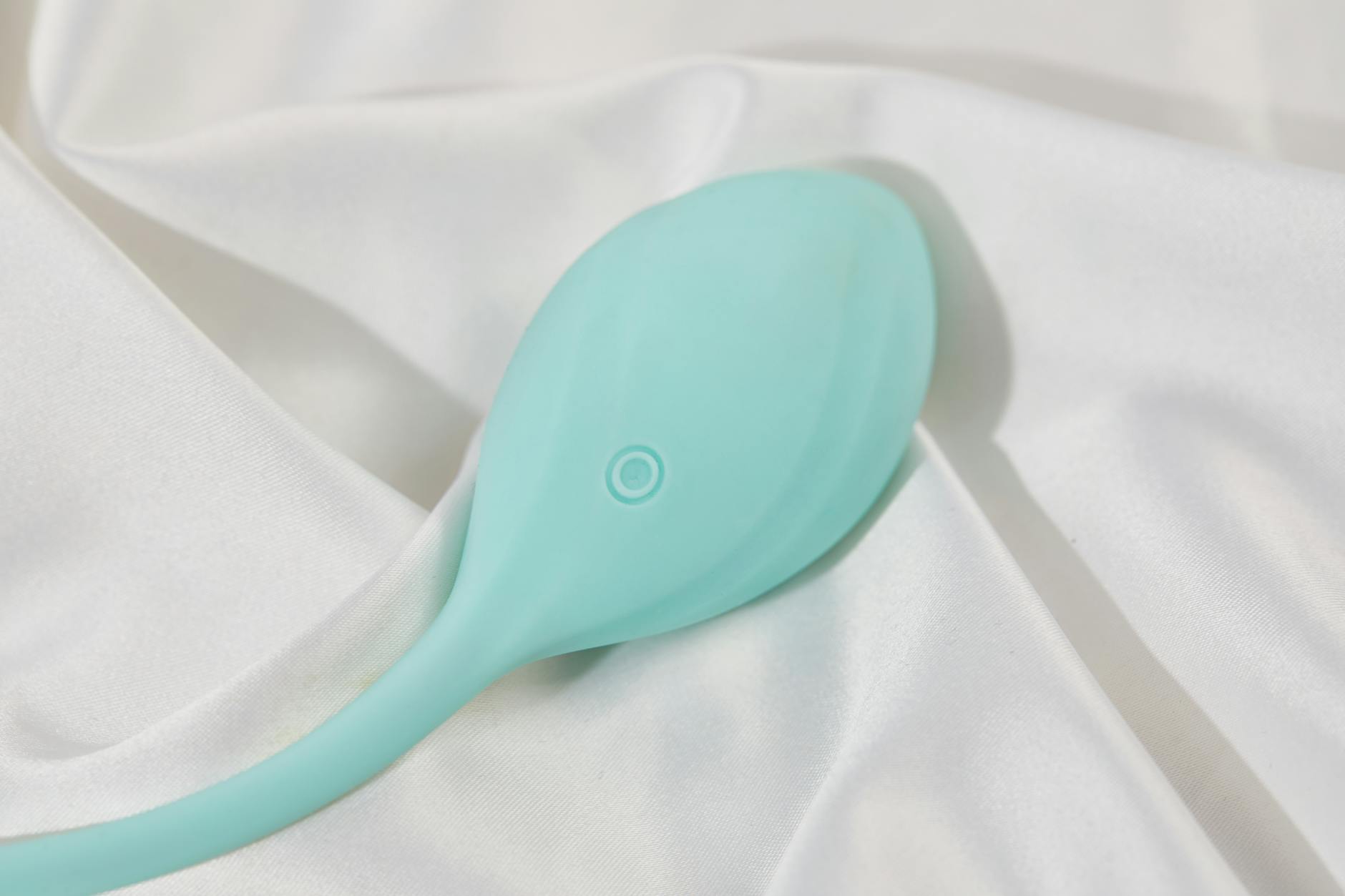
The Lem by Hello Nancy works this way. Instead of pure vibration, it creates a pulsing suction that draws the clitoris gently upward and releases. For people experiencing numbness, this often feels like pleasure is waking up again.
Starting low and building tolerance
When sensitivity is reduced, your instinct might be to go harder and faster. Resist that. The opposite strategy works better.
Start on the lowest suction setting. You should barely feel it at first. That's the point. Spend 3-5 minutes at setting 1, just getting used to the sensation. Your nerve endings need time to remember how to respond. Pushing too hard too fast teaches your body to shut down even more.
After a week of consistent use at low settings, you'll notice something shift. The numbness starts lifting. That's when you move to setting 2. Stay there for another week. This matters because pleasure rebuilds gradually, like any other physical capacity.
Most people find that after 2-3 weeks of this pattern, their sensitivity has noticeably returned. Your brain and body are essentially relearning the pleasure pathway.
Combining lemon clitoral vibrators with manual touch
Don't skip your hands. The most effective approach combines a lemon clitoral vibrator with manual stimulation.
Here's a rhythm that works. Use the Lem on setting 1 for 2-3 minutes. Then set it aside and use your fingers at the same slow pace for another 2-3 minutes. Alternate back and forth. What you're doing is reminding your nervous system that sensation comes from multiple sources. Your brain learns to recognize pleasure again.
Many people find that after a few sessions, they can feel the toy more intensely. Your sensitivity hasn't changed, but your awareness of sensation has expanded. This is why you don't need to jump to higher settings just because you can tolerate them.
The role of lubrication you're probably missing
Water-based lubricant isn't just comfort. It's therapeutic here.
When sensitivity is low, dry tissue can feel muted. Adding lube changes the transmission of sensation. The suction from a lemon vibrator moves differently on lubricated tissue, and your nerve endings pick up the signal more clearly. Use a generous amount. Reapply halfway through.
This also means you're not grinding the toy against dry tissue, which can actually reduce sensitivity further over time. Lube protects the tissue while amplifying sensation.
Timing matters more than you think
Sensitivity fluctuates throughout your cycle if you menstruate, and throughout the day regardless. Clitoral sensitivity tends to be highest in the morning and often lowest during high-stress periods.
If you're rebuilding sensitivity, time your practice sessions for when your body is already most responsive. Early morning, or right after you've done something calming like yoga or a bath. Your nervous system is already primed.
Avoid using a lemon clitoral vibrator when you're stressed, rushed, or multitasking. Your brain won't register the sensation properly. Give yourself 15-20 minutes and actual focus.
What reduced sensitivity often means about your relationship
If you're in a partnership, reduced sensitivity can create friction. Your partner tries the same techniques that used to work and gets frustrated when nothing lands. You feel broken.
The conversation to have is simple. "My body is responding differently right now. We're going to figure this out together, but it's going to look different for a while." That's it. How Lemon Vibrators Improve Intimacy After Major Life Changes covers this in depth, but the core message is that sensitivity changes are temporary and usually manageable with the right approach.
If you're exploring solo, use this time to get reacquainted with your body. You might discover that your sensitivity returns stronger in some areas than others. That information is valuable.
When to check in with a provider
If reduced sensitivity has appeared suddenly alongside pain, numbness in other parts of your body, or dramatic mood or energy shifts, mention it to your doctor. Rarely, sensitivity loss signals something that needs medical attention.
Most commonly, though, reduced sensitivity is tied to hormones, medications, or stress. All of which are manageable. If you're on an antidepressant and notice your sensitivity has tanked, ask your prescriber about timing (taking it at night instead of morning sometimes helps) or whether there's an alternative. Many doctors assume sexual side effects are permanent when they're often just about dosing or timing.
For hormonal shifts, a healthcare provider who specializes in menopause or gynecology can discuss topical estrogen or other options. It's a real conversation worth having.
The practice that actually restores sensation
Consistency beats intensity every time. Five minutes with a lemon vibrator on low setting, every other day, will rebuild sensitivity faster than one intense 30-minute session once a month.
Your nervous system learns through repetition. Each time you use the toy, you're sending a signal to your brain that this area is safe, responsive, and worth paying attention to. That signal compounds.
Most people notice real change after 2-3 weeks of consistent practice. After a month, many report that sensitivity has returned to baseline. Some find it's actually heightened compared to before. The clitoris, it turns out, responds well to patience and the right tool.
The deeper shift
Reduced sensitivity often arrives packaged with shame or frustration. You might assume your body is aging out of pleasure. It isn't. What's happening is that your nervous system has recalibrated, and you need different input to wake it back up.
A lemon clitoral vibrator isn't a workaround. It's the right tool for the job. The suction design does something that traditional vibrators can't replicate. And approaching sensitivity restoration as a gradual, consistent practice rather than a problem to force mirrors how bodies actually work.
Your pleasure isn't behind you. It's waiting for the right approach to bring it forward.
Common questions about restoring clitoral sensitivity
Can reduced sensitivity from antidepressants come back with a lemon vibrator alone?
Often yes, but not always completely. A lemon clitoral vibrator can help rebuild sensation and arousal, especially when used consistently over several weeks. However, if the numbness is severe or tied to your specific medication, talking with your prescriber about dose timing or alternatives is worth doing. Many people find that using a Lem alongside a medication adjustment brings the biggest shift.
How long does it take to notice sensitivity returning?
Most people feel a shift within 2-3 weeks of consistent use, especially if they're starting on low settings and building up. Full sensitivity restoration can take 4-6 weeks, depending on the cause. Hormonal changes take longer than medication side effects, generally speaking.
Is it normal for sensitivity to return unevenly?
Completely normal. You might notice your left side responding faster than your right, or the outer edges waking up before the core. This is just your nervous system recalibrating. Keep using the toy consistently and the unevenness typically evens out over time.
Should I use my lemon vibrator every day or give my body breaks?
Every other day works better than daily, especially when you're rebuilding sensitivity. Daily use can sometimes lead to overstimulation, which paradoxically reduces sensation further. Every other day gives your nervous system time to integrate the signal and build baseline responsiveness.
What if I use a lemon clitoral vibrator and feel nothing at all?
Start even lower. If you're on setting 1 and feeling nothing, spend a full week just holding the toy against your clitoris without turning it on. Let your body get used to the presence of the object. Then try the lowest setting for just 30 seconds. Your nervous system might need more time to wake up, and that's okay.
Can a partner help rebuild my sensitivity?
Yes. Having them use a lemon vibrator on you, or combining their touch with suction stimulation, can actually accelerate sensitivity return because it adds the element of anticipation and relaxation that comes with partnered touch. Why Lemon Vibrators Feel Better for Couples Exploring Together explores this in detail, but the short version is that partnership can speed the process when both people are patient and present.
Sources and references
Medical research on clitoral sensitivity and age:
- Biological Psychology: Studies on vibrotactile sensitivity in aging populations (peer-reviewed)
- Sexual & Relationship Therapy: Effectiveness of suction-based stimulation devices in sensitivity restoration (academic journal)
- The Journal of Sexual Medicine: Medication-related sexual dysfunction and remediation strategies (clinical overview)
- Menopause Review: Hormone therapy and clitoral sensitivity during perimenopause and postmenopause (systematic review)
The information in this article reflects established clinical understanding of clitoral physiology and evidence-based approaches to sensitivity restoration. If you have specific health concerns, consult a qualified healthcare provider.