When pleasure goes numb
Let's be real. Numbness changes everything. Whether it's from antidepressants, diabetes, years of certain medications, or just the biological shift of aging, when sensation fades, sex stops feeling like something your body enjoys and starts feeling like something you're supposed to want. That gap between expectation and feeling creates its own kind of frustration.
Here's the thing though: numbness doesn't mean game over. It means you need different tools and different technique.
Why numbness happens (and why it matters)
Sensation loss usually comes from one of three places. Medications like SSRIs dampen neural responsiveness throughout the body, including in the genitals. Nerve damage from diabetes or other conditions reduces the density of receptors that pick up touch and pressure. And hormonal changes naturally thin tissue and slow blood flow, which affects how quickly signals reach the brain.
The clitoris doesn't disappear when you go numb. Your nerve endings are still there. The pathway between sensation and pleasure just gets longer, quieter, harder to hear.
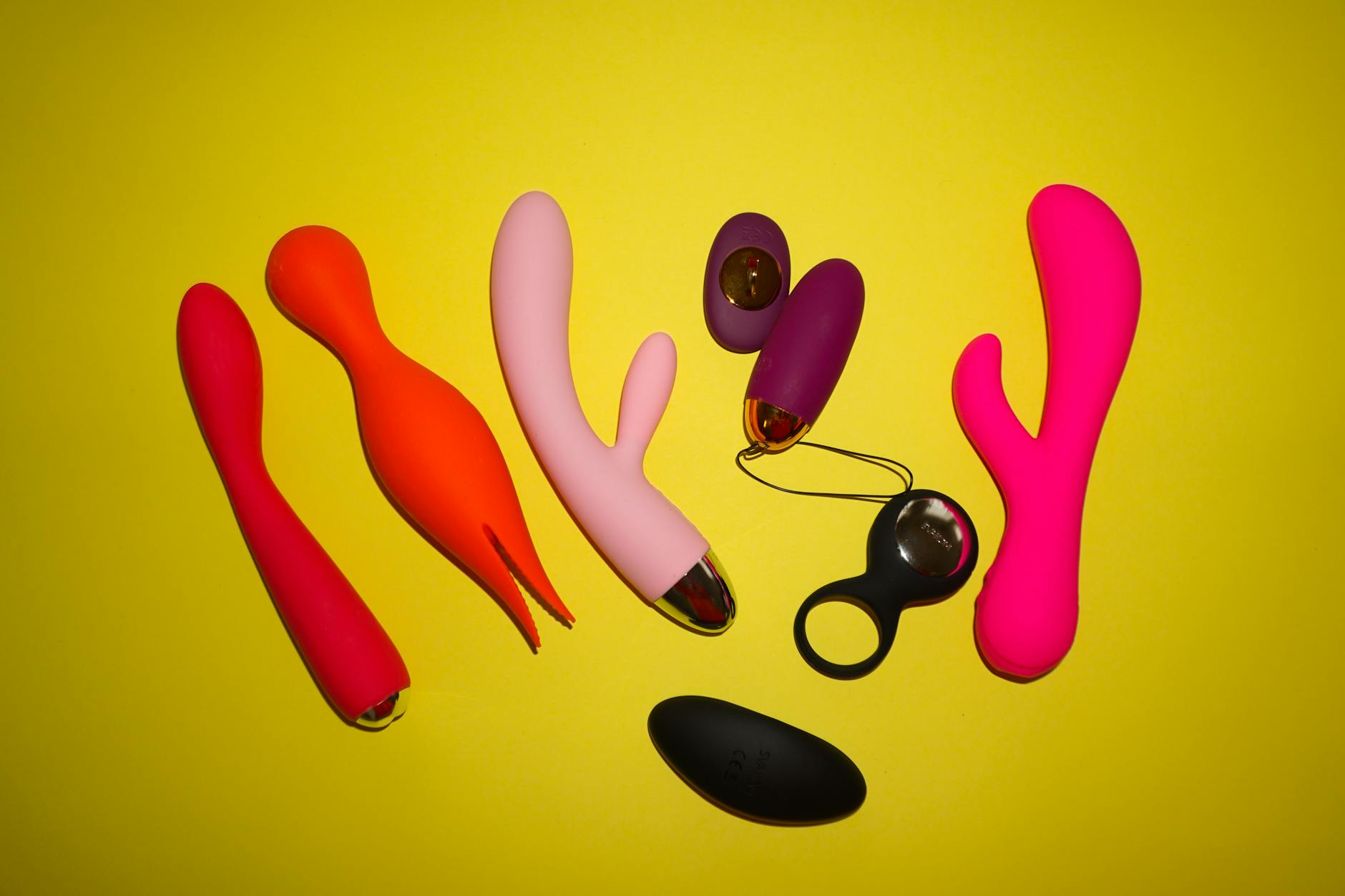
That's where something like a lemon clitoral vibrator becomes genuinely useful. Suction-based stimulation (what lemon sexual toys do best) works differently than traditional vibration. Instead of relying on fast oscillation alone, suction creates rhythmic pressure waves that reach deeper tissue and activate a wider nerve network. For people with reduced sensation, this can be the difference between feeling something and feeling nothing at all.
How to start when you're not sure you can feel it
First, manage your expectations. You won't necessarily feel a dramatic rush the first time. What you're looking for is any shift, any small spark of sensation. A slight warmth. A gentle pulling feeling. A barely-there tingle. These are wins.
Start with the lemon vibrator on the lowest setting. Lowest. Not setting two, not "medium low." Lowest. The temptation is to crank it up to compensate for numbness, but high intensity on numb tissue often just feels like pressure, not pleasure. Lower intensity invites you to pay attention instead.
Apply it directly to the clitoris, not around it. With reduced sensation, diffused stimulation won't break through. Precision matters. Press gently and hold it for 10 to 15 seconds, then release and rest for 10 seconds. Repeat. You're not aiming for an orgasm right now. You're training your nervous system to recognize sensation again.
Budget 15 to 20 minutes. Numbness responds to patience, not force. Give your body time to wake up.
The pattern progression that helps
Once you've spent a few sessions on the lowest setting, try this progression:
Week one: Lowest setting, direct contact, 20-minute sessions, three to four times weekly.
Week two: Same setting, but now experiment with holding contact for 20 seconds, then releasing. This teaches your body to recognize sustained stimulation.
Week three: Move to setting two if you're feeling even small sensations returning. If not, stay on setting one. There's no timeline here.
Week four and beyond: Once you notice actual pleasure (not just the intellectual idea that this should feel good), gradually increase intensity. Your sensation baseline will rebuild faster now.
The key: only move up when pleasure is actually present, not when you think you should be ready.
Why mental state matters way more than you think
Here's something that trips people up. Numbness triggers anxiety. Your brain notices you can't feel something, panics that pleasure is broken forever, floods your system with cortisol, and guess what? Cortisol further reduces peripheral sensation. You get stuck in a loop.
Breaking that loop means separating two conversations. One is physiological: "My medication affects sensation." The other is psychological: "If I can't feel it, I'm broken." They feel the same but they're not. One is data. The other is fear.
When you're using a lemon vibrator specifically to address numbness, go in knowing that small sensation changes are the goal. A 5 percent increase in feeling is success. You're not chasing an orgasm. You're rebuilding the signal between your body and your brain. That reframe alone changes everything.
If you have a partner, tell them this too. "I'm working on something that feels broken, so I might need 20 minutes alone with this," is infinitely better than mysterious silence that makes them wonder if something's wrong with the relationship.
When to combine it with other approaches
A lemon clitoral vibrator is powerful, but it's not a solo fix if your numbness has a medical root. If you're on an SSRI, talk to your doctor about timing. Some people find taking their dose right after sex rather than before opens up a wider window of sensation. If you have diabetes-related nerve damage, working with a pelvic floor physical therapist can improve circulation and nerve function alongside vibrator use.
Another thing worth trying: adjusting your lemon vibrator techniques based on your body's sensitivity level. The settings that work for someone with normal sensation might completely miss the mark for you. Numbness sometimes responds better to a very specific pattern than to broad stimulation.
Lubricant helps too, even if you're not dry. Water-based lube makes skin more conductive and helps the suction seal work more effectively. More effective suction means more reach into deeper tissue.
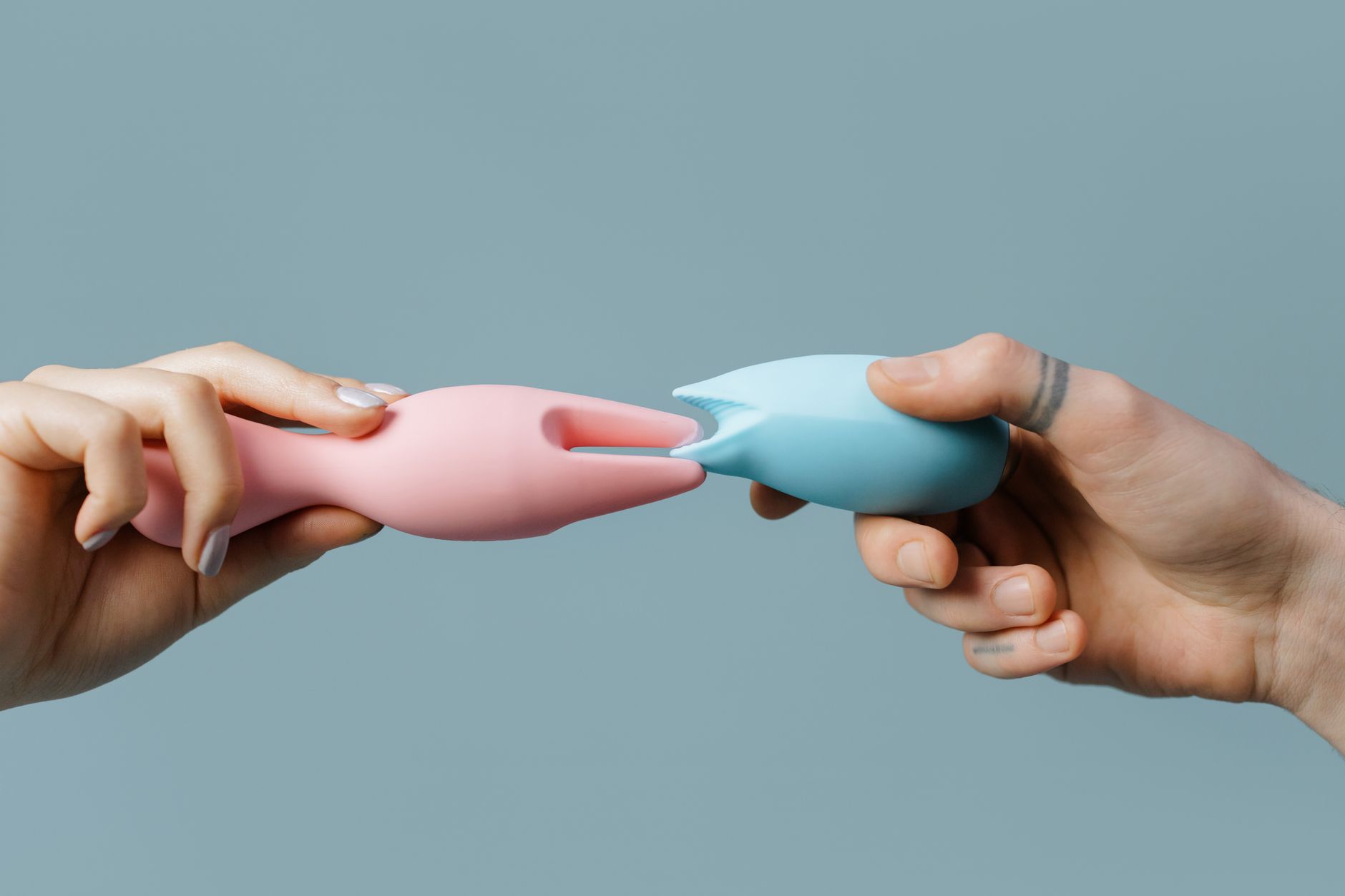
Photo by cottonbro studio on Pexels
The timeline for feeling again
If your numbness is medication-related and recent, you might feel shifts in two to three weeks of consistent use. If it's long-standing or from nerve damage, expect two to three months. If it's age-related, tissue changes are slower, so give yourself at least four to six months of regular use before deciding whether this is working.
Consistency matters more than intensity. Three 20-minute sessions a week beats one 90-minute marathon. Your nervous system learns through repetition.
Some people get 80 percent of their sensation back and plateau. Some get all the way there. Some find that while full sensation never returns, the pleasure they do feel becomes more satisfying because they had to work for it. That last one sounds like a consolation prize but it's not. When you rebuild sensation intentionally, you notice it. You're present for it. That changes the experience fundamentally.
When numbness is telling you something
Numbness isn't always just a side effect to work around. Sometimes it's also a signal. If you're numb and you haven't talked to your doctor about it, that matters. Some medications have alternatives that affect sensation less. Some dosages can shift. And some types of numbness point to bigger health issues worth investigating.
Use a lemon vibrator as part of the solution, not instead of getting proper care. Think of it this way: you wouldn't ignore knee pain by just icing it forever. You'd get it checked. Same logic applies here.
If you're working with how to use a lemon vibrator when returning to pleasure after years apart, and numbness is part of that equation, give yourself grace. Your body isn't broken. It's just been quiet for a while. These tools exist to help you listen again.
FAQ: Numbness and sensation recovery
Can a lemon vibrator actually restore sensation or just mask the numbness?
It does both. The suction stimulation of a lemon clitoral vibrator activates nerve pathways and improves blood flow to the tissue. Over time, this can actually help restore some sensation. In the moment, yes, the vibration gives you something to feel. But the consistency of use seems to create actual physiological changes. Many people report that after a few weeks, they start noticing sensation even without the toy.
How long should I use my lemon vibrator each session if I'm numb?
Aim for 15 to 25 minutes. That's long enough for your nervous system to recognize stimulation without it becoming physically uncomfortable or psychologically weird. More than 30 minutes can cause temporary desensitization. It's counterintuitive, but less frequent, longer sessions often work better than daily quick hits when you're working with reduced sensation.
What if the lowest setting still feels like nothing?
That's actually more common than you'd think, especially if the numbness is significant. Try three things: use water-based lubricant to improve contact, make sure the toy is sealing properly against your skin, and shift your mindset from "I should feel something obvious" to "I'm looking for any micro-sensation." Sometimes people miss the subtle feeling because they're waiting for intensity. If after four weeks of consistent sessions you feel absolutely nothing, talk to your doctor. You might need a different approach or a different tool altogether.
Does medication type matter? Will my vibrator help if I'm on an SSRI?
SSRIs reduce sensation in most people, but the effect varies widely. Some people adjust after a few weeks and sensation returns partially. Some don't. If you're newly on an SSRI and numb, wait a month before assuming it's permanent. If you've been on it six months and you're still numb, a lemon vibrator combined with timing adjustments (working with your doctor) is worth trying. The toy alone doesn't override medication, but it can help you access what sensation is still there.
Is numbness from aging different from numbness from medication?
Yes and no. Age-related numbness usually comes from hormonal shifts and tissue thinning, which means sensation recovers more slowly but sometimes more completely once you start restimulating. Medication-related numbness is more about neural dampening, which can shift if you change your medication but otherwise responds to consistent stimulation over months. Nerve damage numbness is trickier and slower to recover. That said, the technique for using a lemon vibrator is the same regardless. The timeline just changes.
Can I use a lemon vibrator for numbness if I also have a partner?
Absolutely. Some people find that solo sessions help them reconnect with their own sensation first, then partnered sex feels better because they know what to expect. Others incorporate the lemon vibrator into partnered play directly. The key is communication. "I'm working on something, so I need some solo time" or "I want to try this together" are both valid. Your partner doesn't need to feel sidelined by your tool use. They're part of your pleasure recovery, just sometimes in different ways.
The point
Numbness is real and it sucks. But it's not a verdict. A lemon clitoral vibrator paired with patience, consistency, and actual medical support can help you feel again. Start low, stay steady, and notice the small shifts. That's where your pleasure rebuilds.