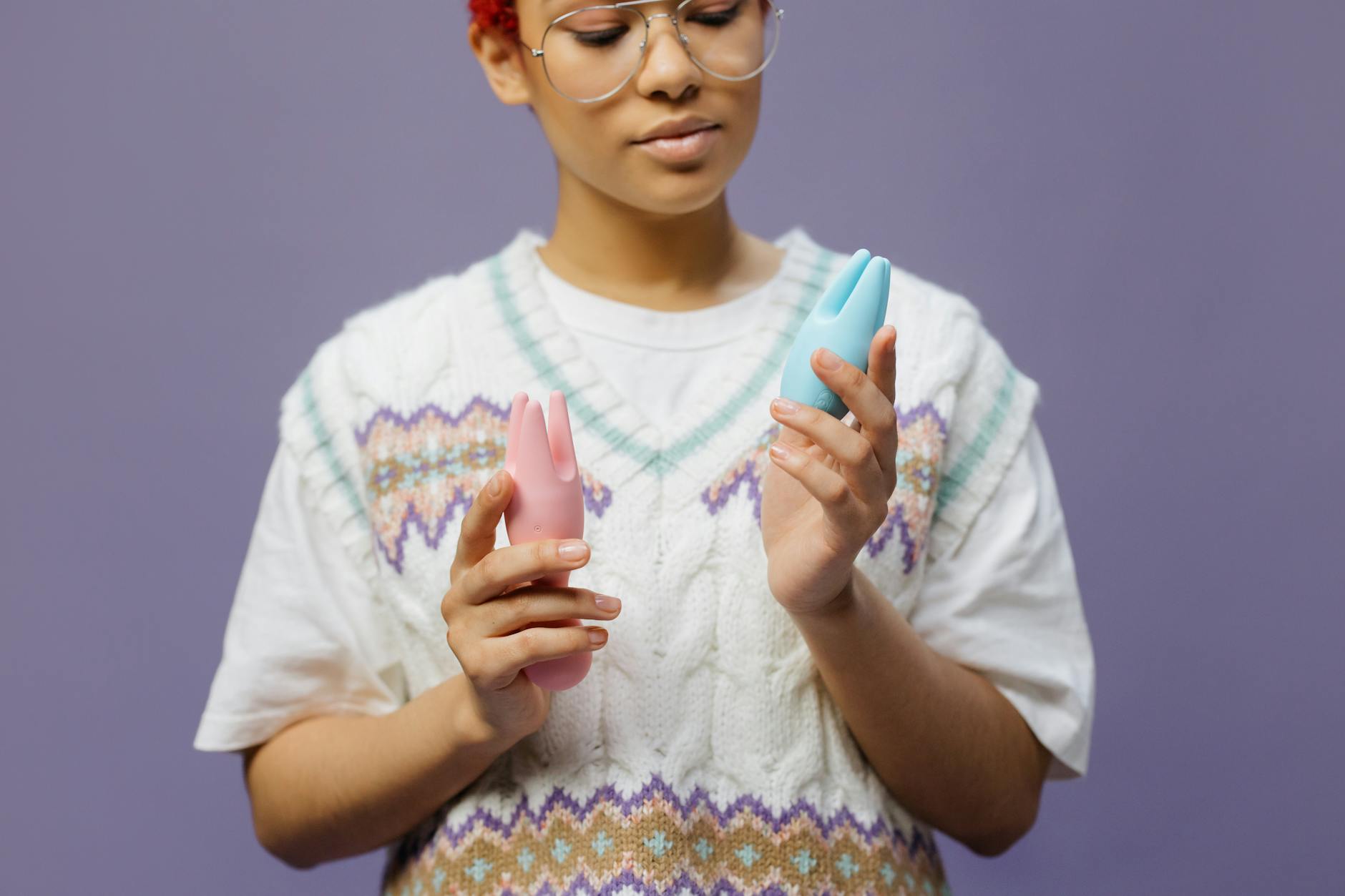
Here's what your partner is actually afraid of
It's not the toy. It's the story they're telling themselves about what the toy means.
In my practice, I see this pattern constantly. One partner brings up wanting to introduce a lemon vibrator or another clitoral vibrator into their intimate life, and the other person hears: "You're not enough. I'm not satisfied. I want something else." That's not the conversation that's happening, but that's the conversation they're having in their head. Understanding that gap is where everything changes.
The hesitation isn't irrational. It's rooted in a real vulnerability. Your partner is worried about being replaced, being judged, or being told that their body or effort isn't enough. Those are legitimate fears, even if they're not based on what you actually mean.
The science doesn't back up the "replacement" narrative
Research on couples who introduce vibrators consistently finds the same thing: satisfaction with the partner actually increases. A 2019 study published in Sexual and Relationship Therapy found that couples who used vibrators together reported higher levels of sexual satisfaction and emotional intimacy than couples who didn't. The vibrator didn't create distance. It created conversation, shared exploration, and novelty in the relationship.
Here's the counterintuitive part. People worry that a toy will make partnered sex feel less necessary. The opposite happens. When someone experiences better orgasms during partnered sex (which often happens with clitoral toys like the Lem because they provide direct, consistent stimulation), they want more partnered sex, not less.
Your partner isn't being replaced. They're being enhanced.
Why this conversation fails (and how to restart it)
Most couples introduce a vibrator by either avoiding the conversation entirely (just showing up with one, which terrifies partners) or by framing it as a problem: "I need help coming." The second approach is accidentally insulting because it sounds like you're saying the problem is them.
Reframe it as addition, not substitution. Here's a language shift that works:
Instead of: "I want to use a vibrator because you can't make me come."
Try: "I want to explore something that would feel amazing for both of us. I think it could be a fun way for us to spend time together and discover new things about what I like."
The difference is subtle but critical. The first is about deficit. The second is about curiosity and connection.
Start the conversation outside the bedroom, in a moment when you're both relaxed. Not five minutes before sex. Not during a disagreement about intimacy. Saturday morning coffee, Sunday evening on the couch, somewhere neutral. Tell your partner you've been thinking about trying something new in your intimate life and you'd like to talk about it together.
Address the specific fears head on
Once you've opened the conversation, listen for what your partner is actually worried about. They might not say it directly. Listen for the subtext:
"Won't it make me feel inadequate?" This is asking whether they'll feel like they're failing. Reassure them directly. "I love how you touch me. This isn't about you being better or worse. It's about adding something that feels different and exciting for me. And I want you there with me."
"Will you prefer it to me?" This is asking whether they've become less necessary. Tell them the truth. A clitoral vibrator like a lemon vibrator delivers different sensations than fingers or a partner's body. Different doesn't mean better. It's like comparing a massage to a hug. One isn't replacing the other.
"Isn't this weird?" This is asking whether you'll seem strange to them. Normalize it. "Most couples use vibrators at some point. It's not weird. It's pretty standard."
You don't have to answer every fear in one conversation. But address the ones that come up. Don't steamroll them or dismiss them as silly. Those fears are real to your partner, even if they don't match reality.
The introduction itself matters more than the toy
Let's say your partner has agreed to try this. You've had the conversation. Now comes the part that actually determines whether this works.
Introduce it together. Not in a way that puts pressure on them to perform or watch. In a way that makes them curious.
You could say: "I want to show you something I've been wanting to try. I'd like you there, but no pressure on you to do anything specific. I'm just excited to explore this with you in the room."
Then use the vibrator the way you would naturally. Let your partner watch. Let them see you experience pleasure. Most hesitation dissolves when someone realizes that introducing a toy isn't about performing or proving something. It's about genuine pleasure.
After, talk about it. Not in an evaluative way. "Did you like it?" is not a good question. Better: "What did you notice?" or "What did that feel like for you to watch?" or even "I loved that. I felt so relaxed with you there."
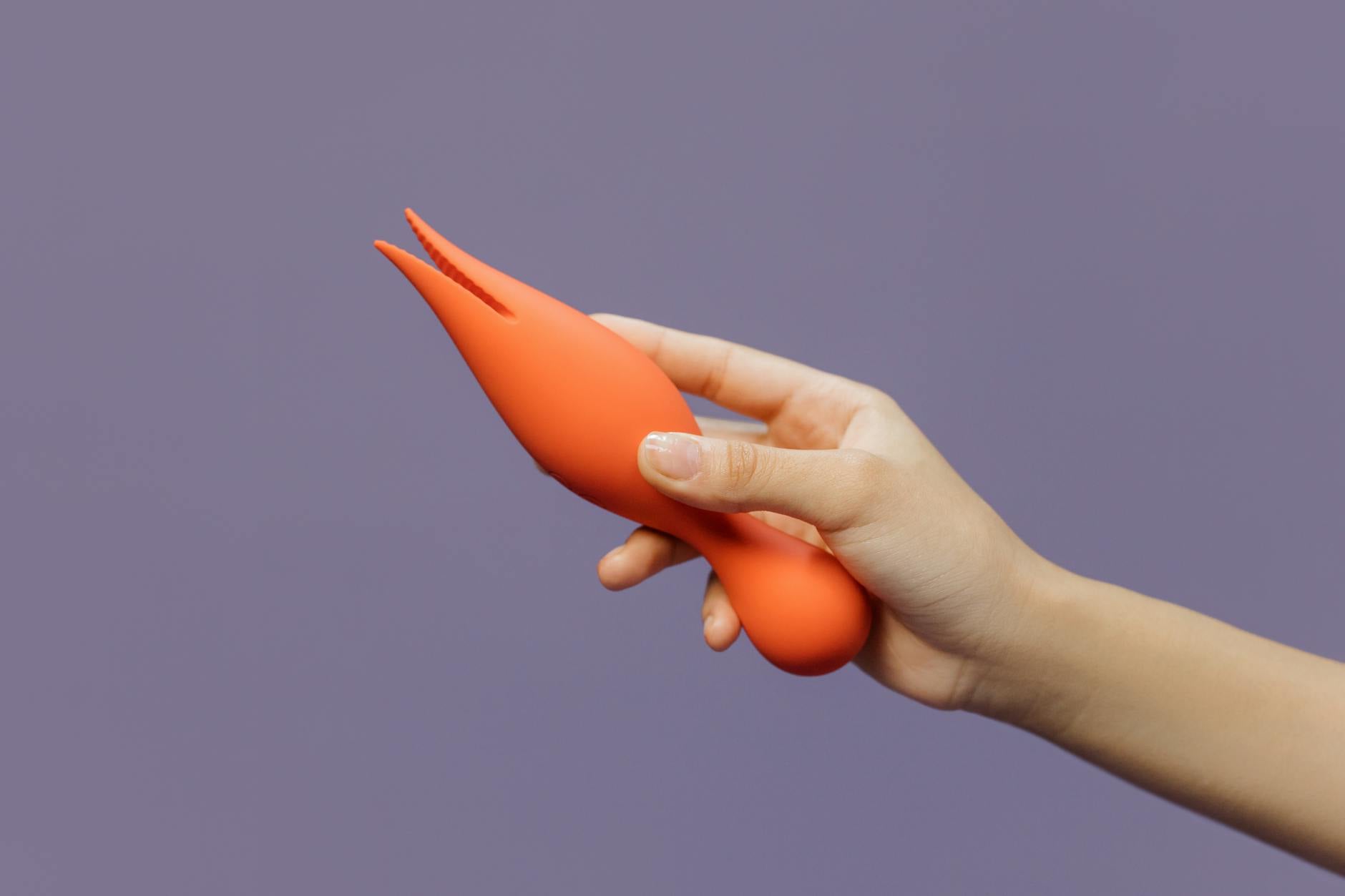
Photo by cottonbro studio on Pexels
The role-reversal conversation that changes everything
Here's something I do in my practice that shifts the dynamic. I ask the hesitant partner: "If you wanted to try something new, would you want me to say no? Or would you want me to be curious and supportive?"
Most people answer: supportive. Then I say: "That's what's happening here."
Sometimes your partner needs permission to want pleasure for you even if it initially makes them uncomfortable. They're not bad partners for feeling hesitant. But they are good partners if they move through that hesitation to support something that brings you joy.
Over time, partners often become more comfortable. Some even become enthusiastic. I've had couples tell me that introducing a clitoral vibrator into their intimate life actually reignited their sex life because it gave them something fun to do together, a conversation starter, a shared adventure.
When hesitation is actually something else
Occasionally, partner hesitation isn't about insecurity. It's about control. If your partner refuses to discuss it, becomes angry when you bring it up, or tells you they don't want you to use a toy alone or with them, that's a different conversation. That's about boundaries and autonomy in the relationship.
You deserve to explore your own pleasure. Full stop. A partner who refuses to discuss it or who forbids it isn't being protective. They're being controlling.
If you're in that situation, this isn't a toy problem. It's a relationship problem. When pain interrupts intimacy is often about physical barriers, but relationship barriers need different work. Consider talking to a couples therapist who can help you both understand what's underneath the resistance.
Building the bridge from hesitation to exploration
Move slowly. You don't have to use a lemon vibrator or any clitoral vibrator every time you have sex. Introduce it occasionally. Let your partner get used to its presence and your pleasure with it. Gradually, the novelty wears off, and what remains is just another way you both enjoy intimacy together.
Some partners eventually want to be more involved. They might want to hold it, control the intensity, or watch more closely. Some are fine staying in the background. Both are perfectly fine. The goal isn't for your partner to love the toy. The goal is for them to be okay with you loving it and for them to feel secure in the relationship.
Most hesitation comes from a place of love, actually. Your partner cares about being important to you. That's not a bad thing. It just needs to be redirected into supporting your pleasure, not controlling it.
FAQ: Partner hesitation and clitoral vibrators
Why does my partner think a vibrator means they're not enough?
Because they're comparing themselves to the toy instead of understanding that a toy isn't an alternative to them. It's an addition. Your partner's hands, body, and presence offer something no toy can: emotional connection and reciprocal pleasure. A vibrator offers something your partner's body can't: a specific type of consistent stimulation. These aren't in competition. They're complementary.
Will using a clitoral vibrator make me less sensitive to my partner's touch?
No. The science actually goes the other direction. Regular vibrator use tends to enhance sensitivity overall, not dull it. You might experience different sensations more acutely. If anything, you'll be more aware of the differences between toy stimulation and partner touch, which often makes both feel better.
How long should I wait before bringing up a vibrator with my partner?
There's no magic timeline. But bring it up before you buy one. Surprise toys often create defensiveness instead of curiosity. Have the conversation when you're both calm and not in the middle of sex. Give your partner time to process before expecting them to be on board. Some people need a few days. Some need a few weeks. That's normal.
What if my partner agrees but I can sense they're uncomfortable during sex?
Pause. Check in. "I'm noticing you seem tense. Do you want to keep going or talk about something?" Your partner might need more reassurance, or they might need to take a break and try again later. Don't push through their discomfort. The whole point is to bring pleasure into the relationship, not to force your partner into something that makes them anxious.
Can introducing a vibrator actually improve our sex life?
Yes. Countless couples find that introducing a toy opens communication about pleasure, desire, and what actually works for each person's body. When partners see each other experiencing genuine pleasure, it often creates more intimacy and desire in the relationship overall. The vibrator is just the vehicle for that conversation.
What if my partner never fully accepts the vibrator?
That's worth examining. If your partner won't allow you to use a toy alone or with them, and they won't discuss why, that's a boundary issue. You get to use a vibrator. You get to explore your own pleasure. A partner who respects you will eventually accept this, even if they're not enthusiastic about it. If they can't move past the resistance after genuine conversation, couples therapy might help unpack what's really going on.
Moving forward together
Partner hesitation about clitoral vibrators is one of the most common roadblocks couples face around pleasure. It feels like a toy problem, but it's usually a communication problem. When you separate the tool from the real conversation (which is about desire, security, and being loved), everything shifts.
Your partner's hesitation doesn't mean you shouldn't explore. It means you should explore thoughtfully, bringing them along with genuine reassurance, not dismissal. Most of the time, that works. Hesitation fades when someone realizes that sharing pleasure doesn't diminish them. It actually connects you both to something deeper.
If you're navigating this with your partner and need support, reach out. We're here to help you both figure it out.