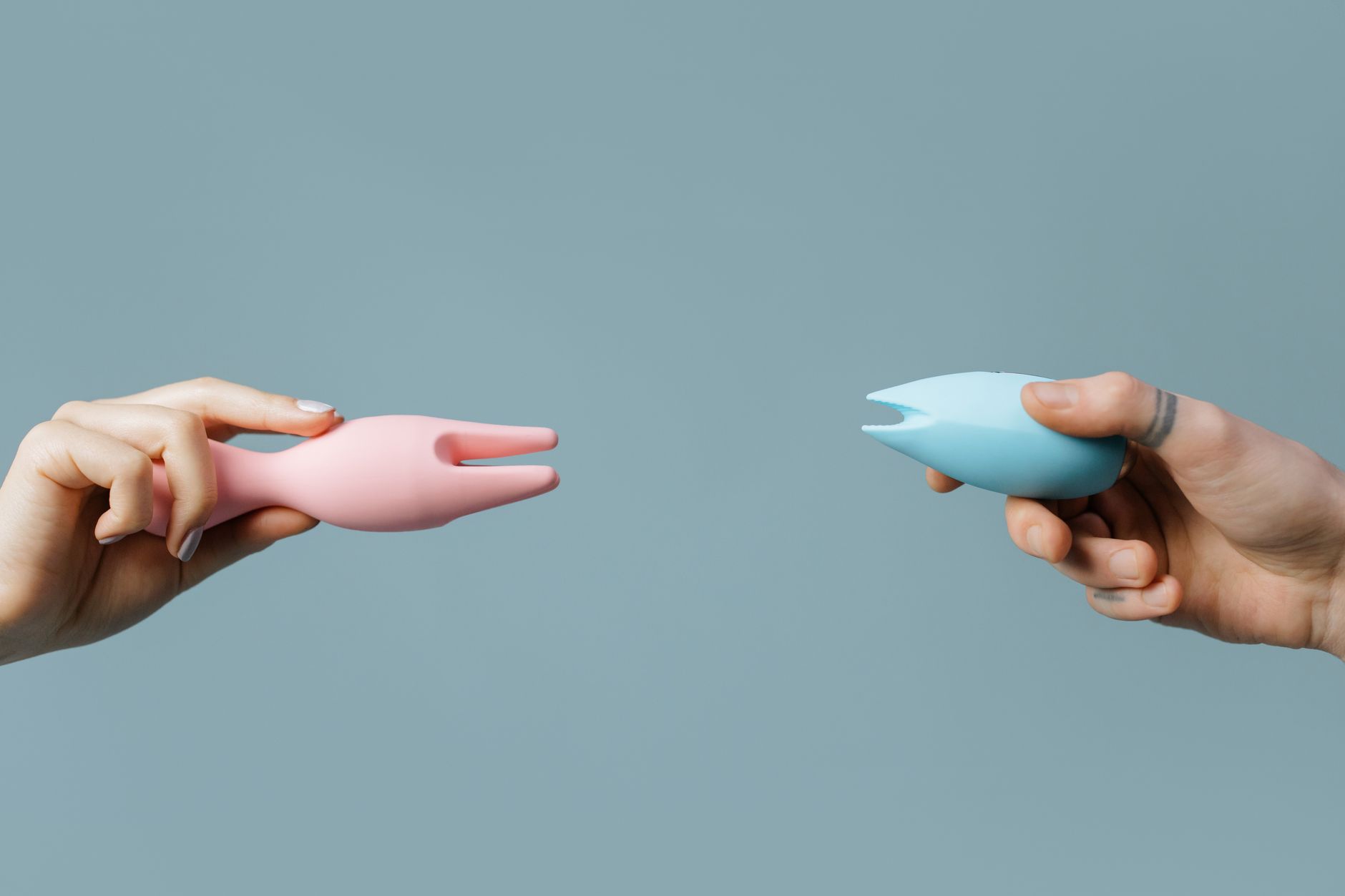
Let's talk about what's actually happening
Your orgasms feel different. Flatter. Less all-consuming. You used to think about them for days. Now they're pleasant but underwhelming. The worst part? You're not sure if something's broken or if you're just getting old. Neither is true.
The intensity shift after 40 is real and physiological. It's also almost always reversible. Here's what you need to know.
The hormonal and vascular changes that flatten orgasm intensity
Orgasms require three things: nerve sensitivity, blood flow, and muscular engagement. After 40, all three shift.
Estrogen levels drop gradually (not dramatically, unless you're in menopause, but the decline starts in your late 30s). Thinner vaginal and clitoral tissue means less vascular engorgement. Less engorgement means less of that full, pressurized sensation that makes an orgasm feel volcanic.
Your pelvic floor muscles also change. They don't contract as forcefully without consistent estrogen support. That muscular squeeze that makes an orgasm ripple through your body? It's less pronounced. Not gone. Just quieter.
Blood flow to the clitoris slows down too. Not because anything is wrong with your cardiovascular system necessarily, but because the specific arteries that feed the clitoris are sensitive to hormone levels. Less estrogen circulating means less blood reaching the tissue at the moment of climax. Fewer contractions, less sensation, shorter duration.
Here's what isn't changing: your capacity for pleasure. Your brain's reward pathways. Your ability to experience satisfaction. The neurological hardware for orgasm is intact. The wiring is just getting a different voltage.
Why lemon clitoral vibrators work better than they used to
The beauty of lemon vibrators, especially air-suction models like the Lem, is that they don't rely on the same physiological conditions as penetration or traditional vibration.
Suction stimulates the clitoris through the tissues, not just the surface. This means you're reaching nerve endings deeper in the structure. When tissue is thinner and blood flow is lighter, suction bypasses both problems. It creates a sustained vacuum that draws tissue into the device, intensifying sensation regardless of baseline blood flow.
Pattern variation matters too. Many people after 40 find that a steady vibration feels less effective than it used to. Your nervous system has adapted. But switching patterns keeps the tissue from habituating. The Lem's rotation and pulsing modes let you change stimulus mid-session, which resets sensitivity and deepens the orgasm.
Timing also shifts. Warm-up takes longer now. Blood flow is slower to build. A lemon clitoral vibrator condenses that buildup time. You're not waiting 20 minutes for natural arousal. You're getting to intensity faster, and staying there longer, because the device is doing the hemodynamic work your body used to do automatically.
The warm-up protocol that makes intensity return
Forgetting to extend foreplay is the biggest mistake I see. You expect your body to respond the way it did at 25. It won't. Not without more runway.
Start 10 minutes earlier than you think you need to. This isn't extra time for arousal to build naturally. This is time for blood flow to gradually increase, for tissue to begin thickening, for your nervous system to shift into parasympathetic mode. Without it, you're asking your body to go from baseline to orgasm, which feels rushed and incomplete.
Then introduce the lemon vibrator. Start at the lowest setting. Spend at least 5 minutes there, even if it feels slow. Your body is learning to recognize the sensation again. Direct clitoral contact with a new device can feel jarring if you go too hard too fast.
Move to mid-range patterns around the 7-minute mark. This is where intensity builds. Stay here for another 5-8 minutes. Don't rush to climax. The goal is to train your body to reach a high plateau before orgasm, so when it happens, it has somewhere to go.
The adjustment that fixes weak orgasms immediately
One thing changes everything: lubrication. Not because you're dry necessarily, but because friction changes tissue thickness perception.
Water-based lube on the external tissue around the clitoris creates a smooth glide that amplifies sensation. When tissue is thinner, bare friction can actually feel irritating rather than pleasurable. Add lube, and that same friction becomes a gentle amplification. The vibrator's energy travels through the tissue more efficiently.
Silicone-based lube feels richer, but it can degrade silicone toys. Stick with water-based if you're using lemon adult toys. One application at the start, then add a bit more if sensation flattens mid-session.
The pelvic floor secret no one teaches
Your pelvic floor tightens with age and tension. Paradoxically, that makes orgasms feel weaker, not stronger.
A tight pelvic floor can't contract explosively during climax. It's like trying to jump when your legs are already locked. You need flexibility before you can have power.
Spend 2-3 minutes before using a lemon vibrator learning to relax your pelvic floor completely. Breathe into your belly, not your chest. Imagine the pelvic floor softening, widening, dropping. Many people find this easier in a squat or on hands and knees. Do this consistently, and you'll notice orgasms return to their former intensity within 2-3 weeks.
Solo versus partnered: why the context matters
If you're exploring alone, you have complete control. You can experiment with angles, patterns, and timing without negotiating anyone else's preferences. This is where orgasm intensity often returns fastest. You're not managing arousal in relation to a partner. You're just chasing sensation.
If you're with a partner, the dynamic changes. How to Use a Lemon Vibrator When Your Partner Is Hesitant About Clitoral Toys addresses the introduction piece, but the physics matter too. Using a lemon clitoral vibrator during partnered sex can feel different if you're worried about your partner's reaction or if you're concerned about "being too needy." That cognitive load suppresses arousal.
If your partner is involved, set a boundary upfront: the vibrator stays. It's not a reflection on their skills. It's a physiological adaptation to aging tissue. Many couples find that adding lemon sexual toys actually deepens intimacy because the pressure lifts. Everyone relaxes.
When intensity still doesn't return
If you've tried the warm-up protocol, you're using lube, you've relaxed your pelvic floor, and orgasms still feel flat after 4-6 weeks, a couple of other things are worth exploring.
Medications can suppress arousal intensity. Antidepressants, blood pressure meds, and antihistamines all can dull sensation. Talk to your doctor about whether timing or dosage adjustments might help. Don't stop taking medication, but there's often a workaround.
Stress and mental load flatten orgasm more after 40 than at any other age. You've got more to think about. Your nervous system is more alert to problems. Orgasm requires the opposite: a brain that's quiet and focused. That takes practice. Meditation, yoga, or even 10 minutes of breath work before solo sessions can unlock intensity that lemon vibrators alone won't restore.
If you're still in perimenopause or early menopause, hormonal fluctuations can make intensity inconsistent. Some days it's there, some days it's not. That's normal. The vibrator helps stabilize the experience, but talking to a menopause-informed GP about whether hormone therapy might help is worth considering.
The surprising upside
Here's what most people don't expect: orgasms after 40, once you rebuild their intensity, often feel more psychologically satisfying than they did at 25. You're not having 10 of them. You're having 1 or 2 that actually matter.
You know your body. You know what you want. You're not performing for anyone. That shift from quantity to quality is often where the deepest pleasure lives.
Frequently asked questions
Why do orgasms feel weaker after age 40?
Estrogen naturally declines starting in your late 30s, thinning clitoral and vaginal tissue. This reduces blood flow engorgement during arousal, which makes the muscular contractions of orgasm feel less intense. Additionally, pelvic floor muscles lose tone without consistent estrogen support, and blood vessels that feed the clitoris become less responsive. These are normal, age-related changes. They don't mean something is broken. They mean your body needs slightly different stimulation to reach the same intensity.
Can lemon vibrators really restore orgasm intensity?
Yes, but with one caveat: they work best when paired with the physiological adjustments that aging tissue requires. Suction-based vibrators like the Lem bypass some of the blood flow challenges because they stimulate deeper nerve tissue, not just the surface. But you still need longer warm-up, lube, pelvic floor relaxation, and mental focus. The vibrator is a tool, not a magic fix. Used correctly, most people notice a significant return to intensity within 3-4 weeks.
Is it normal for orgasms to feel different between partners and solo sessions?
Completely normal. Partner dynamics introduce psychological elements. If you're worried about frequency expectations, partner reaction, or judgment, that cognitive load suppresses arousal and flattens orgasm. Solo exploration is where most people rediscover intensity first because there's zero performance pressure. Once you've rebuilt the sensation alone, bringing it into partnered sex becomes easier.
How long should warm-up take now?
Plan for 15-20 minutes minimum from foreplay start to penetration or vibrator introduction. This isn't indulgence. It's biology. Your vascular system needs time to shunt blood to the clitoris and surrounding tissue. Skipping this step is why many people feel like they've "lost" intensity. They haven't. They're just not giving their body the runway it needs.
Does medication affect orgasm intensity after 40?
Absolutely. Antidepressants, antihistamines, blood pressure medications, and some birth controls can all suppress arousal and dull climax sensation. The good news is that timing adjustments, dose changes, or switching medications sometimes help. Always talk to your prescriber. Never stop a medication on your own. But this conversation is worth having if intensity is genuinely gone.
What's the difference between using a lemon clitoral vibrator alone versus with a partner?
Solo sessions give you complete autonomy over pattern, speed, and timing. You can explore without managing anyone else's needs. With a partner, the vibrator can feel vulnerable if your partner hasn't been prepared. Have the conversation upfront: explain that this is about physiology, not performance. Many couples find that adding a lemon vibrator actually deepens intimacy because the pressure lifts and everyone relaxes into the moment.
What comes next
Orgasm intensity doesn't fade after 40. It transforms. Your body needs more deliberate input, longer warm-up, and better tools. That's not weakness. That's wisdom. You know what matters. You've learned how to ask for it.
If you're ready to rebuild sensation and intensity, start with the warm-up protocol. Add lube. Relax your pelvic floor. Give yourself 4-6 weeks. Most people notice a dramatic shift in intensity and satisfaction within that window.
Your best orgasms might not be behind you. They might be right ahead, once you give your body what it actually needs now.