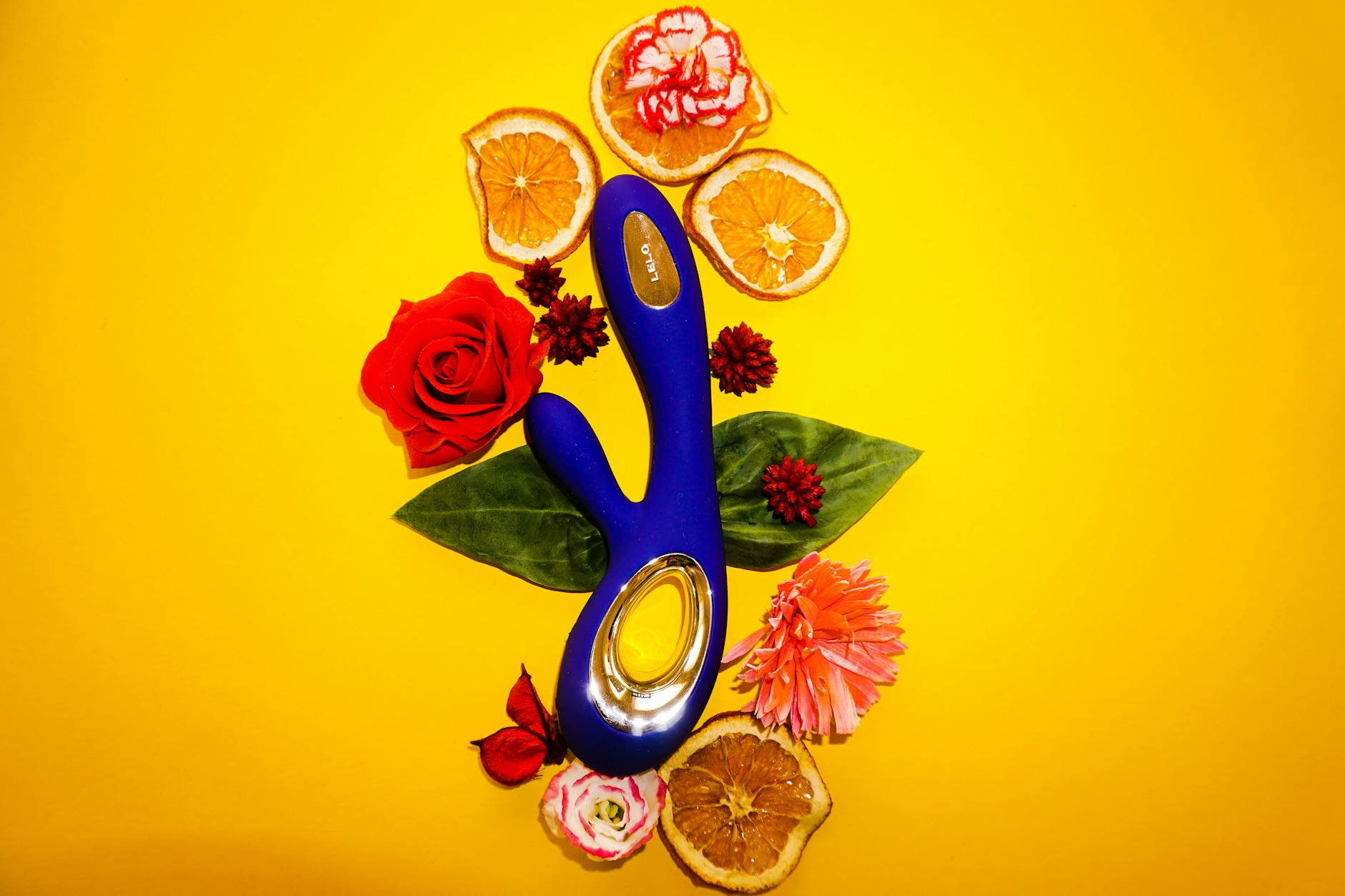
Why Lemon Vibrators Work Better for Post-Menopause Bodies
The honest start
Menopause doesn't end pleasure. But it does change how your body responds to stimulation. Estrogen drops, tissue thins, and your arousal timeline shifts. Most people grab whatever toy worked before and wonder why it now feels either too intense or weirdly numb. That's not a personal problem. That's a mismatch between your body's new physiology and the tool you're using.
I work with dozens of post-menopausal clients each year who've abandoned their old toys thinking they're broken. They're not. They just need a different approach.
What actually changes in post-menopause tissue
Estrogen is the infrastructure of pleasure. It keeps tissue thick, elastic, and well-supplied with blood flow. When it drops (sometimes sharply), the clitoris and surrounding vulvar tissue thin. The vaginal wall loses some of its cushioning. The pelvic floor gets less structural support. These aren't failures. They're physical shifts that require information, not shame.
Here's what gets misunderstood: this change is not permanent damage. It's not a downward spiral. It's a recalibration. The nerve endings in your clitoris don't disappear. Your ability to have orgasms doesn't vanish. What changes is sensitivity to certain types of stimulation, particularly direct friction on thinner tissue.
Traditional vibrators (the kind with rapid, high-frequency buzz) were designed for thick, well-lubricated tissue with sustained estrogen support. Post-menopause, they can feel like holding a dental drill against sensitive nerves. Not fun.
Why suction-based lemon vibrators work differently
Lemon clitoral vibrators use air-pulse suction technology instead of traditional vibration. They create a gentle, rhythmic pressure wave that envelops the clitoris rather than hammering it. Think of it as a kiss, not a knock.
This matters more at menopause for three reasons.
1. Suction doesn't require direct pressure. The stimulation happens through gentle suction patterns, not friction. For thinned tissue, that's vastly less irritating while still delivering intense sensation. You're engaging the same nerve endings, just with a completely different mechanical approach.
2. Suction adjusts naturally to body changes. The sealed suction cup creates pressure fluctuation that works with your arousal state, not against it. As you warm up, the tissue responds slightly differently, and the suction adapts. Buzz-based toys don't adapt. They just keep buzzing at the same intensity.
3. Lemon vibrators feel less harsh on sensitive tissue. Post-menopausal clitoral tissue is often more sensitive to rough contact, but that sensitivity isn't weakness. It means your nerves are more responsive to the right stimulus. Suction-based tools leverage that responsiveness without the irritation that comes from high-speed friction.
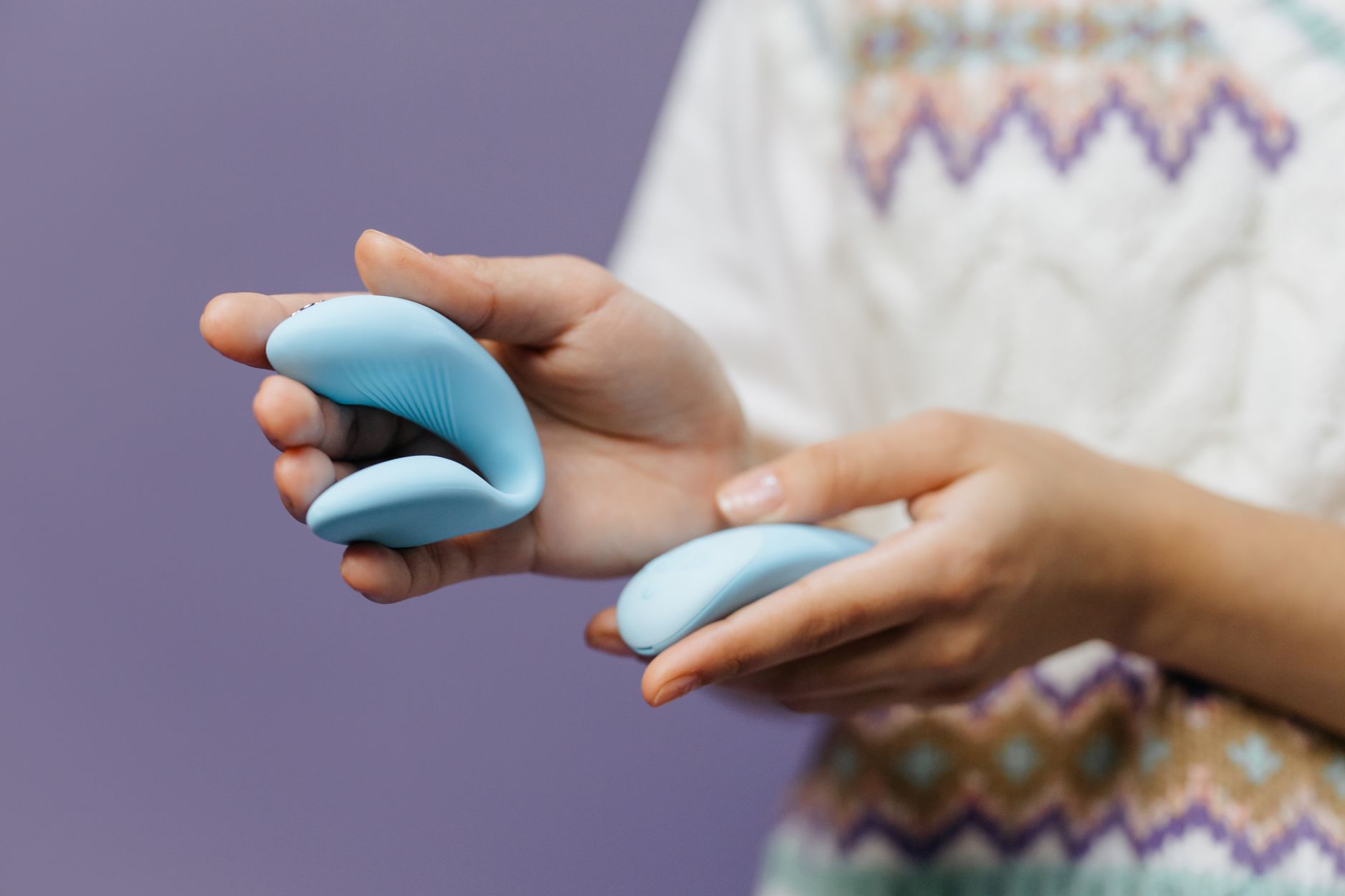
Photo by cottonbro studio on Pexels
The arousal timeline actually gets better
One of the trickier post-menopausal shifts is that arousal takes longer to build. What used to take five minutes now takes 15. People panic about this, assuming it's another loss. But slower arousal, when you have the right tool, often leads to deeper, more intense sensation.
With a lemon sucker style vibrator, the longer warm-up window becomes an advantage. You're not racing the clock to reach peak arousal before sensation drops off. You're building gradually, letting the suction patterns intensify as your body responds. Many of my clients report that their most satisfying orgasms came after they stopped treating the longer timeline as a problem and started using it as part of the experience.
Lubricant matters more at this stage, and that's not a compromise. Water-based lube with suction-based stimulation creates a more consistent pressure seal, which amplifies sensation. It's not that you need lube because you're broken. You're using lube because it makes the tool work better. That's a physics upgrade, not a medical necessity.
Comfort and intensity aren't the same thing
Here's where most people get confused. Post-menopause, you might need less intense vibration but more sustained stimulation. A lem vibrator hits that sweet spot perfectly. Lower intensity settings don't mean less pleasure. They mean pleasure that doesn't start with shock.
I worked with a client who'd been using high-intensity buzz vibrators for 20 years. At 54, after menopause, they felt like torture. She switched to a lemon clitoral vibrator on pattern 2 and reported orgasms that were more satisfying than anything she'd experienced before. Pattern 2. That's intensity level two out of ten. But with suction technology, lower numbers don't mean weak. They mean targeted.
This is crucial if you're returning to partnered pleasure after years apart. When a partner is involved, having a tool that works comfortably at lower intensity settings means you're not choosing between "enjoyable for me" and "lets them participate." You get both.
The pelvic floor connection
Post-menopause, the pelvic floor often tightens as a protective response to changing tissue. Less estrogen means less pelvic floor elasticity. This creates a frustrating loop where tension makes sensation harder, so you try harder, which creates more tension.
Lemon vibrators, particularly with their gentler suction approach, help break that cycle. The stimulation pattern teaches your nervous system that this sensation is safe and pleasurable, not something to brace against. Over weeks of consistent use, many clients find their pelvic floor naturally relaxes because the tool isn't triggering a protective clench.
This is different from traditional vibrators, which often speed up the clench response in tightened post-menopausal tissue. It's not that one toy is objectively better. It's that suction technology plays better with this specific physiological state.
Hormones, pleasure, and partnership
If you're in a long-term relationship, post-menopause can actually be the moment when pleasure deepens. The stakes are lower. Performance pressure lifts. Pregnancy concerns evaporate. You finally have permission to prioritize sensation over everything else.
Using a lemon sucker vibrator solo first is the move. Learn what your post-menopausal body responds to without the added complexity of someone watching. Then, if partnership is part of your life, introduce it together. The tool becomes a conversation starter instead of a surprise, and suddenly you're rebuilding intimacy on new terms. That's not compromise. That's evolution.
For couples navigating this transition, how to use a lemon vibrator with a partner without feeling awkward is worth exploring in depth. The mechanics change. The conversation changes. But the outcome often deepens.
Tissue health and consistency matter
One thing people don't talk about enough: consistent stimulation post-menopause actually maintains tissue health. When estrogen drops, blood flow to genital tissue decreases. Regular stimulation reverses this. It's literally preventive medicine for maintaining sensation and flexibility long-term.
Lemon vibrators, because they're comfortable enough for regular use, help with this consistency. A tool that hurts every time you use it becomes something you avoid. A tool that feels good becomes something you reach for. The difference between using a toy twice a month and twice a week is massive for tissue maintenance.
This is especially true if you're managing early stages of genitourinary syndrome of menopause (GSM). Stimulation combined with a topical estrogen cream creates a one-two punch that maintains tissue resilience far better than hormone therapy alone.
When sensitivity doesn't mean weakness
Honestly, post-menopausal tissue can feel more sensitive because it actually is more sensitive. That's not a problem to overcome. That's an asset to work with. Thinner tissue has more direct access to nerve endings. The right stimulation pattern becomes more potent, not less.
With lemon clitoral vibrators, that sensitivity becomes a superpower. You're not chasing intensity. You're chasing precision. Many post-menopausal clients who switch from traditional vibrators report that they need fewer minutes on the toy to reach orgasm because the sensitivity actually amplifies response. Again, that's not loss. That's efficiency.
I had a client tell me that for the first time in 30 years of using vibrators, she could feel distinct patterns instead of just blur. That's the shift. Post-menopause isn't about accepting less sensation. It's about learning to feel differently.
The science of suction versus buzz
Neural firing patterns differ between suction and traditional vibration. Buzz-based stimulation activates rapid-fire nerve endings through friction. Suction-based stimulation activates them through pressure waves that engage deeper nerve structures. For post-menopausal tissue, which is often more protective and less elastic, suction doesn't trigger defensive tension the same way friction does.
This is why many post-menopausal clients describe suction-based stimulation as feeling "easier" even when intensity is equivalent. Your nervous system isn't being triggered into a protective response. Instead, it's being asked to receive pleasure, which is a completely different neurological conversation.
Making the switch practical
If you've been using traditional vibrators and you're considering a lemon vibrator, here's how: start with pattern 1 or 2. Not because that's all you're capable of feeling, but because lower patterns with suction technology often feel more intense than high patterns with buzz. Give yourself three to five uses before expecting to know what you like. Your body needs to recalibrate how to receive this stimulation.
Always use water-based lubricant. It's not optional at this stage. It makes the suction seal consistent and sensation more even. Silicone-based lubes damage silicone toys, so stick with water-based.
Budget time. Post-menopause arousal takes longer. If you're used to a five-minute experience, expect 15 to 25. That longer timeline, with the right toy, often builds sensation more intensely than rushing ever did.
FAQ: Post-Menopause and Lemon Vibrators
Why does my lemon vibrator feel stronger than my old buzz vibrator?
Suction-based technology engages nerve endings through pressure patterns rather than rapid friction. For post-menopausal tissue, this often feels more intense even at lower settings because the sensation is delivered through a different neural pathway that's less defensive and more responsive.
Can I use my lemon vibrator if I have genitourinary syndrome of menopause?
Yes, and it's often recommended. Consistent stimulation improves blood flow and tissue health. However, if you have pain or severe dryness, start with topical estrogen cream first and check with a menopause-informed provider. Once tissue begins responding, gentle suction-based stimulation accelerates improvement.
Is it normal for post-menopause arousal to take longer?
Completely normal. Estrogen supports the physical systems that enable quick arousal. When it drops, that process takes longer. This isn't a permanent loss. It's a recalibration that, when you work with it instead of against it, often leads to more satisfying sensation overall.
Should I use lube with a lemon clitoral vibrator?
Always. Water-based lubricant isn't optional post-menopause. It improves the suction seal, increases sensation consistency, and protects tissue from irritation. This isn't a workaround. It's how the tool is designed to work best.
Can lemon vibrators help rebuild pleasure after years without sexual activity?
Yes. How to use a lemon vibrator after years without penetrative sex goes deeper into this, but the short answer is that suction-based stimulation is gentler on tissue that hasn't been regularly aroused. The tool can be part of a gradual reawakening process rather than a shock to the system.
If traditional vibrators now feel too intense, does that mean I've lost sensation?
No. You've changed sensation. Post-menopausal tissue is often more sensitive, not less. Traditional buzz-based tools can feel harsh on more sensitive tissue. Suction-based technology is designed to match this new sensitivity in a way that amplifies pleasure rather than creates irritation.
The summary
Post-menopause isn't a deadline for pleasure. It's a plot twist. Your body's architecture changes. The tools that worked before need to change too. Lemon vibrators, with their suction-based approach, match post-menopausal physiology in ways traditional toys often don't. Lower intensity settings still deliver profound sensation. Longer arousal timelines build deeper responses. Tissue sensitivity becomes an asset instead of a problem.
The best tool isn't about nostalgia. It's about what works right now, for the body you have today. If you're navigating post-menopause and your old toys aren't working, explore how lemon vibrators maintain sensitivity during hormonal transitions for more detailed guidance. Your pleasure deserves tools designed for this chapter of your life, not the last one.
Ready to try a tool built for post-menopausal bodies? Get in touch and we'll help you find your match.